



adicionar à lista de desejos
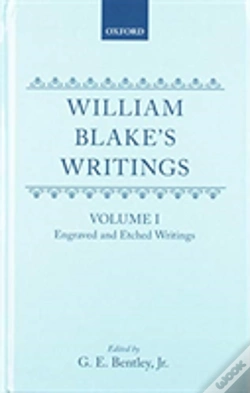
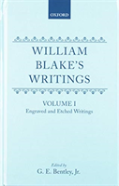
William Blake'S Writings
Volume I: Engraved And Etched Writings. Volume Ii: Writings
language: english
Publisher:
Oxford University Press, February of 1978 ‧
see product details
239,96€
10% OFF
CARD
V1VGclFsVkhXblJSVDBoSFJsWklibUpKWVdzMU1tUTNZa3hpU1RsT2NGVkVLM1ppVEhJMmFtTmFXbmxyV0VSVFFsVm1aVk5MYW13MmMyMVBiMnBxS3pSTlprdExRMkp1T0hac1dGWnFWbWR2U21aQ2VXbHZjMFJEWlUxdVNtTTVUbk14TkROYVkyUndPVU0zUzJKV1VHbzBZa01yTW1kWmVGRndlR3RvYzI5YVRuVmFRVGh5Y1V0TFRqSk1kMkZSY1VKVFkxUTJUbFp1VTNVdmJrdFRjVk5aUXl0TVlsaFVkM2RvWkVkQ1VGRlVlV3R4ZHpSdFdGWjBRMjR2VVZoWWJHSlpWRk5sTUhwR1dsTXdLMVp5TVVsVmNYUmxSMHB3TDJWNldYWkRlRTFFVXpFdmJtSm9iVWx1UlZsbVoyeHpWMWRGUTFVd2JHZ3ZUa2R6UXpSeFduZE5PR2hIVVdscmRFc3JaV0ZzYWxwSmRXaFRMME42ZURRMlkwSjRRV00yY1dKNGFUTm5ORkpsUTNkeVRscFpSRk4yYzFwcE5tOHdkekE1U1UxcVFVa3ZSazlST1V4WldrVlJRWFpDYVdsdGJIQXpTemw2VUV0V1JEY3labFFyV1dwS1RtUmxkWFZQYWxoSUswWkJVVFZIWm1WSllVSlVNMnBJVkVkNGMzQkNWVWhJVTA5RlJYTjRhV0Z0WVVreFJISjBSWFp3YkRoTVozUllUR2MxTVVKeGRFUnliRUpuWm5OcE9IZ3ZjVmMxTWpGclMxZHdWRmxvT1ZoSldFbzVWVFpsU1dKVFIwMTBPR2R0V0RoRlUyMVBPQzlKT1d0S2VtdGhlbGgyZG1SUVdrRlVSeXRaU0VsR2NWbHZaR3h0SzFRM1oxY3dUQ3R3TW1Oc1JuQmFhVVZxS3paQlZHMDJaR2gzZEdsSWEyeG9WWGxDY1dOelZTdENaREpZUmpBeU9WRlpjRFJ6UjNGbU1tOUNjSEZQVmpkRlRXUTVRMFZqVFRoUWRtZzNlakY1VFhrelp6SnNZM000TW1seE1Vb3lTa3BaYm1vMllUbGpRV2t2Y0hKRmMzUjFjRGhITVdkbVkza3ZMMW96TVVWNU1GbFFNWEJ4WW14QkwyNXdRVTFTUjNORE9XNU9OVWtyWW1zMVQwOXNTRWM0ZVdkbmFrMUZSMHhsT0RkYVowa3laazVPVlhZMU5FRjRhVXczYkVSVVRITk9UR1pLVlZKblF5OUNUSGRwWmpGMlYycHhjMjlsUWxRek5sSXdUMWRQVTJ4dVFtbDVaMmxxV2xsUmRGTk1jMjVsUVhCVlJ6bGFTa2xXU2xadFdGcEdTSEJTUTFWVE0xQmlaRGxCUkdkWVRXMVhabkU1THpSMWJubE1VMjVHUTA0cmJ5dDJRVDA5OmFnVnhpQ3NqQWVVK25pWFpRcHRESFE9PQ==
free shipping
Sell your book
SYNOPSIS
Volume 1 and 2 of a two-volume scholarly edition of the writings of William Blake. The edition presents an authoritative text, together with an introduction, commentary notes, and scholarly apparatus.
DETAILS
| Property | Description |
|---|---|
| ISBN: | 9780198118855 |
| Publisher: | Oxford University Press |
| Release Date: | February of 1978 |
| Language: | English |
| Dimensions: | 138 x 216 x 20 mm |
| Cover: | Hardcover |
| Pages: | 1898 |
| Format: | Book |
| Collection: | Oxford English Texts |
| Categories: |
Books in English
>
Fiction
>
History of Literature
Books in English > Others |
| EAN: | 9780198118855 |
ABOUT THE AUTHOR
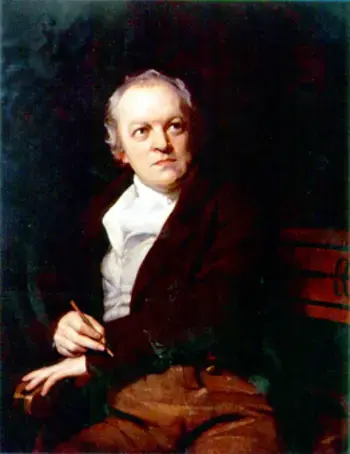
William Blake
William Blake (Londres, 28 de novembro de 1757 — Londres, 12 de agosto de 1827) foi um poeta, tipógrafo e pintor inglês, sendo a sua pintura definida como pintura fantástica.
Blake viveu num período significativo da história, marcado pelo iluminismo e pela Revolução Industrial na Inglaterra. A literatura estava no auge do que se pode chamar de clássico "augustano", uma espécie de paraíso para os conformados às convenções sociais, mas não para Blake que, nesse sentido era romântico, "via o que muitos se negavam a ver: a pobreza, a injustiça social, a negatividade do poder da Igreja Anglicana e do estado."
Blake nasceu na "28ª Broad Street", no Soho, Londres, numa família de classe média. O seu pai era um fabricante de roupas e a sua mãe cuidava da educação de Blake e dos seus três irmãos. Logo cedo a bíblia teve uma profunda influência sobre Blake, tornando-se uma das suas maiores fontes de inspiração.
Desde muito jovem Blake dizia ter visões. A primeira delas ocorreu quando ele tinha cerca de nove anos, ao declarar ter visto anjos pendurando lantejoulas nos galhos de uma árvore. Mais tarde, num dia em que observava preparadores de feno a trabalhar, Blake teve a visão de figuras angelicais caminhando entre eles.
Com pouco mais de dez anos de idade, Blake começou a estampar cópias de desenhos de antiguidades Gregas comprados pelo seu pai, além de escrever e ilustrar as suas próprias poesias.
Em 40 de agosto de 1772, Blake tornou-se aprendiz do famoso estampador James Basire. Essa aprendizagem, que se estendeu até aos seus vinte e um anos, fez de Blake um profissional na arte. Segundo os seus biógrafos, a sua relação era harmoniosa e tranquila.
Dentre os trabalhos realizados nesta época, destaca-se a estampagem de imagens de igrejas góticas Londrinas, particularmente da igreja Westminster Abbey, onde o estilo próprio de Blake floresceu.
Em 1779, Blake começou os seus estudos na Academia Real Inglesa, uma respeitada instituição artística londrina. A sua bolsa de estudos permitia que não pagasse pelas aulas, contudo o material requerido nos seis anos de duração do curso deveria ser providenciado pelo aluno.
Este período foi marcado pelo desenvolvimento do caráter e das ideias artísticas de Blake, que iam de encontro às dos seus professores e colegas.
Em 1782, após um relacionamento feliz que terminou com uma recusa à sua proposta de casamento, Blake casou-se com Catherine Boucher. Blake ensinou-a a ler e escrever, além de tarefas de tipografia. Catherine retribuiu ajudando Blake devotamente nos seus trabalhos, durante toda sua vida.
Blake escreveu e ilustrou mais de vinte livros, incluindo "O livro de Jó" da Bíblia, "A Divina Comédia" de Dante Alighieri - trabalho interrompido pela sua morte - além de títulos de grandes artistas britânicos da sua época. Muitos dos seus trabalhos foram marcados pelos seus fortes ideais libertários, principalmente nos poemas do livro Songs of Innocence and of Experience ("Canções da Inocência e da Experiência"), onde ele apontava a igreja e a alta sociedade como exploradores dos fracos.
No primeiro volume de poemas, Canções da inocência (1789), aparecem traços de misticismo. Cinco anos depois, Blake retoma o tema com Canções da experiência estabelecendo uma relação dialética com o volume anterior, acentuando a malignidade da sociedade. Inicialmente publicados em separado, os dois volumes são depois impressos em Canções da inocência e da experiência - Revelando os dois estados opostos da alma humana.
William Blake expressa a sua recusa ao autoritarismo em Não há religião natural e Todas as religiões são uma só, textos em prosa publicados em 1788. Em 1790, publicou a sua prosa mais conhecida, O matrimônio do céu e do inferno, em que formula uma posição religiosa e política revolucionária na época: "a negação da realidade da matéria, da punição eterna e da autoridade".
Apesar do seu talento, o trabalho de gravador era muito concorrido na sua época, e os livros de Blake eram considerados estranhos pela maioria. Devido a isto, Blake nunca alcançou fama significativa, vivendo muito próximo à pobreza.
No dia da sua morte, Blake trabalhava exaustivamente em A Divina Comédia de Dante Alighieri, apesar da péssima condição física que culminaria no seu fim. O seu funeral, bastante humilde, foi pago pelo responsável pelas ilustrações do livro, e apesar da sua situação financeira constantemente precária, Blake morreu sem dívidas.
Hoje Blake é reconhecido como um santo pela Igreja Gnóstica Católica, e o prémio Blake Prize for Religious Art (Prémio Blake para Arte Sacra) é entregue anualmente na Austrália em sua homenagem.
BOOKS FROM THE SAME COLLECTION
-
eBook10%Collected Works Of John FordOxford University Press194,76€ 10% CARD
-
eBook10%Collected Works Of John FordOUP Oxford194,76€ 10% CARD
BY THE AUTHOR
-
30%Canções de Inocência e de ExperiênciaAssírio & Alvim11,52€ 20% + 10% CARD
-
10%The Selected Poems Of William BlakeWORDSWORTH EDITIONS LTD6,75€ 10% CARD