






adicionar à lista de desejos

Trois Contes
language: french
Publisher:
LE LIVRE DE POCHE, December of 1972 ‧
see product details
3,89€
10% OFF
CARD
YjJWVVVYZEZlalJYWVZSclZXdE9OakpaVW1GeE1GVlNlRVJyUkRoQ2MzRm9VVGx1Vmsxb1ZWSTVhR1pyWW01emFsSnFWV3RxYmtSME1rY3ZSMmR4TjNoVlRIUXhhV2xtUjNKS1JUVkJNWE5DZUVwRlZIVnZWRXh5Yms5MU9VNW1XV3BaVDNsemNsSjRWMEZWUTJveFdVZDZhMFF5TkZwcVdITlJZMUJNUm1kbVowcE1hWFJ6ZGxkU1NGSTNTV2RrWVdGNFFubHZSamQyTDJobFRHdHVUbkpFZEhBMU9VOXJkVWhIUmpSc1RTOW9aRXh2Y25Zdk1XVmpjMHhyWVdsME9VcDJiblUxWmtWdFFqZEhRMjAyVm5OWVF6VjJMM1pQUlRVM1JHVmpSMU51ZGxOeFJIcFhlSFJTVjNCdlNuUnlaVzVZY21JcmRXMUpNalJLYlhadldHTk1Za3RMZG5sb2QzZEpiWFl6WlVSRVNtUnNaWHBFVGpSWFlVNHJNWGx4VG1VclJGZ3JiemhFV1hKdk1rRmlMMmROTURSRlMwUlZXbWRxVjJ0c1ZYWmtPVXQ2WkhSWVdtcEtSVmREVWtOamVIQm1NMGhYYWxSNk9EZFJkMjV3ZFdkNWQybHRlamxWTDAxU2VXcE5kRTEzYlhWRGQybHlSRmQzVEVkclVsTldlR3hyUXpWRE1Tc3lXbk5sT0dKemVFbHhORkZRYmxScEwycEdaVTltV0VGbVJFNUhWazB5YlRCVGFrOVNVakY0WldOd2RteDNhQzloVTNwdFZIWjBaRGROVkVoWU1Wb3pXV0o1UmtOUVpIRk1lRlZyVlRoRlpubDNSMFZUVEV0WkwzZERiMUZrTTBZclZtRmlibE5NTDJwSlowUlpXamRMYnpJd1V6ZEhWM3BWWTJ4alNsRlNOalp1Tm1SRWFEaEJaelp5WjNkSE5YSjROa3A2VDFORWFXcGxWMlZpU1V4NGNqZHlTemh1TWxGWVVYbHBTQ3RHU0c1NUszWkdPRlUxZUZOSmMxSnhjRVZGV1RoaGNYZFZURkJ2VmtaNlVWRm5VRGRSY0RWaVlVTmlaakZMVjNCbVltVjBTeXQxU2pNNEwwVXhURWxwVkhBMVlqbEljbEkwV1RaaGRtRmpiV0ZLVGxNMmQzcGlkaTlIVTNOU09XZHZkMjEwVDBwNldtWlBjblJZZWxkT01YRkdaMFZ1VUdoS2FWZHZlblF5V2pWdFJqSjVibU0wTVRWSmFtdEpPRlJGWm0xNFJ6VnlXV0ZMVldabE1YSkllWFJMTTJkdE5EVmlXa2h0YW5CMGJEUjFaV0ZGUFE9PToyTnEwYnhUTU9WRUdFWVdsSFpDL2tnPT0=
IN STOCK
-
SYNOPSIS
"Je me souviens d'avoir eu des battements de coeur, d'avoir ressenti un plaisir violent en contemplant un mur de l'Acropole, un mur tout nu (celui qui est à gauche quand on monte aux Propylées). Eh bien ! je me demande si un livre, indépendamment de ce qu'il dit, ne peut pas produire le même effet. Dans la précision des assemblages, la rareté des éléments, le poli de la surface, l'harmonie de l'ensemble, n'y a-t-il pas une vertu intrinsèque, une éspèce de force divine, quelque chose d'éternel comme un principe ?" Ce principe évoqué par Flaubert à l'adresse de son amie George Sand, c'est celui des Trois Contes qu'il publie en 1877, trois ans avant sa mort, et qui sont comme le testament littéraire où s'affirme son ultime conception de l'écriture. Récits éblouissants, limpides et cependant énigmatiques, Un coeur simple, La Légende de saint Julien l'Hospitalier et Hérodias nous conduisent de l'Occident moderne à l'Orient des débuts de notre ère : entre mots et images, ils nous parlent de l'amour et de la folie, du quotidien et du sacré, et de notre inexorable besoin d'eternité.
DETAILS
| Property | Description |
|---|---|
| ISBN: | 9782253011798 |
| Publisher: | LE LIVRE DE POCHE |
| Release Date: | December of 1972 |
| Language: | French |
| Dimensions: | 109 x 174 x 8 mm |
| Pages: | 191 |
| Format: | Book |
| Collection: | Les Classiques D'Aujourd'Hui |
| Categories: |
Books in French
>
Fiction
>
Romance
|
| EAN: | 9782253011798 |
ABOUT THE AUTHOR
Gustave Flaubert
Romancista francês, Gustave Flaubert nasceu a 12 de dezembro de 1821, em Rouen, França, e morreu a 8 de maio de 1880, em Croisset. Filho de um cirurgião que trabalhava no Hospital de Rouen, fez os estudos secundários na sua terra natal e matriculou-se em Direito na Sorbonne. Em 1844, os primeiros sintomas de doença nervosa que o haviam de afligir toda a vida levaram-no a abandonar o curso. O pai procurou contrariar as suas tendências literárias, mas depois da morte deste, em 1846, Flaubert regressa a Rouen e instala-se em Croisset, nos arredores da cidade. Herda do pai uma razoável fortuna que lhe possibilita entregar-se livremente à arte. É aqui que passa o resto da vida, salvo raras estadias em Paris e algumas viagens por França, Itália e Norte de África.
A sua incursão na literatura começou na escola e data de 1837, ao redigir num jornal de estudantes, Art et Progrès, e depois a revista Le Colibri. Formou uma estreita amizade com o jovem filósofo Alfred Le Poittevin, que o iria influenciar bastante com o seu pessimismo. De Novembro de 1849 a Abril de 1851, visitou com o amigo escritor Maxime du Camp a Grécia, a Itália, a Síria, a Turquia, o Egipto e a Palestina. Destas viagens surge o livro A bord de la Cange. Quando já tinha adiantada a redacção de La Tentation de Saint Antoine, interrompeu-a para escrever o seu grande romance Madame Bovary, que em 1857 foi publicado em folhetins na Revue de Paris. Esta obra, que lhe custou cinco anos de trabalho, iria também levá-lo à barra do tribunal, em 1858, por atentado contra os bons costumes. Apesar do escândalo, a crítica consagra a obra pela novidade, perfeição e equilíbrio, e as tendências realistas.
Em 1862, quatro anos depois da sua viagem a Cartago, Flaubert escreve Salammbô, revelando grandes faculdades criadoras. Em 1869 foi publicada l'Éducation Sentimentale, obra de análise psicológica que não foi bem apreciada e deixou o escritor muito desiludido. Só em 1874 é que publicaria la Tentation de saint Antoine, que foi proibida. Nesta obra trabalhou Flaubert aproximadamente trinta anos. Em 1877 publica um volume de contos, Trois Contes.
Com a morte de Gustave Flaubert foram publicados, Bouvard et Pécuchet (1881), obra inacabada, Par les champs et par les grèves (1885) e quatro volumes da Correspondance (1887-93). Além destes livros há ainda que mencionar um Dictionnaire des Idées Reçues, inacabado, e, a sua copiosíssima correspondência reunida após sucessivas edições em treze volumes (1933-59), que contém indicações preciosas sobre a sua teoria do romance. Embora Flaubert não caia no cientismo naturalista de Zola, para ele todos os factos são importantes. Observa, analisa e extrai dos materiais recolhidos uma síntese dos aspetos da vida que pretende tratar, mesmo quando para se evadir da realidade presente os situa no passado, como é o caso da obra Salammbô.
A obra de Flaubert representa o expoente máximo do romance realista em França e terá influenciado o escritor português Eça de Queirós.
BOOKS FROM THE SAME COLLECTION
-
10%Les PlaideursLE LIVRE DE POCHE4,30€ 10% CARD
-
10%Le Rouge Et Le NoirLE LIVRE DE POCHE6,04€ 10% CARD
BY THE AUTHOR
-
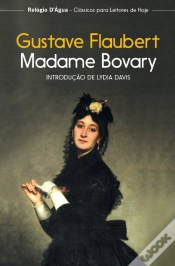
10%Madame BovaryRelógio D'Água13,00€ 10% CARD
-
10%Madame BovaryPorto Editora13,30€ 10% CARD