



adicionar à lista de desejos

Sudor
language: spanish
Publisher:
Alianza Editorial, October of 2009 ‧
see product details
13,20€
10% OFF
CARD
YUhRM2NtUXlLMHB0TjBnd1MzaFFWbGhvVkdkc00wMUVlalpzY2tGU1JUSlJhMHRMWkZOSVFVcHdjbVUwU25Nek5FaEJTbnBpYjBGaFpYbGpNRkJFZFdsNGNFSnpVREp3YVd4WVdXSnZlR1JDVlZWTVZVRlpVVVpJZW10UVYyMTZUVzlyYjFwM2JUVlpVREo0ZWxSS2JrTnJia0ZCTUc1dVYwbFdTbUZHWTBONlJWWmhTbVpGVjFCa05WbEtTR2N5ZG1GTVJrUk9VbE40T0hkUU9WZGxTMDB4TUM4elN5OTZNMjlyYkZwWE5GaHhkbXRSYjBSMlNFbzBWRlJGVTJ0elltOTBjemxKWlhackswaGtZVTR3TDFCVVIyRlBUVXQyYlcxRlpWVjBSQ3N6VGs5WVZHWkJZMUoxTUVReVNFVkVaemwwTjFGWlRHWjFkbWNySzJKMmFFRlFUMFkzZEZCRmEzTXZLMEYxVm1sT2QzQkdVblpxU0haaGJVTTVXbUZDVVdKeWQxUmlSbFI1ZGt0MU9TODBkSFkyWXpSTWNuUkNXR3RtU0haUU1sTllZa1JUUVNzcmFtZGpVVXd4VGxoSGJGcFZaell5ZVVKbVlUQktlVmRGWWpWck0xSXhhVkZKY0ZwbmREWjFlRWhLUmtGQk0wNXRiekZMYVZwT1FtWm1MMEpRYTNrelUyMW9lRmxDV1ZCWFlWUlpSVnBwT0ZwV1pURjRWR1V6UWpsUWVsSnBPR1l5WmxoemEzZFBWQzh6UVRKRlFUTndPRXRVVURKMFJreHlWMEZIZVRVM2NrMUdRV3g1VFRsT2RHMXVWRFpwSzBodGRYWkxVMnB4YVRacFozQkxWMnBYUjA1eVJWUkZkWEI0Tmt4UFZVazVZWGxqZEdwaVpYWjBjazFQTTBwV2NWRlBXVWxpVVUxblMzTkZZbTQwWkhsclEweG9kakpZYlhBNVJuZDFaekpPUm5oV2FrWXZVbk53WlUwNFRFTnNLelV4TjFrM01IVnJiMW92U1cxd2JubDFVMVkyYmxneFdEZG5LMVZaVWpKWmFVUm5hWHA0TlcxalpVWkVhME5UUkdzNU5VRkZTM3BCSzBSQmJ6aFJNelZXVkd0WVJrNUdSVFE1U0RaU09FMXVSMFJEUVVaS05qVmpWM0pzVXpOaWJtWlllVmd5Y25vNU0wOUtPWGhLTTFoMmExSllURlF4TWtWMmRESkxjWEpsTDB3MmQyRmpORWRKWVVWeFowdExSWEpHVURJd2EyeFlkVzE1ZWsxbFlTdGtUMWxNVVU1T1dqa3hOM001Y2xKSmFIRTVVVkZLVUhGM2VuQllkWEZHZEd3NGNVVnFVRlpFWlhkRjpnQmJRV1ZJVmVBSkk1bUI1aVBmenVRPT0=
SYNOPSIS
Las novelas de Jorge Amado se distinguen por su cálida humanidad, su original humor y la riqueza de personajes, peripecias y ambientes de sus historias. Con SUDOR, el popular escritor brasileño inició su extensa serie de novelas que tienen como escenario el mundo popular de la ciudad de Bahía: vagabundos, mendigos, mujeres de la vida, obreros, vendedores ambulantes, lavanderas y un abigarrado conjunto de personajes marginales animan el colorido panorama urbano con sus luchas, sus sufrimientos y sus esperanzas cotidianas. Otras obras de Jorge Amado en Alianza Editorial: «Gabriela, clavo y canela», «La tienda de los milagros», «Doña Flor y sus dos maridos» (BA 0953), «Cacao» (BA 0951) y «Capitanes de la Arena» (BA 0954).
DETAILS
| Property | Description |
|---|---|
| ISBN: | 9788420663920 |
| Publisher: | Alianza Editorial |
| Release Date: | October of 2009 |
| Language: | Spanish |
| Cover: | Softcover |
| Pages: | 192 |
| Format: | Book |
| Categories: |
Books in Spanish
>
Fiction
>
Romance
|
| EAN: | 9788420663920 |
ABOUT THE AUTHOR
Jorge Amado
Jorge Amado was born in Pirangi, Bahia, in 1912 and died on August 6, 2001. He lived a hectic adolescence, first in Bahia, at the beginning of his studies, then in Rio de Janeiro, where he graduated in Law and began to dedicate himself to journalism. In 1935 he had already made his debut as a novelist with O País do Carnaval (1931), Cacau (1933), Suor (1934), followed by Terras do Sem Fim (1943) and S. Jorge dos Ilhéus (1944). Politically left-wing, he was forced to emigrate, passing through Buenos Aires, where he wrote The Knight of Hope (1942), a biography of Carlos Prestes, then France, the Soviet Union... returning to Brazil after having been in Asia and the Middle East. In 1951 he received the Stalin Prize, with the designation of "International Peace Prize". Social problems guide his work, but his talent as a writer is affirmed in a language rich in popular and folkloric elements and of great human content, which will overcome the political aspect. His work has touches of picaresque, without losing the critical and poetic essence. In addition to those already mentioned, we mention, in his vast production: Jubiabá (1935), Dead Sea (1936), Captains of the Sand (1937), Seara Vermelha (1946), The Undergrounds of Freedom (1952). But it is with Gabriela, Cravo e Canela (1958), Os Velhos Marinheiros (1961), Os Pastores da Noite (1964) and Dona Flor e os Seus Dois Maridos (1966) that the novelist sets aside the initial politicizing facet and turns to themes such as childhood, music, popular mysticism, popular turbulence and vagrancy, in a language with a poetic, humorous flavor, renewed with resources from the classical tradition linked to the processes of the picaresque novel. His human feeling and love for his homeland inspire texts where the beauty of the landscape, the cultural and popular tradition, the human and social problems are evident - an abandoned childhood guilty of crimes, the wharf with its miseries, the difficult life of the black man in the city, the drought, the cangaço, the exploited worker of the city and the countryside, the feudal landowner "coronelismo" permeates significantly in the work of this novelist one of the greatest in Brazil and one of the best known in the world. A prolific teller of regional stories, Jorge Amado once defined himself as "just a romantic Bahian, a storyteller". "A fair definition, because it summarizes the character of the novelist turned to examples of vital attitudes: romantic and sensual... to which, from time to time, lends political nuances...", as Alfredo Bosi says in História Concisa da Literatura Brasileira. He was awarded the Camões Prize in 1994.
(see more)BY THE AUTHOR
-
O Gato Malhado e a Andorinha Sinhá10%BIS7,50€ 10% CARD
-
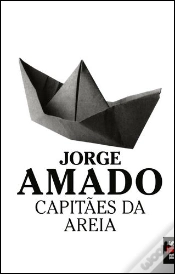
Capitães da Areia10%BIS7,50€ 10% CARD