
adicionar à lista de desejos
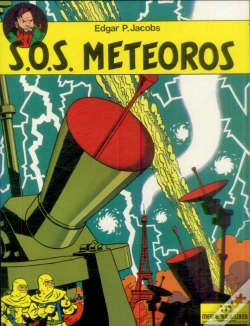
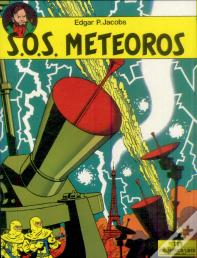
S.O.S. Meteoros
Publisher:
Meribérica / Liber, April of 2000 ‧
see product details
7,50€
10% OFF
CARD
ZHpVNU1rUnVVME5ETVU1d1luVjBVRGxUUmxSWmRqWjJXalZ0UnlzelNWTkxlak5RUm1reFZUZDViVmhJUzBkU0t6Tm5WMGQ0ZHpsdVNXdHlObWxXY1VKT1IyTmhVeXRVTUZJckszbFZaWGxrY0dOdlNUWm5iV2hEVVhoRWFtdEVjRVZJUkdWQ1RUWXpVRmd6YzNSVFpHOHZlV1J0TVRKdFVXNVFVSEZyY3pFdldYZE5WWHBOT1dkQmJtWldkbUl4Y0RNMFlsRXlSRlJqTTFad1EwVmxXVkkwYVZSWk9IbHVVSGt2UzB4MVRuRmlkazgzWmtVd1RHcHhRa1pvTkVRMFkwZHJabFZQYkc1TFVuTXliVFpoVVhRMFRFODRUa0l5ZFd0cEsxY3ZkbGhLWTJ4NVltbFliR1JvY2preFZXMVdUVXR5YjNwQ2FESmplblpSUTI4NVoyOTJhVTRyZVZsbk4ycDBObk5QWkZkemJHcERTblZKWXpNeFptUk1SMU5LV1U5VU5rSnJWbTEzT0cxRE5HczFZbkJMV2l0TGNXVldLM3BrU2pSbVYwWnNMMEp5VEdwTmVTdHJValpSWkZOQmRVNURUVUZwWW1sU1FqSlhiMUJVZDB0a01uQXJNa1ZvUVVNdlNrMVpWWGxZVFZwd1JEaHNTbmhTYmxOb1J6TXpaV3RtUlZGRFIxTnJZa3BJUVRrdlRFWTNhbHBTUlVSNFFrbzJZbVo2T0VsTVJ6UjNTbFF2TTNocVNrcEVhRkJPUlRSNGFtNTFhbG95ZFVOclRHbFNjak5ZVlhkTFowbFJabFZ0ZEhoNlRUSm5Xa3czY0dWSlVGZDJUVW94VDBGT2RGaEZSaXRLTkVwTmFEQm1SWEU0THpSdVNtcG9lbGxNVkRFdldsZzRZbGhVVG1WM2FHTmxhMVkzYkVoUVZUYzFaelJ1VjA5WE9HbElMeTloY0doR2VYQlJhbEkxZG5kdFIwSkdVbXhKWkhZMVpXRmlOSEEyV0c4eFVsSkRkRkp0TTBoQk9XVnpWV1F2VldwVldUTnRTelJLVlRVd2NHRkpWbTB6YldNM2QwcE1OeXQzTXpWd1RIYzBXRzVIYjNvek9VVmlTMG92TWxKUVJTczRkR1puVGxGV1p6SmtiVzlTYWpCNGJHbHNTSFZTVlRoa1VpdG9VVWRYUWs1TVluWnJVRmgwUTFwdE1IZzVORVJyV1dGTmVuaEZSR3BrVVhSbk1WQmtlREp2WW5KRVlrcFVabmhTT0ZsVWFVaFhaMkl3VVZWWGJpdENZbWt5Wkd4SmJGUTJOVGxRVFZRNE1VYzBXVUZGUFE9PTozeVR0MHBuTy9KM3kxcW9iU0R6aE9BPT0=
IN STOCK
-
DETeBook com proteção para wookreaderILS
| Property | Description |
|---|---|
| ISBN: | 9789724504759 |
| Publisher: | Meribérica / Liber |
| Release Date: | April of 2000 |
| Language: | Portuguese |
| Dimensions: | 230 x 300 x 4 mm |
| Cover: | Softcover |
| Pages: | 142 |
| Format: | Book |
| Categories: |
Books in Portuguese
>
Graphic Novels & Manga
>
Science fiction
|
| EAN: | 9789724504759 |
| Recommended Minimum Age: | Not applicable |
ABOUT THE AUTHOR
Edgar P. Jacobs
Edgar Pierre Jacobs nasceu a 30 de março de 1904, em Bruxelas (Bélgica).
Desde muito novo manifestou grande fascínio pelo desenho e pelas representações cénicas. Os seus cadernos escolares de História reproduzem cenas quotidianas, batalhas, pormenores arquitetónicos ou de indumentária, a par do esmero colocado na caligrafia, revelando o seu talento.
Após ter visto uma representação de Fausto, em 1917, nasce a sua outra grande paixão, a ópera.
Em 1919, depois de concluir a Escola Comercial, começou por trabalhar em publicidade, então inteiramente ilustrada, realizando gravuras para puzzles, álbuns para colorir, jogos, catálogos para grandes armazéns e cartazes, atividade que desenvolveu nos anos 20.
Em simultâneo, Jacobs aspirava a fazer carreira na ópera, tendo começado por ser figurante numa representação de Guilherme Tell no Teatro de La Monnaie, em 1921. Chegou a barítono da Ópera de Lille em 1929, ano em que ganhou um grande prémio de canto.
Durante os anos que esteve profundamente envolvido no meio operista, aproveitou também para utilizar o seu talento gráfico, concebendo projetos de indumentárias e maquetas de cenários. Trabalhou durante dez anos na Ópera de Lille, até ser mobilizado em 1939, com o eclodir da Segunda Guerra Mundial, e, posteriormente, com a invasão da Bélgica, pelo que a sua carreira ficou comprometida.
Com a Bélgica invadida, em 1940 recorre ao desenho como meio de sustento. Contactou a revista Bravo, para a qual realizou o mais variado tipo de ilustrações. Em 1942, quando a Bravo deixa de receber as provas da muito popular banda desenhada estado-unidense Flash Gordon, Edgar foi desafiado a continuar as suas aventuras, sob o título de "Gordon l'Intrepide". No entanto, por imposição da censura alemã, teve de concluir precipitadamente o seu trabalho, que visava dar uma hipotética continuação à história criada originalmente por Alex Raymond.
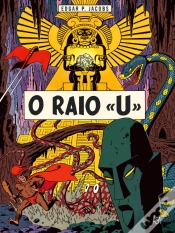
Entre 1943 e 1944 continuou a trabalhar em BD, tendo sido convidado pela mesma revista a desenvolver uma história que substituísse Flash Gordon. A sua primeira BD criada de raiz foi Le Rayon "U" (O Raio "U"), que surgiu na revista Bravo, em 1943. Uma segunda versão apareceu em 1974 na revista Tintin e em álbum da Lombard.
Em simultâneo, começou a colaborar com Hergé, o pai de Tintim, em 1944, tendo participado em Tintim quando Hergé sentiu a necessidade de redesenhar e colorir várias aventuras inicialmente saídas a preto e branco. Assim sendo, realizou os desenhos dos cenários e a coloração das seguintes histórias de Tintim: O Lótus Azul, O Ceptro de Ottokar, As 7 Bolas de Cristal e O Templo do Sol. Como nota do seu bom humor, Jacobs não se coibiu de se desenhar a si próprio, a Hergé e a outras pessoas conhecidas de ambos, entre os "figurantes" de algumas histórias.
Outra colaboração sua com Hergé esteve ligada à realização de ilustrações que documentassem a história da marinha, da aviação e do caminho-de-ferro, para a enciclopédia Voir et Savoir.
Em 26 de setembro de 1946 surgiu o número inaugural da mítica revista Tintin, que ficou marcado pela estreia da série Blake e Mortimer, da autoria de Edgar Pierre Jacobs, cujos protagonistas são um capitão da força aérea ligado aos serviços secretos e um físico apaixonado pela arqueologia, ambos cidadão britânicos, cultivando toda a série um ambiente muito british de meados do século XX.
A história inicial da série, Le Secret de l'Espadon (O Segredo do Espadão), impôs-se rapidamente com sucesso ante os leitores da revista, acabando por ser reunida em dois álbuns, editados em 1950 e 1953, começando assim uma das séries de culto da BD europeia.
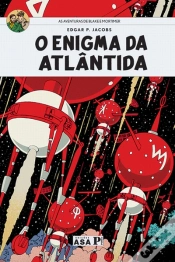
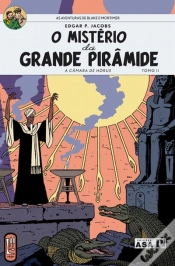
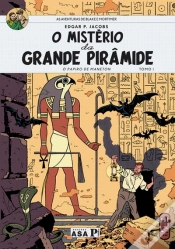
Depois surgiram Le Mystère de la Grande Pyramide (O Mistério da Grande Pirâmide), história também em duas partes, publicada na Tintin entre 1950 e 1954 (com álbuns editados em 1954 e 1955), e La Marque Jaune (A Marca Amarela), publicada em 1953 (álbum de 1956). Seguiram-se L'Enigme de l'Atlantide (O Enigma da Atlântida), de 1955 (álbum em 1957), SOS Météores (SOS Meteoros), de 1958 (álbum de 1959), Le Piège Diabolique (A Armadilha Diabólica), de 1960 (álbum de 1962), L'Affaire du Collier (O Caso do Colar), de 1965 (álbum de 1967) e Les 3 Formules du Professeur Sato I (As 3 Fórmulas do Professor Sato I), de 1971 (álbum de 1977), todas histórias publicadas inicialmente na revista Tintin e editadas em álbum pela Lombard.
De permeio, realizou ainda uma curta história, Le Trésor de Toutânkhamon (O Tesouro de Toutânkhamon) para a Tintin, em 1964, evocando a descoberta do célebre tesouro egípcio.
A publicação do segundo tomo As 3 Fórmulas do Professor Sato I foi sendo protelada até à sua morte, ocorrida em 1987.
Em 1986 criou a chancela Éditions Blake et Mortimer, que editou todos os álbuns num novo formato, com nova coloração e páginas suplementares, como sucedeu em O Segredo do Espadão, editado em três volumes.
Depois de vários problemas de saúde e tributários, que marcaram os seus últimos anos de vida, faleceu vítima da doença de Parkinson, em Bruxelas, a 20 de fevereiro de 1987, deixando uma obra pequena pelo número de títulos mas de inegável qualidade narrativa e plástica, que se tornou uma importante referência da BD franco-belga.
O derradeiro álbum, Les 3 Formules du Professeur Sato II (As 3 Fórmulas do Professor Sato II), cujos esboços deixou terminados, viria a ser concluído por Bob de Moor, sendo editado em 1990. Em 1996 Jean Van Hamme e Ted Benoit prosseguiram a série com grande êxito, a que se juntou, mais tarde, outra dupla de autores, Yves Sente e André Juillard.
BY THE AUTHOR
-
10%O Raio UEdições Asa16,90€ 10% CARDfree shipping
-
10%O Enigma da AtlântidaEdições Asa13,50€ 10% CARD