




adicionar à lista de desejos
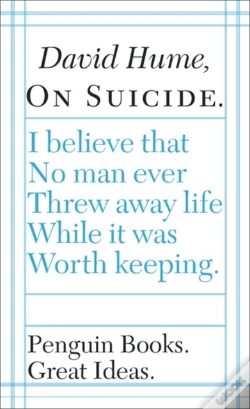
On Suicide
language: english
Publisher:
PENGUIN BOOKS LTD, August of 2005 ‧
see product details
10,80€
10% OFF
CARD
VTBacFJXaGxPVXhTVDNBNFIzQmxSVWRQZVVST2FUZEpNVmg1Y1dwNWJWWXpjMDgyVm1Odk1uTk1ORk14ZG14eWNVRktXVTQzUzJJeFpWQkhjVFpYY1hkUlpVVXlRVTFCWW5Ka0wySmhObFY2VkhwTVUwSTBTRkpzVVVwaU4wbENhVGxEU1VObGFtSlVjVmxEYXl0c1kybFRhSFJxTmpCM1pVZGpVbGd5ZGl0a1ZIRk9VekoyV0hSNlEwRTFOMkphV0hsR09GaExjM0U0UlZOM2MzcEdhRGxJYlRkUU4zUTBOR1ZrUmxCVU5rNXVMMjFaTlVGQ1N6SmFRakoySzFaeFZqZHVZMnRCTjJzMmJEQTNaMU5DVVROSFNUQmtaWEZ6T1hWU2VrUk5ia000VERaa1dETlhOWEpUYkc5U1REQTVNM280UzA5RVlucEpTaTlRUTFOaU0yczFhVGh1VjBaa05uUjJaa054VEM5Vkt6RnFjVzloTWtoMWVHRlZZa1JKTjJkTFdrRk5OWEo2VjFkRmVVbHFZMVozWTNKU2EybElXVTl0UmtWb1NGWldiRUUwTkVneE5qTjZNSGwxYm1abkwyMVFkWEpUVEhWVmJYZzBabU5KVGtKbWREVnBjbUozY2pCM2JXd3pTVmx0WW1SSE5rOW9UekZJYm5BeGIzRkxhVkpZVERWblQwNW1kVVZpZG5Ga1VESnlSMm93UTBJd1owMXdPRU5TY0hSWVYxRmtiSEpCVkZGRVJVbEZVMmhGU2xwUllucE5OM042UzJkTVNtdFVTR2cwTVdoTlVGUlBRWFZyUWxKSk1YRXhMM0ZWZWxsVFpsbzVNSGg0Ym5sV1VtUnBOM3B4VjJWMVJXVk5lVzlKUW1KRldFOUdlVWRCT0hGSmVXbFphVWN5UjIxQ2RHWkVaa05JVjFoS1kydERZamR1Tmt3ellXbDZObEZIZW5GM05WWnVaWFV5ZEU5M1UzWlRWMWhSZFhZNVV6SllaVkZMV1N0cldsaEhSVVJUSzA1a1l6WllRVzlZU2taS1EwSlNaRkpaVlhKT2RHOXhXRTB2WkdkMVREaGxXR2RyT1ZwV1JWTkZhMGhRV2pjMGQyNUZTbFJqZWpaa1RWTlVaMlpCZEd4bEwxUlZNbk5QT0VSS2FsVlhRbUpaVW5KMk5XRktOM2hRWWpobU9HMDVTa0k1UWxoRGFVNTZkMGx3VW1KbE1uTnRXblIwWm1aSWFYbFVOSFZ6Ukc4clVVeDBiR2RzWkZWbU5qRkZWeXRsVGxrclIxUjBOVFpDWW1jeU9FNVhWR1ZKVmtGUmNUaHBjRXBMUm5wSFpuVXlkVkZsV25KRU1qUnZPRFZZU0U5NlRFWTNTVmRhUlRCNEsxazVjM0pZUmpJNWIyeFhVVDA5Okwva3NXYkxFdFVCcFRybDVyWTkxOHc9PQ==
Sell your book
SYNOPSIS
Throughout history, some books have changed the world. They have transformed the way we see ourselves - and each other. They have inspired debate, dissent, war and revolution. They have enlightened, outraged, provoked and comforted. They have enriched lives - and destroyed them. Now Penguin brings you the works of the great thinkers, pioneers, radicals and visionaries whose ideas shook civilization and helped make us who we are. One of the most important thinkers ever to write in English, the Empiricist David Hume liberated philosophy from the superstitious constraints of religion; here, he argues that all are free to choose between life and death, considers the nature of personal taste and succinctly criticises common philosophies of the time.
DETAILS
| Property | Description |
|---|---|
| ISBN: | 9780141023953 |
| Publisher: | PENGUIN BOOKS LTD |
| Release Date: | August of 2005 |
| Language: | English |
| Dimensions: | 112 x 182 x 6 mm |
| Cover: | Softcover |
| Pages: | 128 |
| Format: | Book |
| Collection: | Penguin Great Ideas |
| Categories: |
Books in English
>
Social Sciences and Humanities
>
Philosophy
|
| EAN: | 9780141023953 |
ABOUT THE AUTHOR
David Hume
David Hume (Edimburgo, 7 de maio de 1711 - Edimburgo, 25 de agosto de 1776) foi um filósofo e historiador escocês. Foi, juntamente com Adam Smith e Thomas Reid, entre outros, uma das figuras mais importantes do chamado iluminismo escocês. É visto por vezes como o terceiro e o mais radical dos chamados empiristas britânicos, depois de John Locke e George Berkeley (apesar deste último ser Anglo-irlandês). O destaque dado ao trio Hume, Locke, e Berkeley, apesar de tradicional, desvaloriza a influência de vários escritores francófonos como Pierre Bayle e de outras figuras intelectuais de língua inglesa como Isaac Newton, Samuel Clarke, Francis Hutcheson, e Joseph Butler. A influente filosofia de Hume é famosa pelo seu profundo ceticismo, apesar de muitos especialistas preferirem destacar a sua componente naturalista. O estudo da sua obra tem oscilado entre aqueles que colocam ênfase no lado ceticista (tais como Reid, Greene, e os positivistas lógicos) e aqueles que enfatizam o lado naturalista (como Kemp Smith, Stroud, e Galeie Strawson). Não se sabe, se David Hume possuía alguma crença, para alguns ele era ateu, e para outros agnostico, apesar de viver no ambiente escocês caracterizado pela igreja presbiteriana. Politicamente era um liberal do partido Whig, favorável à união entre a Escócia e a Inglaterra de 1707. Sua língua materna era o escocês (scots), falava inglês com um forte sotaque, contudo, escrevia exemplarmente nesta. Foi um dos ilustres membros da Select Society de Edimburgo. Seguindo atentamente os acontecimentos nas colónias americanas, tomou partido pela independência americana. Em 1775 ele disse a Benjamin Franklin: "eu sou um americano nos meus princípios".
(see more)BOOKS FROM THE SAME COLLECTION
-
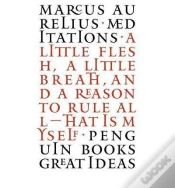
10%MeditationsPENGUIN BOOKS LTD10,80€ 10% CARD
-
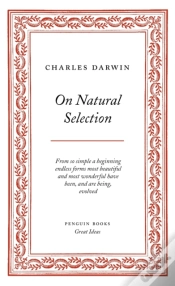
10%On Natural SelectionPENGUIN BOOKS LTD10,80€ 10% CARD
BY THE AUTHOR
-
10%Investigação sobre o Entendimento HumanoEdições 7019,90€ 10% CARDfree shipping
-
10%Do Padrão do Gosto e Outros Ensaios Sobre as Artes e a BelezaEdições 7019,90€ 10% CARDfree shipping
PEOPLE WHO BOUGHT ALSO BOUGHT
-
10%Human HappinessPENGUIN BOOKS LTD10,80€ 10% CARTÃO
-
10%Miracles And IdolatryPENGUIN BOOKS LTD10,80€ 10% CARTÃO