





adicionar à lista de desejos
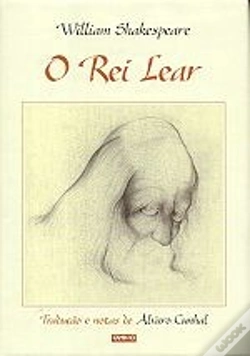
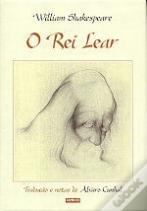
O Rei Lear
Publisher:
Editorial Caminho, April of 2002 ‧
see product details
OUT OF STOCK OR NOT AVAILABLE
Sell your book
SYNOPSIS
Tradução e notas de Álvaro Cunhal
«A versão d' O Rei Lear, que agora se publica, apareceu inicialmente nas «Obras de Shakespeare», editadas em fascículos pela Tipografia Scarpa em Lisboa, que, para o efeito, se assumiu como editora do projecto. [...]
O texto d' O Rei Lear, então publicado, não figura sob o nome do seu verdadeiro tradutor. Não é possível estabelecer se se trata de um pseudónimo ou de alguém que tivesse emprestado o nome para o efeito. Como director literário e organizador da edição, soube sempre quem era o tradutor e entrei no estratagema editorial com pleno conhecimento da situação. Ao leitor menos avisado poderá parecer estranho todo este esquema da dissimulação da autoria da versão portuguesa. A verdade é que o nome do tradutor não se podia revelar na altura. Tratava-se do Dr. Álvaro Cunhal. Sob as condições da ditadura salazarista, que suprimira todas as liberdades políticas e exercia a coerção policial sobre os cidadãos, o seu nome era anátema para o regime. Para mais, o Dr. Álvaro Cunhal encontrava-se na Penitenciária, e tudo quanto a ele se referisse era zelosamente controlado pelas autoridades no sentido de apagar a sua presença. Fica assim esclarecida a questão da autoria da tradução e do 'mistério' que a rodeou.
O texto entregue impunha-se pela sua qualidade literária e conformava-se plenamente com o critério que havíamos adoptado para a publicação das «Obras de Shakespeare». Nele se nota o rigor da expressão e a fidelidade ao original. As subtilezas e complexidades, que se nos deparam no texto inglês, são examinadas nas notas onde se explica e fundamenta a versão adoptada. Por mais de uma vez se pressente nos comentários do tradutor a inclinação para o desenvolvimento dos temas tratados, mas que a natureza do trabalho empreendido exclui à partida. A seriedade, que preside à elaboração do texto, revela uma preparação cuidada para a tarefa da tradução. O tradutor documentou-se convenientemente e reflectiu demoradamente sobre a obra.
A questão do poder e a sua representação nas tábuas de um palco continuam a ter uma importância excepcional no que toca ao seu aspecto dramático. O teatro de Shakespeare, mais do que para ser lido, é para ser visto e ouvido, e o texto tem, por isso, de sugerir uma dimensão visual na alusão semântica que transmite ao leitor/espectador. Esta parábola da arte de reinar e dos afectos, que condicionam ou perturbam a escolha do governante, tem raízes profundas na cultura e no imaginário popular. Frisa o tradutor que este drama 'é admirável exemplo da obra dum grande artista assente no espírito criador do seu povo, da fusão do génio popular.' História bem conhecida e repetidas vezes contada, ela faz parte do repertório intelectual do espectador comum, sendo a sua encenação acessível a um largo público. O perfil psicológico do rei Lear, a sua aposta na sucessão, ao querer dar o reino à filha que mais o amasse, dão sinal de megalomania, que é má conselheira em matéria política. Mas a junção do drama familiar com o problema da governação oferecia ao público uma intimidade que permitia ver de dentro, os chamados bastidores da História, o que este só capta nos seus efeitos exteriores, julgados como consequência política. A sageza na vida e na arte de governar, que se ganha com a experiência, abandona o rei Lear, deixa-o à mercê das paixões, da vaidade pessoal e da egomania, levando à tragédia, cuja magnitude se impõe em toda a sua complexidade na sucessão das cenas que constituem a narrativa do drama. A sintonia entre o tema e as vivências do tradutor é perfeita e revela-se nas páginas da versão portuguesa. [...]»
Luís de Sousa Rebelo
«A versão d' O Rei Lear, que agora se publica, apareceu inicialmente nas «Obras de Shakespeare», editadas em fascículos pela Tipografia Scarpa em Lisboa, que, para o efeito, se assumiu como editora do projecto. [...]
O texto d' O Rei Lear, então publicado, não figura sob o nome do seu verdadeiro tradutor. Não é possível estabelecer se se trata de um pseudónimo ou de alguém que tivesse emprestado o nome para o efeito. Como director literário e organizador da edição, soube sempre quem era o tradutor e entrei no estratagema editorial com pleno conhecimento da situação. Ao leitor menos avisado poderá parecer estranho todo este esquema da dissimulação da autoria da versão portuguesa. A verdade é que o nome do tradutor não se podia revelar na altura. Tratava-se do Dr. Álvaro Cunhal. Sob as condições da ditadura salazarista, que suprimira todas as liberdades políticas e exercia a coerção policial sobre os cidadãos, o seu nome era anátema para o regime. Para mais, o Dr. Álvaro Cunhal encontrava-se na Penitenciária, e tudo quanto a ele se referisse era zelosamente controlado pelas autoridades no sentido de apagar a sua presença. Fica assim esclarecida a questão da autoria da tradução e do 'mistério' que a rodeou.
O texto entregue impunha-se pela sua qualidade literária e conformava-se plenamente com o critério que havíamos adoptado para a publicação das «Obras de Shakespeare». Nele se nota o rigor da expressão e a fidelidade ao original. As subtilezas e complexidades, que se nos deparam no texto inglês, são examinadas nas notas onde se explica e fundamenta a versão adoptada. Por mais de uma vez se pressente nos comentários do tradutor a inclinação para o desenvolvimento dos temas tratados, mas que a natureza do trabalho empreendido exclui à partida. A seriedade, que preside à elaboração do texto, revela uma preparação cuidada para a tarefa da tradução. O tradutor documentou-se convenientemente e reflectiu demoradamente sobre a obra.
A questão do poder e a sua representação nas tábuas de um palco continuam a ter uma importância excepcional no que toca ao seu aspecto dramático. O teatro de Shakespeare, mais do que para ser lido, é para ser visto e ouvido, e o texto tem, por isso, de sugerir uma dimensão visual na alusão semântica que transmite ao leitor/espectador. Esta parábola da arte de reinar e dos afectos, que condicionam ou perturbam a escolha do governante, tem raízes profundas na cultura e no imaginário popular. Frisa o tradutor que este drama 'é admirável exemplo da obra dum grande artista assente no espírito criador do seu povo, da fusão do génio popular.' História bem conhecida e repetidas vezes contada, ela faz parte do repertório intelectual do espectador comum, sendo a sua encenação acessível a um largo público. O perfil psicológico do rei Lear, a sua aposta na sucessão, ao querer dar o reino à filha que mais o amasse, dão sinal de megalomania, que é má conselheira em matéria política. Mas a junção do drama familiar com o problema da governação oferecia ao público uma intimidade que permitia ver de dentro, os chamados bastidores da História, o que este só capta nos seus efeitos exteriores, julgados como consequência política. A sageza na vida e na arte de governar, que se ganha com a experiência, abandona o rei Lear, deixa-o à mercê das paixões, da vaidade pessoal e da egomania, levando à tragédia, cuja magnitude se impõe em toda a sua complexidade na sucessão das cenas que constituem a narrativa do drama. A sintonia entre o tema e as vivências do tradutor é perfeita e revela-se nas páginas da versão portuguesa. [...]»
Luís de Sousa Rebelo
DETeBook com proteção para wookreaderILS
| Property | Description |
|---|---|
| ISBN: | 9789722114851 |
| Publisher: | Editorial Caminho |
| Release Date: | April of 2002 |
| Language: | Portuguese |
| Dimensions: | 171 x 246 x 45 mm |
| Cover: | Hardcover |
| Pages: | 274 |
| Format: | Book |
| Collection: | Fora de Colecção - Literatura |
| Categories: |
Books in Portuguese
>
Art
>
Performing Arts
Books in Portuguese > Fiction > Theatre (Work) |
| EAN: | 9789722114851 |
| Recommended Minimum Age: | Not applicable |
ABOUT THE AUTHOR
William Shakespeare
Poeta e dramaturgo inglês nascido em 1564, em Stratford-Upon-Avon, e falecido em 1616. O seu aniversário é comemorado a 23 de abril e sabe-se que foi batizado a 26 de abril de 1564. Stratford-Upon-Avon era então uma próspera cidade mercantil, uma das mais importantes do condado de Warwickshire. O seu pai, John Shakespeare, era um comerciante bem sucedido e membro do conselho municipal. A mãe, Mary Arden, pertencia a uma das mais notáveis famílias de Warwickshire. Shakespeare frequentou o liceu de Stratford, onde os filhos dos comerciantes da região aprendiam Grego e Latim e recebiam uma educação apropriada à classe média a que pertenciam. São conhecidos poucos factos da vida de Shakespeare entre a altura em que deixou o liceu e o seu aparecimento em Londres como ator e dramaturgo por volta de 1599. Em 1582 casou com Anne Hathaway, oito anos mais velha do que ele, e o casal teve três filhos: Suzanna (nascida em 1583), e os gémeos Hamnet e Judith (nascidos em 1585). A primeira referência a Shakespeare como ator e dramaturgo encontra-se em A Groatsworth of Wit (1592), um folheto autobiográfico da autoria do dramaturgo londrino Robert Greene, onde o escritor é acusado de plágio. Nesta altura Shakespeare era já conhecido em Londres, embora não se saiba com exatidão a data do seu aparecimento na capital. Em virtude do encerramento dos teatros londrinos entre 1592-94, Shakespeare compôs nessa época dois poemas narrativos: Venus and Adonis (publicado em 1593) e The Rape of Lucrece (publicado em 1594). No inverno de 1594 integrou a mais importante companhia de teatro isabelina, The Lord Chamberlain's Men, onde permaneceu até ao final da sua carreira. A companhia deveu à popularidade de Shakespeare o seu lugar privilegiado entre as restantes companhias de teatro até ao encerramento dos teatros pelo Parlamento inglês em 1642. Em 1598 foi inaugurado o Globe Theatre, o teatro da companhia a que Shakespeare se associara, construído pelo ator e empresário Richard Burbage no bairro de Southwark, na margem sul do Tamisa. Depois da ascensão ao trono de Jaime I (em 1603) a companhia The Lord Chamberlain's Men passou para a tutela real, e o seu nome foi alterado para The King's Men. A passagem de Shakespeare pelos palcos associa-se a breves desempenhos: Adam na peça As You Like It e o fantasma (Ghost) em Hamlet. Depois de ter comprado algumas propriedades em Strattford, Shakespeare retirou-se para a sua terra natal em 1610, mantendo todavia o contacto com Londres. O Globe Theatre foi destruído pelo fogo no dia 23 de junho de 1613, durante uma representação da peça Henry VIII. Além de uma coleção de sonetos e de alguns poemas épicos, Shakespeare escreveu exclusivamente para o teatro. As suas 37 peças dividem-se geralmente em três categorias: comédias, dramas históricos e tragédias. Entre os dramas históricos, género que primeiro cultivou, destacam-se Richard III (Ricardo III), Richard II (Ricardo II) e Henry IV (Henrique IV). Entre as suas comédias contam-se Love's Labour's Lost, The Comedy of Errors, The Taming of the Shrew, a comédia de intenção séria The Merchant of Venice (O Mercador de Veneza), As You Like It (Como Quiserem) e A Midsummer Night's Dream (Um Sonho de Uma Noite de Verão). A tragédia não é uma forma que pertença exclusivamente a um determinado período na evolução da obra de Shakespeare. Sob influência de Marlowe, a forma de tragédia já se encontrava nas peças que dramatizavam episódios da História inglesa. Em Romeo and Juliet (Romeu e Julieta) e Julius Caesar (Júlio César) Shakespeare combinou a perspetiva histórica com uma interpretação trágica dos conflitos humanos. O período em que Shakespeare escreveu as suas grandes tragédias iniciou-se com Hamlet, escrita entre 1600-1602, a que se seguiram Othelo, Macbeth, King Lear, Anthony and Cleopatra e Coriolanus, todas elas compostas entre 1601 e 1608. Na última fase da carreira de Shakespeare situam-se as peças de tom mais ligeiro: Cymbeline, The Winter's Tale e The Thempest. Parte das obras de Shakespeare foram publicadas durante a vida do autor, por vezes em edições pirateadas, mas só em 1623 apareceu a edição "Fólio", compilada por John Heminges e Henry Condell, dois atores que tinham trabalhado com Shakespeare. No século XVIII as peças foram publicadas por Alexander Pope (em 1725 e 1728) e Samuel Johnson (em 1765), mas só com o Romantismo se compreendeu a profundidade e extensão do génio de Shakespeare. No século XX reforçou-se a tendência para considerar a obra de Shakespeare integrada nos contextos dramáticos que a suscitaram.
(see more)BOOKS FROM THE SAME COLLECTION
-
CheEditorial Caminho8,48€
-
As Sombras de OlindaEditorial Caminho11,10€
BY THE AUTHOR
-
10%HamletAssírio & Alvim14,99€
16,65€free shipping -
10%MacbethPenguin Clássicos12,95€ 10% CARD
PEOPLE WHO BOUGHT ALSO BOUGHT
-
10%A Anunciação a MariaLucerna16,10€ 10% CARTÃOfree shipping
-
50%Shakespeare - O Teatro do MundoQuimera6,00€ 40% + 10% CARTÃO