


adicionar à lista de desejos
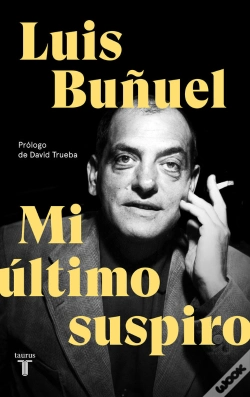
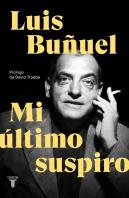
Mi Último Suspiro
language: spanish
Publisher:
TAURUS, September of 2018 ‧
see product details
22,32€
10% OFF
CARD
TlVaWU5rRnFiR2wyVG1KUVNWZEJMMUIxYlZoMU9YZHFNRGh1TDJjNFduRjJhbUlyT0RGRGRXY3dOR2xJSzNaaWJqWTNaWGd5WjBSbGFHZFFMMkZHU0RoeFpHOHpaMDVaYzI0MWRYRTRhVUl5V2tOdmFqZzVXa05DVTBGS1ZWaGtTSHBRVVVORFVFdFhTM1ZtYm5KRk5GVkdXVlJ6TkhGTlJsQlRRbXB5YW1kNWRtOUVUV1pSU1V3ME1XMVhUM0JMVUVoTk5GUjRORGxXWW1keEsyUXZSbTUwTWtGV1pEZGpZekZvYlRCVFRESTNibVJ6WkRKNVVtbzVZbWxTVjJoQlQzTk1WbUZvVkhCNkt6TnZNbE5TUkM5NGNVaENNMnBUUnpKUlRIaHpja05yUm5GeVQzRjZaSGhZU201NmJGRjVaa1p1TjAxWlNtSlZhbWxyWmxoaE5HTnhWM1pUWTBaNGQzQjJhMU5JVDNkUE5HaEJXVGdyVDBkTVVuSnpXSHA0VXpOYVUzYzVLemt2WmxkSmJEZzJWbGhPYkRaSVJIazRVVGxrUm1Gc2RHOXRSbmxrVW1jeVFuaHlUa0ZYYjBGbGFqTkdkSGhoV0haSmIzQjNZbFZ0TVUwNU5rOXpiRTlPZFdjM1luQlRVbXBYYkc5MGVXZFBPRVYyWTBGUFIwZEJWSGx4VkdGMlUzQnBaRWhMY0V0bmJtbHFla2xZV21kTE5VYzJNMVZIYUZaclkwUkpRVXhNU25SeWVtTlpORWh5YzNaNFptUmlTa1JGTlhWYWIxUlFkVFl6UjNCU01HMVFTMUpEWlhsaGEyOVRXazFRUVhkNk9YbzNhVlJpYjA5R0swbHZWSHB5WmpFeWFIRnJLelIzT0ZjMWJrdHlja2g2YTIwd2MzTmxVRlpGYUZRclMzVnVObU0xVG0xT2IwTmxlRXRhTlZoc2VVOVBiVlZGTUc5TWRVaHJWRU01WjIwM2NsZGtWbmxTUmpCdFRrUlRWMGhtYTFWdk1FczVRV3BDVGxGek1FeDVkSG80U25abGNqWkVUVmhtWkRRMFEwZG1SbVJwV0hJMlJIZHJlV05JUkVoV2JFTkRNVVp2SzNGTlptZE5hekZtUld0WmFuTkhTMFZMTkhaak0zSTROSEo1YjNZdllqQk9SRU5OV25Jdk1UQmFhMGhZTVVOTE15dElOMmhRVkdGamNYQnJUMVZFV0ZaUldubDVkVFpLY1RKblFYZEthV3hQYjBOd2FqQjVSVWxUV0hSRWJYWlVLemh1VG10bGIzQkhUMFF3ZFhBdlZIaG1WWEZXTHpSQldVNXRhRVJIVkd0TFpFOHhhM0J3UW1Ka01VWTRhMk55UkhwUTpOOFNxTlBCaGRqK0RXYkhDWmE1L2p3PT0=
free shipping
SYNOPSIS
Un libro de memorias canónico, fruto de dieciocho años de trabajo y de la amistad entre el genial cineasta y Jean-Claude Carrière. Estas memorias son el fruto de dieciocho años de trabajo y amistad entre Luis Buñuel y Jean-Claude Carrière. Juntos hicieron seis obras maestras del cine: Diario de una camarera, Belle de jour, La Vía Láctea, El discreto encanto de la burguesía, El fantasma de la libertad y Ese oscuro objeto del deseo. El libro nació espontáneamente de sus entrevistas en España y México durante los intervalos de las sesiones de trabajo; el uno evocando sus recuerdos y el otro recogiendo las palabras del amigo y anotándolas. Mi último suspiro recoge la voz y las propias palabras de Luis Buñuel, y nos da una particular visión del genial cineasta y de su mundo más personal. Esta edición conmemora el trigésimo aniversario de su primera edición francesa y española. Reseña:«Buñuel es el portador de una conciencia poética.»Andrei Tarkovski
DETeBook com proteção para wookreaderILS
| Property | Description |
|---|---|
| ISBN: | 9788430619870 |
| Publisher: | TAURUS |
| Release Date: | September of 2018 |
| Language: | Spanish |
| Dimensions: | 150 x 230 x 23 mm |
| Cover: | Softcover |
| Pages: | 328 |
| Format: | Book |
| Categories: |
Books in Spanish
>
Art
>
Cinema
|
| EAN: | 9788430619870 |
ABOUT THE AUTHOR
Luis Buñuel
Realizador e cineasta espanhol, nasceu em Calanda (Teruel), em 1900, tendo-se licenciado em História na Faculdade de Filosofia e Letras de Madrid. Nesta altura trava conhecimento com Jose Moreno Villa, Eduardo Marquina, Juan Ramón Jiménez, e uma forte amizade com Salvador Dali e Federico García Lorca, colegas da residência estudantil, onde morará até 1925. Publica alguns textos em revistas literárias.
Vive em Paris até 1929, onde se inscreve na Academia de Cinema e escreve crítica cinematográfica. Escreve, com Jose Bello, "Hamlet", a primeira obra surrealista do teatro espanhol, que é levada à cena em Paris. Nunca perderá a sua veia literária e poética.
Os seus primeiros dois filmes são feitos em colaboração com o pintor Salvador Dali: "Cão Andaluz", em 1928, e "A Idade de Ouro" (banido durante 49 anos), em 1930. "Chocante", "provocadora", "polémica", "inovadora" serão termos sempre associados à obra cinematográfica deste realizador, que transformará para sempre a estética cinematográfica.
Casa em 1934 com Jeanne Rucar em Paris.
Em Madrid é o responsável pelas dobragens da Warner Brothers. Em 1938 viaja para os Estados Unidos da América, onde trabalha em dobragem para a Warner Brothers, mas em 1946 estabelece-se no México, obtendo a nacionalidade mexicana. Filma "Nazarín", com o qual ganha o Prémio Especial do Júri do Festival de Cannes.
As suas raízes assentam no surrealismo. Os seus filmes mais tardios, como "O Anjo Exterminador", "A Bela do Dia", "O Fantasma da Liberdade", "Esse Obscuro Objeto de Desejo", entre outros, são reconhecidos publicamente e muitos recebem prémios em festivais de cinema por todo o mundo. Volta a viver em Paris, mas vem a morrer no México em 1983.
BY THE AUTHOR
-
10%El Perro AndaluzANIMAL SOSPECHOSO EDITOR16,30€ 10% CARDfree shipping
-
10%El Perro Andaluz / Un Perro AndaluzPrensas de la Universidad de Zaragoza12,23€ 10% CARD