







adicionar à lista de desejos
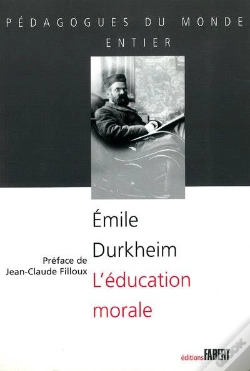
L'Éducation Morale
language: french
Publisher:
FABERT, September of 2007 ‧
see product details
28,68€
10% OFF
CARD
UlRaSE9IaFljRUpMVWtwWWNsUldXVzl0UkRaTVkySXlNM2N5VVhCd1JFSkRhRk5vUW1GaVVqUlVjRTVJYkdJM1pXTklTMjlYTWxJd2MwWlFTRzUwZFRGRWJETkZWbmRUYTJoUmJXbEhPREJ3UVhCWVVXOU1jV04xUjFWRVNGWTBSbFJvYTNJeGVrTjBTVUoyUWpKdFJUWXJTRUYxVlUxVlRXNDVTRm81T1ZBM2NrUk9TbE14VW0xRk1sQktiMHByVkV0R1pqRjNka1JFY0RadVptcElibGRoUm1OcFIweHFNV2hETTBGd1oyUXZTRWN4VDA1clNITTBXVFIwUVRaQ2RrbHFUWEZsWWtaYVJFMUJjVEZtU2xOak0xTnFObmhRWTFaWFdXMUdkMHRsUzB0M1lsQkZXV0Z5TkdaSWVtNXVZVkJuTTJWaU9FUm5NMjR3YlhFclVFcDNNMVoyVEhWa2RsSlFSMmcwYTI5eVNrUkRXR3hIYTJrMlYzaDJXbEZKVkdKaVlqZzBMMlZPVUhabmRXd3JUbFZKTWt0Rk1FdGhRbkpDTVM4M1pEQlVjV3g2VXpCVFVXbG5lR013UlVJMFFpOU9SRzFETTNoNmRGWXJSMFo2VVZwQlVITktjMll6YVdjeFEzZzJRVTlGVDJ4VFNqWldNRzVIYVU5cVJIWllUM0JCSzBSWGEybHhTa2c0UVRGU1pqY3ZUVzR5ZWpaVlNteFJLMGg0TTJwRU5XNVRTbWhXV2xOV0sybE9hQ3RxVTI4eVlucEVNWGczUlRGRk1WcHRTR1JGV1dvNFEyaE9Ta2RLVjA0d1dVRlJTMmcwVG5obFR6Wm9VRkJhUjBWNFUzcEJNVU5hUm1aaFlrTlFkelZTU1ZCNGFXcE1jelJ6TDJKTlVGbzFiSE5tU0VWRFpHOTFXbVZhVDFkQ1REQlJLM1ZSV25GQmVFNVNhR05hT0d4ck4wSjVTVzQyYW5GSE1uTnBURnBMYVhkR09ERlhWbUYyVTFSd1V6Z3lhVEZ3VEdGUk1tb3dlVXh3YTB4S2FGaDFlbkl6WjJkdWEwWkROVXRWZEc1UVpHTTFTR3gyT1hvcmQwbFRNMGhFYzNaU1JtVmtRMloxV0VOM1p6TmpabXRMU2xsRlIxZ3lhbU5pUlhSdlYwSlZRWEZ5UVRaUmVUaDVSRmxWVlVvdmFITTJSMXBOUmpKTGVGQjJUV0V3WVVGcVJVSlVRMEpQT1dSRFZraGtSV0ZsWW0wMGQwOWhXbUZFWm10c1JtbGtUbFpZYVdWMlVtZEVZVFp0WVZZNFpsTkdSRkE0V1cxNlpGaFpXV012V0dsbWEyVkpSWEZYZUdaUVptdENaMnhvTVRKUzphWlFtUHNDUENoTWhuU3dTR0R6U0lBPT0=
free shipping
SYNOPSIS
La mission de la science sociale, selon Émile Durkheim, est de mettre en mouvement les « forces actives et inventives » pour éveiller «la foi dans un commun idéal. Des idées nouvelles de justice, de solidarité sont entrain de s'élaborer. Travailler à dégager ces idées, les faire aimer des enfants, voilà quel est aujourd'hui le but le plus urgent de l'éducation morale. Avant tout, il faut nous faire une âme, et cette âme, il faut la préparer chez l'enfant.» Durkheim est déjà un sociologue reconnu quand il est chargé d'un cours de science sociale et de pédagogie: l'Éducation morale fait partie intégrante de son séminaire de 1902-1903 dispensé à la Sorbonne auprès des étudiants en sociologie, cours déjà prononcé à Bordeaux dans les années 1898/1899 et 1899/1900. Le regard de l'un des fondateurs de la sociologie française sur l'éducation est d'autant plus appréciable.
DETeBook com proteção para wookreaderILS
| Property | Description |
|---|---|
| ISBN: | 9782907164979 |
| Publisher: | FABERT |
| Release Date: | September of 2007 |
| Language: | French |
| Pages: | 360 |
| Format: | Book |
| Collection: | Penser Le Monde |
| Categories: |
Books in French
>
Social Sciences and Humanities
>
Others
|
| EAN: | 9782907164979 |
ABOUT THE AUTHOR
BOOKS FROM THE SAME COLLECTION
-
10%La Ferme Des CombesLUCIEN SOUNY19,08€ 10% CARDfree shipping
-
10%L'Heritier De HautefayeLUCIEN SOUNY19,08€ 10% CARDfree shipping
BY THE AUTHOR
-
10%El SocialismoEdiciones Akal13,25€ 10% CARD
-
10%On SuicidePENGUIN BOOKS LTD17,56€ 10% CARDfree shipping