




adicionar à lista de desejos
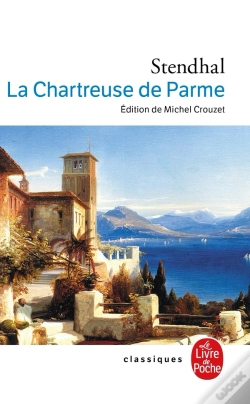
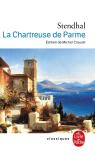
La Chartreuse De Parme
language: french
Publisher:
LE LIVRE DE POCHE, August of 2000 ‧
see product details
5,91€
10% OFF
CARD
WjJSTFRtWmxiWHBsYjNSU1pYcDZhVEprWjNKT056QlhSbVpsUXk4MVFWaHplVEJPUlZBemJUSXJSakZIU0Voek4xb3lOelUwZEd4emVtdzVObHB5WTIxTGRtb3JVbmxyU3psdE5YWnBUeTlPWjB0aVpXTXhlVlI0V25sSVdtOHdka3BpVDNWS1VsaG5ja012WW1OdlozRXhhMVp6YjAxWmQya3JOVm81Y0RCRmRXVmFVMEZhY2tsRlFsVlpVRWczZWtkTlZWSlhaa2xSUTFsaVUwZHZOSHBJWWxScVN6bFNNRk5xUXpFck9VWldWWGxrYkZvNE4xRlRaVVZyYTB0R2RHcHdXRzlZUVM5NVVFZGlZVmw1ZGpsaVIwOXljV3A0YzJkRVZHSk9TVWRGSzNSTlIwc3pXVmRDZEhOUmRHNUZjWFJWWjNaUlpXVTRlR2cxZFhoTWNIaHhWa3hFTjBZcldHcEhabVZCVFZCTk9XcDROVFYwWmxKdGJrSTJTVFZRWTJSaGRVTkZjMW8wT1dKcU1tOUZlbmx1YjFSeFExVkpUblJoY1ZGSFJFbFdTSGd5Y2tWb1JuZExWV2hYTnpaVVpXaFBXVXhMZGxobGMzTnBURUZPWlVwVE1HaE9iSGRuYzIxSlVFRXJlR05JUkZkMFNXVk5NVXN4VDNONU5sUnFMMFYwTDBoMFppOVlNRFIwWldjeVVTdEdMMjlzYVd0blduTXliamszVldSS05VaFJXSEowZWpjNVJ6ZGpXSE54WldKRGEyWjBSekJDYmtKUllreHZURTUyYVZJck4wOU9iSFUzWWk5Vk5rZ3haM0pvZFVrNVJVMXBlRTlDZEZWUWNqYzNiRXhDWVVScVdtRlRaR0poZFVFNWRXdFBiR3RZVEV4S2NtaDJVMnBMV1hOT1ZGTlpSR3hKVjJKeldHRnJlRGhvY0dNM016ZFdWWGQzYWpaaVJ5c3JWMGc1T0hoTWIxRTRjVUZ2VW1WM2JrZHZVVm92U1ZCNmFtY3lSRFJMY2tGWU5tbFdPRGxtZWpoWGJXVk9hWFpwTHpOamExaGtTell6UTI5alJqWmpNRkZQTlRKSFdrWTJXamc0Y2twU1prTnpja2MzYUhWMlEwaDRkMDFoUm1neVlYZDRMekpJY2paNlFsRmxhelE1YUc1SlZURmxkMGd2VkZKSWRHNDJSREpoTjFWYVFsZEdRMUI1VkZjM1VERXJWMlJEUm10NmVqbFVNVlUzVWtGa2NYZFdRMkZYUVZCSlFVOVFLemRhTjJkTGJpczNLMlo1ZVd4NlZrRllZMnROWlVsRmVFeGllazByYTNObk5IQXZZWE5OYTA5MldFVlFjVlpsV1c5bU5qZDFhelozWmpkUk1HdHpZMnAxVW10cWQzVmpRVDA5Oi9RbkdWRW5kTXRkMkRBQmFEdkxSTnc9PQ==
SYNOPSIS
Collection « Classiques » dirigée par Michel Zink et Michel Jarrety Stendhal La Chartreuse de Parme Cadet de grande famille fasciné par Napoléon qu'il rêve d'aller rejoindre, Fabrice del Dongo arrive à Waterloo quand commence la bataille. Mais il ne suivra pas la carrière des armes à quoi il aspirait, et consentira à devenir prélat. Avec assez de détachement, cependant, pour que l'essentiel reste bien pour lui la chasse au bonheur - c'est-à-dire l'amour.
Quand Stendhal publie La Chartreuse de Parme en 1839, le propre du roman demeure toujours à ses yeux le romanesque où rien ne compte que le récit qui se moque du sérieux, l'allègement de la vie et l'héroïsme des grandes actions comme des grandes passions. Et le paradoxe de ce livre moderne, qui est aussi une satire du pouvoir et de la cour de Parme, de ce livre où les Italiens retrouvent leur culture, c'est qu'il demeure apparenté au vieux fonds sans âge des romans où l'aventure s'accompagne d'un climat de bonheur et de gaieté.
édition de Michel Crouzet.
DETeBook com proteção para wookreaderILS
| Property | Description |
|---|---|
| ISBN: | 9782253160687 |
| Publisher: | LE LIVRE DE POCHE |
| Release Date: | August of 2000 |
| Language: | French |
| Dimensions: | 111 x 182 x 31 mm |
| Pages: | 743 |
| Format: | Book |
| Collection: | Classiques |
| Categories: |
Books in French
>
Fiction
>
Romance
|
| EAN: | 9782253160687 |
ABOUT THE AUTHOR
Stendhal
Stendhal era apenas um dos vários pseudónimos usados por Henri Beyle, escritor francês nascido no dia 23 de janeiro de 1783, em Grenoble. Tendo ficado órfão de mãe com apenas sete anos, Henri partiu para Paris em 1799 com o pretexto de se matricular na École Polytechnique mas, no fundo, a sua verdadeira intenção era fugir à disciplina paterna para se tornar um famoso dramaturgo. Seria, no entanto, pelos seus romances que Stendhal ficaria conhecido.
Três anos mais tarde, depois de uma passagem pelo exército de Napoleão que o levara até Itália, Stendhal encontra-se de novo em Paris, envolvido em vários projetos literários que nunca chegariam a ser concluídos. Nessa altura, a sua grande ambição era tornar-se um novo Moliére.
No ano de 1806, Henri Beyle foi nomeado comissário militar adjunto na cidade alemã de Brunswick, o que marcou o início de uma carreira que lhe permitiu conhecer a Alemanha, a Áustria e a Rússia.
Com a queda do Império Francês, em 1814, Henri decidiu instalar-se em Milão. A esta mudança para Itália corresponde a afirmação da carreira literária de Stendhal. As suas amizades políticas em Milão não eram bem vistas pelas forças ocupantes austríacas, tendo o escritor regressado a Paris no ano de 1821. Até 1830, a vida de Stendhal em Paris é marcada por uma intensa atividade social e intelectual. O aparecimento do seu "Racine et Shakespeare", em 1823, é considerado um dos primeiros manifestos do Romantismo em França.
Com a monarquia constitucional de Louis-Philippe, resultado da revolução de julho de 1830, Henri é nomeado cônsul no porto de Civitavecchia, nos Estados Papais. Isolado e longe da intensa vida parisiense, Stendhal encontra muitos obstáculos à sua escrita, tendo por isso dedicado o seu tempo a narrações de carácter autobiográfico. Nesta última fase da sua vida, Stendhal produziu alguns dos títulos mais importantes da sua obra.
Quando morreu, no dia 23 de março de 1842, Stendhal estava de licença em Paris. Deixou-nos obras magníficas como "O Vermelho e o Negro" e "A Cartuxa de Parma" e uma série de fabulosos contos.
BOOKS FROM THE SAME COLLECTION
-
10%Les GratitudesLATTES18,74€ 10% CARDfree shipping
-
10%Fetes Galantes ; Les Amies ; La Bonne ChansonLE LIVRE DE POCHE4,83€ 10% CARD
BY THE AUTHOR
-
10%A Cartuxa de ParmaRelógio D'Água20,19€ 10% CARDfree shipping
-
40%ArmanceClássica Editora7,63€ 30% + 10% CARD