


adicionar à lista de desejos

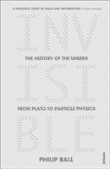
Invisible
The History Of The Unseen From Plato To Particle Physics
Book
eBook
language: english
Publisher:
Vintage Publishing, July of 2015 ‧
see product details
22,97€
10% OFF
CARD
VEhsb2IyaGlRV0Z3ZFdoeWNYbFFaSEpYTTNodlVGUkdXRFpSYmpOak1YVnNkRGcyU2xwWUwyVnFlbEJZWjFObE1TOWxZMmxxUVd0aFNsZERhbTlOSzJZd2RuWlpMMFp3U2l0WGNGVXdVSE5qZUVaa2NHWnBjamcwTjNCaVRVNHdOblJLVnpCcGJ6SndOMk4xY0U5RE9FTkRTV2xaYWpoM1NpOVNiRzUxWm5WTE1GbG1TalptYm5ablFrUXlSVFZ4WkZkamRGY3JNVGc1YTBOSFdFRjNhblpZZEVvMlVXMHdVRFpyYTJ0dWMwNVpXalV5V1RCMlFWbEtOakZIWkRGWFlteHFaalJtYkRCQ2EzZzVOWE5TUm1aUlltSk1VMHh0YW1OaVNHSm1OelZzWW5aSFEyZExkMnhJYTBFek5WSjBTRXBuUlZoWlNEZEdVVGRxVkRaSFdrTmtWVkp0VURKTEwyMUhlRVpTZVVOd2FUSnpOa3g0T0ZJMlFuRktVVFZMVURobmNYSkROM2t4V0ZaYVdsQm5XamhPTjFNNGNFdGxNVFYxTldSdmVIRnBTazlOVFc5RU5rTlZNRE4xWXl0WFJFZFFORXBKVUZoaUswbDZTRFZwYlhWa1RWVlhTV0ozT0V0TVdGSjJLM2t3TjFSdGFFNDVia0pTTUhCUGFrTXhVMUI0UTJvMWFtZ3dTRU16UTBzMmVHeHBUV1Y1WnpaTlR6RTNjVkUxTkVRMEwwMW1jM016U2taNFIyNVZSMnRhTnpCdldtRjBibXQxTDB4SGNqWTRlbFZ6UkRadU5YWkpPVVJIV2toU1NXcGFNR1IyWjBsdFQzRXpVVEJSVDFkcFRIbFBkVmhRVWpNdmVHRjViRFpLZEdkQlprZHhSRTVPVm1RdlpWQlBhSGxLZVZCU2FuQTRRV3huV0RsVmF6WjJhbGd6YVdwV2EyOU1XRGxPZFV3MGNpOU5XRnBJWjJ4dFVtZFRTMk42YW5GUGVsTm5RVkJYYlVscFExQnllRzUzVWpkRVQwMXdUM1U0YVVoWFlsbzFhazlqV1c1RUwxTkljakpKWmpGTWNEWmpWMWh6U0dGcksxcHhNazVvVnpVNFFtcElMMlZhTjNObmJrSnZRbW9yVFdwalltaEVibkZ2U2poQk5VMXFkM2RXT1hoRVdWcHNhR2syTjBGbk9GTkVNR2hUU2xaMWFDdGtLM292WkhGelR6UkxkV2RoZDJKdldrRXhlV1kzUzNsRVdqUlpUVzV1VkVsNWNVRldhV0ZWT0hFcldFMVdjazFuZFdvMlozaFdjVEZaVTJGTGNFUk1TbFJ5VEVsVlpXczNTVEZWVTA1MVpXVmxTaTlpWld0b2J6QkhjVzFhV21KalQxbGFhRGRSTkRKVGREWTBRVDA5OlEyVnNwZkhUWFNsMzkranRNdXZsSWc9PQ==
free shipping
Sell your book
SYNOPSIS
If you could be invisible, what would you do? The chances are that it would have something to do with power, wealth or sex. Perhaps all three. Impulses like these have always been at the heart of our fascination with invisibility. This book offers a history of humanity's turbulent relationship with the invisible.
DETAILS
| Property | Description |
|---|---|
| ISBN: | 9780099590439 |
| Publisher: | Vintage Publishing |
| Release Date: | July of 2015 |
| Language: | English |
| Dimensions: | 128 x 197 x 20 mm |
| Cover: | Softcover |
| Pages: | 336 |
| Format: | Book |
| Categories: |
Books in English
>
Social Sciences and Humanities
>
History and Scientific Methodology
Books in English > Others |
| EAN: | 9780099590439 |
ABOUT THE AUTHOR
BY THE AUTHOR
-
Bright Earth10%Vintage Publishing22,97€ 10% CARDfree shipping
-
Três Grandes Perguntas10%Planeta Tangerina21,60€
24,00€free shipping