




adicionar à lista de desejos
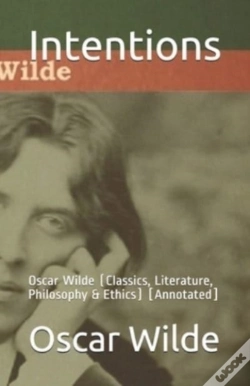
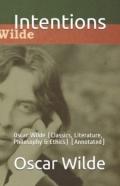
Intentions
Oscar Wilde (Classics, Literature, Philosophy & Ethics) (Annotated)
language: english
Publisher:
Independently Published, April of 2021 ‧
see product details
OUT OF STOCK OR NOT AVAILABLE
Sell your book
DETAILS
| Property | Description |
|---|---|
| ISBN: | 9798743953752 |
| Publisher: | Independently Published |
| Release Date: | April of 2021 |
| Language: | English |
| Dimensions: | 140 x 216 x 20 mm |
| Cover: | Softcover |
| Pages: | 210 |
| Format: | Book |
| Collection: | Experiments |
| Categories: |
Books in English
>
Others
|
| EAN: | 9798743953752 |
ABOUT THE AUTHOR
Oscar Wilde
Oscar Wilde nasceu a 10 de outubro de 1854. Foi o segundo filho de um casal irlandês residente em Dublin.
Em 1871 recebeu uma bolsa para frequentar o Trinity College de Dublin, onde começou a construir a sua persona, com o culto dos pré-rafaelitas, as roupas de dandy e o desafio às convenções.
É neste período que Wilde conhece as obras de Keats, Flaubert e Pater, embora, como disse mais tarde, já houvesse percorrido mais de metade do caminho quando os encontrou. Três anos depois está a frequentar Estudos Clássicos em Oxford.
É influenciado por dois professores de Belas-Artes, John Ruskin e Walter Pater.
Em 1879 já está a residir em Londres, onde se tornará conhecido pelo brilho das conversas e a frequência dos teatros. Escreve Vera ou os Niilistas, que não chega a ser representada, e em 1881 publica Poems.
Em 1884, casa com Constance Lloyd, uma herdeira inteligente e culta, interessada em literatura infantil e de quem teve dois filhos. A partir de 1886, Wilde assume abertamente a sua homossexualidade.
Colabora com a Pall Mall Gazette, publica O Retrato do Sr. W. H., contos como O Príncipe Feliz, e ataca o realismo no ensaio O Declínio da Mentira.
Em 1891 surge O Retrato de Dorian Gray. O romance celebra o esteticismo, critica os seus riscos e aborda pela primeira vez a homossexualidade na literatura inglesa. No mesmo ano publica A Alma do Homem e o Socialismo.
Em 1892, edita O Leque de Lady Windermere, o seu primeiro êxito teatral. Regressa a Paris, onde conhece Mallarmé, Schwob, e tem longas conversas com André Gide.
Mas Uma Mulher sem Importância faz que até alguns dos mais renitentes lhe reconheçam o talento. E é então, no auge da sua glória, que conhece Lord Alfred Douglas, Bosie para os íntimos, vinte anos mais novo do que ele, de gostos vulgares, caprichoso e manipulador. Em apenas dois anos, Wilde é levado à falência com presentes caros, jantares requintados e viagens.
É o começo do fim. Embora escreva ainda Um Marido Ideal, Uma Tragédia Florentina e A Importância de Ser Earnest, a vida criativa de Wilde começa a estiolar-se.
O autor de O Declínio da Mentira vai deixar-se instrumentalizar pelo seu amante no conflito que o opõe ao pai, John Sholto Douglas, marquês de Queensberry.
Em 1895, por instigação de Alfred, Wilde toma a iniciativa de um processo judicial contra Sholto. Ganha o primeiro processo, de que sai, no entanto, relacionado com «atos de grave indecência». O desfecho de um terceiro julgamento é a sua condenação a dois anos de trabalhos forçados.
É na prisão que escreve De Profundis.
Libertado, abandona imediatamente Inglaterra, adota o nome de Sebastian Melmoth e instala-se num modesto hotel de Paris.
Wilde morreu em novembro de 1900, após dois meses de doença. Diz-se que, tal como Tchékhov, de quem quase tudo o separava, pediu champanhe pouco antes de expirar, comentando: «Estou a morrer acima das minhas possibilidades.»
BOOKS FROM THE SAME COLLECTION
-
Fireman Sam Coloring BookIndependently Published12,86€
-
A Wanderer In FlorenceIndependently Published12,86€
BY THE AUTHOR
-
20%O Gigante Egoísta e O Príncipe FelizPorto Editora7,08€
8,85€ -
10%Only Dull People Are Brilliant At BreakfastPENGUIN BOOKS LTD5,41€ 10% CARD