



adicionar à lista de desejos
SYNOPSIS
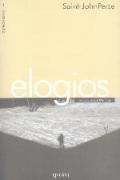
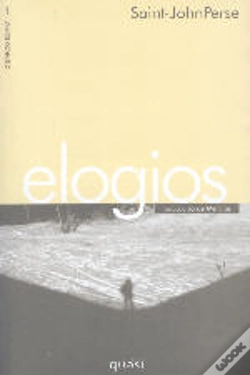
"Elogios", o primeiro livro de Saint-John Perse, editado pela primeira vez em 1911, traduzido por Jorge Melícias. Volume de memorações (da infância, de espaços percorridos), é fulgurante a presença de símbolos como a ilha, o barco, o fogo, em sequências poéticas de larga e intensa respiração e fôlego. A marca da intemporalidade é legível desde logo na figura de Crusoé, solicitada por Perse como símbolo da humanidade, "Livro" vivo, "oferecido aos sinais da noite, como uma mão invertida". Simulta¬neamente herói do tempo perdido e do tempo devolvido, do extratempo no meio do vasto e rápido mundo para a anterioridade da origem: "O que havia na infância que deixou de haver?/ Planícies! Encostas! (...) Crescem os meus membros, e pesam, alimentados pela idade! Para o sonho das crianças não conhecerei outro lugar em que moinhos e canaviais melhor se distribuam em águas vivas e cantantes...". O elogio é precisamente o do encontro do Homem em si mesmo, bebendo da terra, pela terra e na terra o seu sentido como corrente: "e tudo o que se derrama nas macias solidões da manhã./ A ponte lavada, ao amanhecer, com uma água semelhante no sonho à mistura da aurora, faz com o céu uma bela analogia. E a infância adorável do dia nasce mesmo, pela trepadeira das tendas enroladas, à minha canção./ Infância, meu amor, não é senão isto?".
DETAILS
| Property | Description |
|---|---|
| ISBN: | 9789728632885 |
| Publisher: | Quasi Edições |
| Release Date: | April of 2002 |
| Language: | Portuguese |
| Dimensions: | 140 x 210 x 20 mm |
| Cover: | Softcover |
| Pages: | 138 |
| Format: | Book |
| Collection: | O Barco Ébrio |
| Categories: |
Books in Portuguese
>
Fiction
>
Poetry
|
| EAN: | 9789728632885 |
| Recommended Minimum Age: | Not applicable |
ABOUT THE AUTHOR
Saint-John Perse
PRÉMIO NOBEL DA LITERATURA 1960
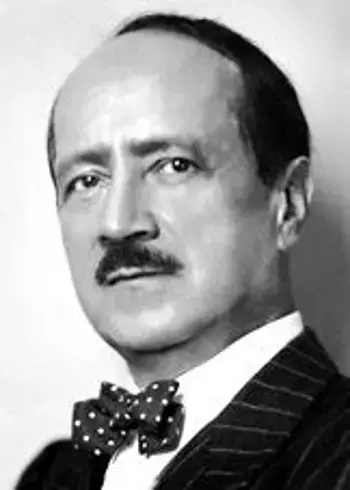
Poeta e diplomata francês, de nome verdadeiro Marie-René-Auguste-Aléxis Saint-Léger, nasceu a 31 de maio de 1887, na Ilha de Saint-Léger des Feuilles. Oriundo de uma família ancestral francesa, que se havia estabelecido nas Antilhas no século XVII, era filho de um advogado e da herdeira de vastas plantações, em cujas veias corria sangue crioulo. Quando contava doze anos de idade, acompanhou os progenitores na mudança para França, empreendida devido a razões económicas.
Estudou na estância balnear de Pau até concluir o ensino secundário, altura em que ingressou na Universidade Bordéus, onde estudou Direito, Filosofia, Estudos Clássicos, Antropologia e Ciências da Natureza, formando-se em 1910.
Também nesse ano publicou o seu primeiro livro, uma coletânea de poemas intitulada Éloges (1910) e tornou-se membro do corpo diplomático. Viajou extensivamente, cumprindo uma missão na China entre 1916 e 1921, durante a qual foi reunindo trechos que apareceram compilados no volume Anabase, publicado em 1924, quando se encontrava já de novo em Paris. A obra, de inspiração clássica, era um longo poema épico que descrevia a fundação de uma cidade por um chefe nómada.
Entre 1921 e 1932, ocupou o posto de secretário ao serviço de Aristide Briand, o vencedor do Prémio Nobel da Paz em 1926. No ano de 1933 foi nomeado secretário-geral do Ministério dos Negócios Estrangeiros francês, mas acabou por ser demitido das suas funções em 1940, por altura da ocupação do país pelas tropas alemãs.
Procurando refúgio na Inglaterra, preferiu transpor o Atlântico e fixar residência nos Estados Unidos da América, onde trabalhou como consultor para a Biblioteca do Congresso. Publicou, então, Exile (1942), obra que consolidou a sua reputação como poeta e que, como o próprio título o indica, girava em torno da ideia do exílio.
Após a publicação de obras naturalistas como Pluies (1944), Neiges (1945), Vents(1946), Amers (1957), Saint-John Perse tornou-se poeta a tempo inteiro. Em 1960 apareceu com Chronique, tendo sido laureado com o Prémio Nobel da Literatura nesse mesmo ano, e em 1962 surgiu Oiseaux.
Saint-John Perse faleceu em Giens a 20 de setembro de 1975.
Saint-John Perse. In Infopédia [Em linha]. Porto: Porto Editora, 2003-2011.
BOOKS FROM THE SAME COLLECTION
-
10%Carreira do FrutoQuasi Edições6,50€ 10% CARD
-
10%Voz ConsonanteQuasi Edições10,50€ 10% CARD
BY THE AUTHOR
-
10%Habitarei o meu nomeAssírio & Alvim17,75€ 10% CARDfree shipping
-
10%Éloges ; La Gloire Des Rois ; Anabase ;ExilGALLIMARD11,61€ 10% CARD