




adicionar à lista de desejos

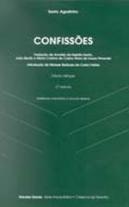
Confissões
Edição Bilingue
Publisher:
INCM – Imprensa Nacional Casa da Moeda, April of 2004 ‧
see product details
OUT OF STOCK OR NOT AVAILABLE
Sell your book
DETeBook com proteção para wookreaderILS
| Property | Description |
|---|---|
| ISBN: | 9789722713269 |
| Publisher: | INCM – Imprensa Nacional Casa da Moeda |
| Release Date: | April of 2004 |
| Language: | Portuguese |
| Dimensions: | 151 x 241 x 58 mm |
| Cover: | Softcover |
| Pages: | 780 |
| Format: | Book |
| Categories: |
Books in Portuguese
>
Social Sciences and Humanities
>
Philosophy
|
| EAN: | 9789722713269 |
| Recommended Minimum Age: | Not applicable |
ABOUT THE AUTHOR
Santo Agostinho
Agostinho cresceu no norte da África colonizado por Roma, educado em Cartago. Foi professor de retórica em Milão em 383. Seguiu o Maniqueísmo nos seus dias de estudante e se converteu ao cristianismo pela pregação de Ambrósio de Milão. Foi batizado na Páscoa de 387 e retornou ao norte da África, estabelecendo em Tagaste uma fundação monástica junto com alguns amigos. Em 391 foi ordenado sacerdote em Hipona. Tornou-se um pregador famoso (há mais de 350 sermões dele preservados, e crê-se que são autênticos) e notado pelo seu combate à heresia do Maniqueísmo. Defendeu também o uso de força contra os Donatistas, perguntando "Por que (...) a Igreja não deveria usar de força para compelir seus filhos perdidos a retornar, se os filhos perdidos compelem outros à sua própria destruição?" (A Correção dos Donatistas, 22-24) Em 396 foi nomeado bispo assistente de Hipona (com o direito de sucessão em caso de morte do bispo corrente), e permaneceu como bispo de Hipona até sua morte em 430. Deixou seu monastério, mas manteve vida monástica em sua residência episcopal. Deixou a Regula para seu monastério que o levou a ser designado o "santo Patrono do Clero Regular", que é uma paróquia de clérigos que vivem sob uma regra monástica. Agostinho morreu em 430 durante o cerco de Hipona pelos Vândalos. Diz-se que ele encorajou seus cidadãos a resistirem aos ataques, principalmente porque os Vândalos haviam aderido ao arianismo, que Agostinho considerava uma heresia.
(see more)BY THE AUTHOR
-
10%ConfissõesINCM – Imprensa Nacional Casa da Moeda44,00€ 10% CARDfree shipping
-
10%A Mentira | Contra a MentiraPaulinas Editora12,50€ 10% CARD
PEOPLE WHO BOUGHT ALSO BOUGHT
-
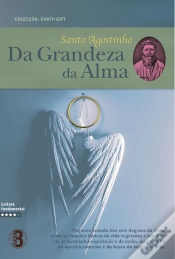
10%Da Grandeza da AlmaLargebooks14,00€ 10% CARTÃO
-
10%Crítica da Faculdade do JuízoINCM – Imprensa Nacional Casa da Moeda23,00€ 10% CARTÃOfree shipping