







adicionar à lista de desejos

Cadernos da Casa Morta
Publisher:
Editorial Presença, May of 2022 ‧
see product details
16,90€
10% OFF
CARD
U3paUlNUTnJURFZKVFZwbGVXSmpkbFp6Ukc5S1NEUk9PWEk1TlVOamJFVTRjbEJ1YmprNVRDODBjblIzYkdscU16aFphRWRTZDJKYVZrRnFTVmN3VFVoTU5VRlRWR2RTTmxGMWVUQktSbk5uYUV0SlNuSklXVWxuU1hNeGVUSkNVWG8xYUVRNWRrbFJOemhrTkRKNmNqZDZhRTl1VlhwdFpFSlNTMkZ5T1ZrNVIxZEZla0YxTTI5Nk5VUlNkbE5tVjBocFJGQm1SVWswZW1wUlNIcGFka2RVTnpsSVlUZDRTbEJPU1VaQ09FNVdXV1pGZG1ZMFJXNDJUMU5HTUdvMmVXdERVRnB4THk5T1dURXdTR2d4TUdkTWJTODNjMmxTYXk5dFNVdEJjVGRYYWpkMGNGRldkMHhWY0dnemNTc3lkamhEY1daamIxZDJPSHB1WjJkdGJreG9WbHBOVjNoUk5VdGpSbWQwUTFBMGRtcEhjMVpDVlZkVGVqTTVWRXhNTlhoS2VFVjNkU3Q1YkROMGMyaFhXblZXT0dobGMxZDFaV2xJZG1wbllsSlNOMk5FU0ZKaWFFcG9WVlZTU1RSd05DdEhVbVpwYWpkRVoweEJTR05EZEhsV2JVUmhWVWM0Y1RWck5HWkRWV1UyWXpnM1NYaGhjbnBHWTNaQ1dURjFabUpyV21odVNHOUNhSEFyZFRGcFVFdHdabkl5ZDBRNFMxVkZhWHBXTWtGNFNXZHhXQ3RNVEVNNGJFUlpOVTVRTm5WSU56UmxUV2w0T1U1aGJtVXZUMHBKZDI5M1QydHJSVkJrVGxCVGNtOVVWVGt3V2xac2JpczNha1ZPTUZSMlNVbFdkMjVLUWxNMmVHZEJOa3B3YTFOdU4yMWFWblpUVkdWcVlWRXhlamgzUlRad0wzcDRZbVF2TlRCTVFXdHZWMVYwYmxSWlVuVlBORFo1UjNkdWFXZDJkMGMyTW5ocmVHUnVLMUYzWVhWc1ZuQmtiazlTU0ZGc0wyWkZPVzk1T1ZGcVdsaEhhWGhtVUdWSU9EWm9aekZTYjJFME5pczBTVGMxVjJKbVIxcHVUbHBCZFRWUmFqbHVPVkpuU2tFd0sySkZSRlpOZWxRM1FrOTFOakp0ZEZRMWRsUm5NMnM0Y0RONldFTjFkRVpoWWt0emFubEtZbTFTTUdWdVdpdDBjbGhHUW5GelNrWmhhbVZFWlVGTFNsZFNhSGd5TlV4T1Jub3ZaMkZ3TW00MldIcGFkMGRGY3k5MFQyUnBUMjUyY0ZOaFFVdEJWWFoyVUZNMlZ6WTNiamRXUkRWM1dtMHpWRmRWUFE9PTpSWWI2KzlDUC9QRUtjakMxb09HWjVBPT0=
IN STOCK
-
free shipping
SYNOPSIS
Publicado pela primeira vez entre 1860 e 1862, Cadernos da Casa Morta reflete uma realidade dantesca, em que presos políticos, prisioneiros de guerra e presos de delito comum vivem lado a lado com homens que perpetraram crimes hediondos.
É um mundo absolutamente à parte, com regras próprias, onde o quotidiano se reparte entre trabalhos forçados, castigos sádicos, miséria, mercado negro, álcool e pequenos expedientes de que os prisioneiros se servem, não só para sobreviverem, mas para alimentarem a ilusão de liberdade.
É um mundo absolutamente à parte, com regras próprias, onde o quotidiano se reparte entre trabalhos forçados, castigos sádicos, miséria, mercado negro, álcool e pequenos expedientes de que os prisioneiros se servem, não só para sobreviverem, mas para alimentarem a ilusão de liberdade.
DETAILS
| Property | Description |
|---|---|
| ISBN: | 9789722368988 |
| Publisher: | Editorial Presença |
| Release Date: | May of 2022 |
| Language: | Portuguese |
| Dimensions: | 151 x 233 x 16 mm |
| Cover: | Softcover |
| Pages: | 288 |
| Format: | Book |
| Collection: | Obras de Fiódor Dostoiévski |
| Categories: |
Books in Portuguese
>
Fiction
>
Romance
|
| EAN: | 9789722368988 |
ABOUT THE AUTHOR
Fiódor Dostoiévski
Fyodor Dostoevsky (Moscow, 11.11.1821 - St. Petersburg, 09.02.1881) was one of the great precursors, like Emily Brontë, of the most modern form of the novel, exemplified in Marcel Proust, James Joyce, Virginia Woolf among others. The son of a military doctor, at the age of 15 he was sent to the Military School of Engineering. of St. Petersburg. There he awakened his literary vocation, when he came into contact with other Russian writers and with the work of Byron, Victor Hugo and Shakespeare. After finishing his engineering degree, he dedicated himself to making translations to earn a living and made his debut in 1846 with his first novel, Poor People. After a few more literary attempts, he was sentenced to death in 1849, for implication in a suspected revolutionary conspiracy. However, his sentence was commuted to hard labor in Siberia. During his years of exile he had an inner life of a mystical character, as he was forced to live with the harsh Russian reality, which also led him to become familiar with the unsuspected depths of the soul of the Russian people. Amnesty in 1855, he resumed his literary activity and in 1866, with Crime and Punishment, he marked the break with the liberals and radicals to which he had been connotated. Dostoevsky's works reach maximum prominence for their psychological analysis, especially of morbid conditions, and for the author's complete imaginative identification with the degraded characters he gave life to, having, from this point of view, no rival in world literature. The accuracy and scientific value of his portraits is attested to by the great Russian criminalists. In this great novelist, the desire to suffer brings as a consequence the search for and acceptance of punishment and the conception of punishment as redemptive through pain.
(see more)BOOKS FROM THE SAME COLLECTION
-
Noites Brancas10%Editorial Presença12,90€ 10% CARD
-
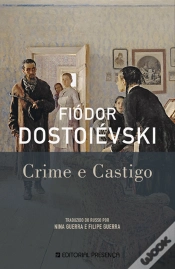
Crime e Castigo10%Editorial Presença22,90€ 10% CARDfree shipping
BY THE AUTHOR
-
Noites Brancas10%Editorial Presença12,90€ 10% CARD
-
White Nights10%PENGUIN BOOKS LTD6,76€ 10% CARD
PEOPLE WHO BOUGHT ALSO BOUGHT
-
O Cisne Negro10%Relógio D'Água14,85€
16,50€free shipping -
Ressurreição10%Editorial Presença21,90€ 10% CARTÃOfree shipping