


adicionar à lista de desejos
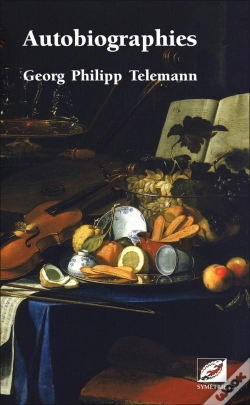
Autobiographies
language: french
Publisher:
SYMETRIE, June of 2013 ‧
see product details
13,43€
10% OFF
CARD
ZUUweU0wSkpjbEJHYTJONk0yWnpNVXhsTW5ZMVNpdHhTMFo2ZUZORGJGTjJXVFZwUTJjclNHRlBkR0ZMZEdsek56TjJMMDFxWlZCeGNUZHVPR0ptTkhWMlNEUjVWQzlYUWsxTWJXVXZlRFZhYlVZelluZzNMMDF3YWtod1ZHWm1Wa1ZZYUZCYVJsUnRlalpEV0hkUlFtOW5iV2g0UkRSa2RtWTNWMGsxUWpCblJFTmFlamRxZVhWS1FUTkpXRUk1ZVhwbVdFNUdTMDl4VDJWU1NrSmtOMDlxVUd0QlQwSnljM1pxZFRsWWRWUm5kU3RNTWk5SVFUbHFabVpUY1UxSWFUTm1hV3N4ZW5RelYzcHVjbTk0U0VoWVpuazJNbEl4ZEVKRmVrMHJjRGc0V21vMFJFdFBUbEpvZWtGaWNXMHdXbGsxVVd3NFIzWmljbkJKT1VGNmRrWlZOV2hKYlZCRlJFTk9jVmw0YmsxUlJVVTJlV3RIYVZWQk1qZHphRnBNZWxScVZWQk5hVzVZVVUxMVdEaE5UMWxUUzAxdE5XdEJSREZ4Y1VWS2JXZHdhRGhHY0RaMFpFMUJjMmt5WjFscFdWazNUV0Z1U1Zvd1FqQmpjR1JNWTBOQlYxZGFXU3RCTVRGWFpIUkJkVVZyZEZFMFJHSXJaMWd5ZG5wV2RYTllOMEoxTmxWSFFqUlFiSHB5TVc1Vk1WRXJObWRDT1dOb0szbGlWSGxOZVd0M2RFeDRNblZpZGpobFVrRnJZa05pTkc5dU5ubElVVmRMWVdJNGRXTkliRFZKVTFReldUUnBkVU5GVERsUFkyWmlPRU5pTmxKSFRsazBOaXRXZG1OWFVITlNRbVZhV1ZCamRVdHJSWGcyTkRSbFRteDJZVVJCV0hNM2VVSnRSR2h1UWtvd1pWY3liblZuYUROT05GRlNSQzl5YW5wemN6RnNaekZwVFhSbWNXZE9iRkUwVG1aaVMyODNaRlZyY0docksxUkRTRUUxV1RSQ0wydHNRemsxVlZjMU1EaElhams1VDFWc0swcFBXVXRPYlZCVVpIZFRhamRrZUdsdk1XUkpaekZNVVVVelEyeFNReTlzZFdvdk5UbEpWa1JKVm5SRk5VMW1abGRWVGxka1NEWXlOM0JyZVdocVExQldjR2x1T0dGYVZVY3ZWVnBGYlc0eFNDOXBUVWRZS3l0aGVESk5SRmhoZVhGQlF6TjJWalpJWnl0WmR5dG9TMU52VG5CUlZFZFRORXhIZG5Oc2IyNURjalJVUVU5VVduRTRjVzhyTkdSMWRGVmplbEZoWm1GSFJHYzBWR1VyVTFScllVaHNXbVZoVkVSWVZra3llbG8wVm13ejpXQm40OG83Lzd0UHIxWmVFSWRMVm5RPT0=
SYNOPSIS
Au cours de sa vie, Telemann a rédigé trois autobiographies à la demande de ses amis musiciens. La première, écrite en 1718, est complétée d'une lettre truffée de poèmes en différentes langues, de sa propre plume, et de citations. Telemann y décrit dans un style humoristique ses expériences de musicien jusqu'à son arrivée à Francfort-sur-le-Main. La deuxième reflète brièvement sa carrière et présente un catalogue d'?uvres plus conséquent. Elle est commandée en 1729, alors qu'il a quarante-huit ans et s'est fixé définitivement à Hambourg. Elle paraît en 1732 dans le Musikalisches Lexikon de Johann Gottfried Walther. Lorsqu'en 1739 Mattheson demande une troisième autobiographie, qui paraît en 1740 dans sa Grundlage einer Ehrenpforte, Telemann a cinquante-huit ans et peut alors faire le bilan d'une activité bien remplie.
DETAILS
| Property | Description |
|---|---|
| ISBN: | 9782914373906 |
| Publisher: | SYMETRIE |
| Release Date: | June of 2013 |
| Language: | French |
| Pages: | 96 |
| Format: | Book |
| Collection: | Derniers Tours Ecn + |
| Categories: |
Books in French
>
Social Sciences and Humanities
>
Sociology
|
| EAN: | 9782914373906 |
ABOUT THE AUTHOR
Georg Philipp Telemann
Georg Philipp Telemann (1681–1767) foi um dos compositores mais prolíficos e influentes do período barroco, cuja música abrange uma vasta gama de estilos e formas musicais, incluindo óperas, oratórios, concertos e música de câmara. Nascido a 14 de março de 1681, em Magdeburgo, Alemanha, Telemann foi uma figura central na música alemã do século XVIII, e sua obra foi amplamente reconhecida durante a sua vida, sendo comparada à de compositores contemporâneos como Johann Sebastian Bach e George Frideric Handel.
Telemann teve uma formação musical bastante diversa, inicialmente estudando direito na Universidade de Leipzig, mas foi a música que o atraiu. Sua formação musical foi autodidata, e ele rapidamente se destacou como compositor e mestre da música, reconhecido por sua habilidade em diversos estilos e formas. Ao longo de sua carreira, Telemann teve uma grande produção, composta por mais de 3.000 obras, o que o coloca como um dos compositores mais prolíficos da história da música.
Uma das maiores características da obra de Telemann é sua capacidade de incorporar uma ampla gama de influências musicais de diferentes regiões da Europa. Ele foi fortemente influenciado pela música francesa, italiana e polonesa, criando um estilo cosmopolita que refletia as tendências musicais da época, mas também exibindo uma personalidade única na sua música. Telemann foi um compositor extremamente versátil, e sua música transita por diferentes estilos, sendo particularmente notável por suas composições orquestrais e de câmara.
Entre as suas obras mais conhecidas estão "Tafelmusik" (1733), uma coleção de concertos e suites orquestrais que se tornou uma das suas obras mais populares. Tafelmusik é uma obra de grande importância no repertório barroco, destacando-se pela sua riqueza harmônica e inventividade, com uma série de movimentos que mostram a habilidade de Telemann para criar contrastes e dinâmicas emocionais. Outras obras importantes de Telemann incluem os concertos para flauta e os concerto grosso, bem como sua música vocal, como os oratórios e cantatas, que continuam a ser apresentadas nas igrejas e teatros de todo o mundo.
Telemann também foi um inovador no campo da música instrumental, particularmente no que diz respeito ao desenvolvimento do concerto. Sua série de concertos e suites orquestrais ajudou a estabelecer o concerto como uma forma importante da música barroca. Além disso, Telemann teve um papel significativo no desenvolvimento da música para instrumentos de sopro, especialmente a flauta e o oboé, sendo responsável por muitas composições que ampliaram as possibilidades técnicas desses instrumentos.
Durante sua vida, Telemann ocupou diversos cargos importantes, como cantor e compositor na cidade de Hamburgo, onde foi diretor musical da Opera de Hamburgo e, mais tarde, diretor da Câmara Musical de Hamburgo. Sua carreira em Hamburgo permitiu-lhe ter uma grande influência sobre a música na Alemanha e em toda a Europa. Telemann também era conhecido por ser um grande amigo e colaborador de outros compositores famosos da época, como Johann Sebastian Bach e Georg Friedrich Handel, embora sua música tenha sido mais acessível e popular em seu tempo do que a de Bach, que inicialmente não teve o mesmo reconhecimento.
A música de Telemann caiu em parte no esquecimento após a sua morte, mas foi redescoberta no século XX, e hoje ele é amplamente reconhecido como um dos grandes mestres do barroco. Seu trabalho ajudou a pavimentar o caminho para os desenvolvimentos musicais que levariam ao estilo clássico, com sua ênfase na clareza melódica, no uso de contrastes dinâmicos e no desenvolvimento de formas musicais que se tornaram fundamentais para a música ocidental. Georg Philipp Telemann continua a ser lembrado por sua contribuição imensa à música barroca, e suas obras são frequentemente apresentadas em concertos e gravadas por intérpretes de todo o mundo.
BOOKS FROM THE SAME COLLECTION
-
10%La Centrale Indémontable ; Petite Histoire Explosive Du Nucléaire FrançaisMAX MILO16,43€ 10% CARDfree shipping
-
10%Le Coran Et La ChairMAX MILO21,94€ 10% CARDfree shipping