



adicionar à lista de desejos
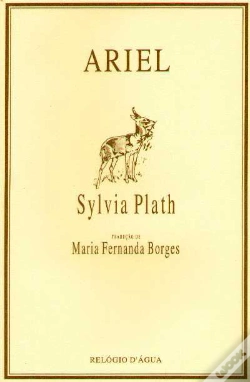
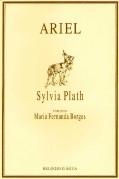
Ariel
Publisher:
Relógio D'Água, November of 2008 ‧
see product details
OUT OF STOCK OR NOT AVAILABLE
Sell your book
SYNOPSIS
«Ariel» inclui alguns dos mais importantes poemas de Sylvia Plath, escritos no período que vai da edição do seu primeiro livro de poesia em 1960, até ao seu suicídio três anos mais tarde. Exprimem com notável intensidade e rigor os seus sentimentos ao longo de um período difícil da sua vida.» «Se estes poemas são desesperados, e destrutivos, são também ternos, abertos às coisas, e invulgarmente inteligentes, irónicos e atentos… São obras de uma grande pureza artística e, apesar do seu niilismo, de uma grande generosidade… Este livro é um importante acontecimento literário.» The Observer Sylvia Plath (1932-1963) passou a infância na Nova Inglaterra. O precoce desaparecimento do seu pai de origem alemã, os problemas psiquiátricos, a ligação com o poeta Edward Hughes e a sua morte com apenas 31 anos, foram acontecimentos que marcaram a sua obra e a análise que dela tem sido feita.
DETAILS
| Property | Description |
|---|---|
| ISBN: | 9789727083220 |
| Publisher: | Relógio D'Água |
| Release Date: | November of 2008 |
| Language: | Portuguese |
| Dimensions: | 138 x 209 x 12 mm |
| Cover: | Softcover |
| Pages: | 174 |
| Format: | Book |
| Categories: |
Books in Portuguese
>
Fiction
>
Poetry
|
| EAN: | 9789727083220 |
ABOUT THE AUTHOR
Sylvia Plath
Sylvia Plath nasceu em Boston, Massachusetts, a 27 de outubro de 1932. Teve uma breve, intensa e agitada vida, tendo escrito poesia, um romance, contos e um diário.
O pai, Otto Plath, de origem alemã, trabalhava como professor de Biologia na Universidade de Boston, onde conheceu e casou com uma sua aluna, Aurelia, a mãe de Sylvia.
Em 1935, nasceu o segundo filho do casal, Warren. No rescaldo da Grande Depressão, a família deslocou-se em 1936 para Winthrop, Massachusetts, onde Sylvia passaria a maior parte da sua infância.
Aos oito anos, Plath publicou o seu primeiro poema na secção infantil do Boston Herald. Otto Plath morreu pouco depois dessa publicação (Sylvia haveria de escrever sobre a ambígua relação que tinha com ele o poema «Daddy»).
No seu primeiro ano no Smith College, Plath tentou suicidar-se com uma overdose de narcóticos, o que levou ao seu internamento numa instituição psiquiátrica. No verão do seu terceiro ano de estudos universitários, Sylvia Plath deslocou-se um mês para Nova Iorque, colaborando na revista Mademoiselle.
Nada disso a impediu de ser uma estudante brilhante, formando-se com louvor aos 23 anos. Obteve mesmo a bolsa Fulbright para frequentar a Universidade de Cambridge, em Inglaterra, onde continuou a escrever poesia. É então uma jovem mulher de maneiras educadas e espírito rebelde.
Em fevereiro de 1956, conheceu, na festa de lançamento da St. Botolph’s Review, o poeta Ted Hughes, com quem casaria quatro meses depois. É um encontro fusional e de uma intensidade fulgurante.
Entre julho de 1957 e outubro de 1959, o jovem casal viveu nos Estados Unidos, tendo acabado por se fixar em Boston, onde Sylvia Plath assistiu aos seminários de Robert Lowell e conheceu a poeta Anne Sexton. Atravessando dificuldades materiais, Sylvia tem mesmo de trabalhar num hospital psiquiátrico.
Com a gravidez de Sylvia Plath, o casal regressa a Inglaterra, em 1959, fixando-se em Londres e mais tarde na pequena cidade de North Tawton, em Devon. Em 1960, nasce Frieda e, dois anos depois, Nicholas. O primeiro livro de poemas de Sylvia Plath, The Colossus, é publicado em Inglaterra em 1960 e, dois anos depois, nos Estados Unidos. Em fevereiro de 1961, Plath sofre um aborto, que seria um tema recorrente em vários dos seus poemas.
No início dos anos 60, a relação com Ted Hughes entra em crise, sobretudo devido à relação deste com Assia Wevill (Ted Hughes daria a sua versão do que se passou em Cartas de Aniversário, e Assia, esposa de um poeta canadiano, haveria de se suicidar com a filha em 1969). O casal separa-se em finais de 1962. É no inverno que se segue à separação e num período depressivo que Sylvia escreve Ariel.
Plath regressa a Londres com os filhos, alugando um apartamento em Fitzroy Road, onde escreveria um romance semiautobiográfico, The Bell Jar, sob o pseudónimo de Victoria Lucas. Sente-se isolada e deprimida.
Na manhã de 11 de fevereiro de 1963, nevava sobre Londres e o frio era intenso. Sylvia Plath suicida-se com o gás do fogão, tendo antes tido o cuidado de proteger os filhos.
BY THE AUTHOR
-
10%The Bell JarFaber & Faber13,51€ 10% CARD
-
10%DiáriosRelógio D'Água28,50€ 10% CARDfree shipping
PEOPLE WHO BOUGHT ALSO BOUGHT
-
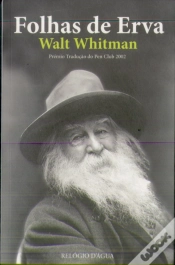
10%Folhas de ErvaRelógio D'Água28,27€ 10% CARTÃOfree shipping
-
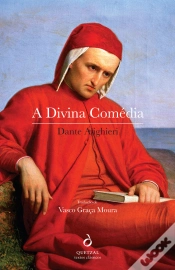
10%A Divina ComédiaQuetzal Editores24,40€ 10% CARTÃOfree shipping