
adicionar à lista de desejos
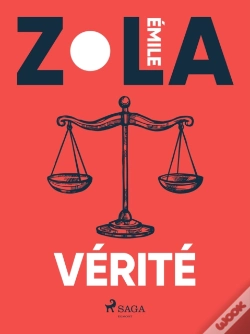
Vérité eBook
language: french
Publisher:
Saga, Lindhardt Ringhof A/S (FR), December of 2022 ‧
see product details
3,96€
10% OFF
CARD
WjJSWWN6SlJXa2c0Y1ZJek0zWnlSRGhNZUdrck5IWXJZUzlPVFRGeVlsaEpNR04xV0VGc1ExVlhabTloYjBSWmNYRTRXaTlCVlhjMVIwaHRPVXN3TlVoR2QzaFZlVWhMT0Uxck5WQk1WV3MxVlRsc1pHSndXWFF6ZGpaSE4wa3JVak5ETm1KMFFqRm9iemRpZW5GaVVVczRiSEpaTHpObGN5dHhjSEpaTVdwdmRuUmxTVU5IWlZVdlRUTllVamgyY1dKSE0wMW9NekkwYW1kWFVuQmxTbGt2ZVZsS1RsaFJhSFJwUzJjMFl6SlRiR3RLT0VNNFNXSlhWM1JtVUcxd1QycHBNQ3RqUWs0MFowWjRjVTVaUVVJMlZHMUdRM0J0YWs5Sk1teDVNR1pDYlZGTVJuTjVXV3Q0UkdWRVFUazNWR2x4VmxwV1F6TjJURGRrVkZsa01XZFdSVE54UmprMWFWZE5NR3hwYlZkT01FTm5TVGxzV25vd1VVRlphakZvWTBKRFozZHVUVU5rTTFZMWNrUTNRMlp4YjBoc2FEZGFXSFF3YzNWWVFrdzBkekpzTmpoa09VMTFSM3ByUVZsSGJDdHBhRzlZY1dZM1dIQllObEJFVFZGaU1qVXhRbFJvVEVwSU9UTnZSMW8wUlM5WFFqWndhMm8zVnl0UEx6ZHNjRGRQV25sbE56azVNMnczTjJ4bVdrUnpTRE5uY3pkSGNYcDBja2xtYVROaVJGVkNjMmgzVERKemRrMVlTMFV6YzJvMGRXNDRSRWRsYTB4aVUwcDFRekYyUVRaV1RFVjJRMnBUVFVaSlR5OW1WakJwYVhVMVZUaEdiRUl3ZVhrMWNWRXJVRGxvVm5oYWJqSlFhRlUyVml0NVNTdGtTbUlyYzFKa1dsa3lkalJ6Y0ZKR2NFdE9WWGxsZHl0Rk5WZ3djVUZTUjAxdWRGQlJaWHBSVDBkUU0xUjVjVEZWVjB0bllsSTJlSGd5V25OalIyeHhZa3RWV21KWE0zcExaVXRNTmxOQ1VteEhRbTlqWmxOblJGTkhkMk5zTW10UmIzVjVZalZuYWxST2VUUk1jbkJKZWxoSVpraEdhWHBZU1hFekx6bGxhM0JKTVNzNVRIbERTMEZ6WWxONVdEbFBZM05TVmpsMGFHZG1ZakkzU0VrM2NHeFFXa1F5U3pCMFRVVm1lUzlFTW5Ob1FpOVdORmxIVkc5M1VsbzFOazkzUWpGaU5rdGtVa0oyTWt4UlRsazBjRU51Tld3MFUyOWlNemRtWm5SUE0yZHNhVkZsVm5Sa2RGUmpSMVZKT0VvMWFISk9hRlk0UFE9PTpuZkd0TlpDWGl5L2NpQ00yN1hWb1RRPT0=
IMMEDIATE AVAILABILITY
Ebook for ADE
SYNOPSIS
Dans l''école laïque de Jonville un enfant a été violé et tué. Simon, un instituteur juif, est accusé puis condamné. Son collègue Marc Froment lutte à ses côtés pour rétablir la vérité. Mais l''ensemble du clergé truque les preuves, influence la justice, et ment pour discréditer les écoles laïques et pour protéger le vrai criminel, un frère des écoles chrétiennes.Troisième de la série inachevée de Zola « Les Quatre Évangiles », rédigé lors de la séparation de l''Église et de l''État, « Vérité » illustre le combat entre laïcité et religion. Paru au lendemain de la mort de l''auteur dans L''Aurore, Zola s''impose en défenseur d''une minorité injustement persécutée.
DETeBook com proteção para wookreaderILS
| Property | Description |
|---|---|
| ISBN: | 9788726730456 |
| Publisher: | Saga, Lindhardt Ringhof A/S (FR) |
| Release Date: | December of 2022 |
| Language: | French |
| Format: | eBook |
| Categories: |
eBooks in French
>
Literature
>
Fiction
|
| EAN: | 9788726730456 |
| Acessibilidade: | Ver características de acessibilidade indicadas pelo editor |
ABOUT THE AUTHOR
BY THE AUTHOR
-
10%NanaPublicações Europa-América6,90€ 10% CARD
-
10%Therese RaquinPENGUIN BOOKS LTD13,51€ 10% CARD