
adicionar à lista de desejos

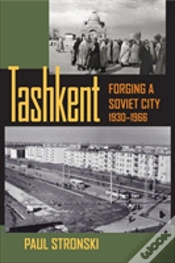
Tashkent eBook
Forging A Soviet City, 1930-1966
language: english
Publisher:
UNIVERSITY OF PITTSBURGH PRESS, September of 2010 ‧
see product details
59,61€
10% OFF
CARD
VjNwTmFqbEVWVmxSUml0VFFUTXJjRk13ZGt4bVRsZGFkREpIWmpObU4xUklkVWxVZEcxMFNrcFJSMFZ6VkRSUFp6QXpibFJYTWxWSVJFVnRZM296U0ZWSFdWbGtZbVZvUjJZeFNHVkJaVXhQUW1kdFNFc3ZNM3BsVEd0TVlVNHlVMngyVlZvNVdWUnNlRzR6ZVVGWFZXcGlOVTltYzBkalNqVTBWMlFyUm1GdGEzUXlRVWcyTkdSb1FYSnhUM1ZOY0RKdWVXZFlOV2RQY20xMlZYbEZUVlZEU0d0cGNreG1kalZEYlhCbWVpOVFUVVJVZFdwdVprUnJkVFptZVhWSFVFVmFWVTFGVkdwclNrOWlaVlJQUjA5UE1HdFBkMVl5Tm5aTmVWcHNiMnRoUkc5MFZVcFlaR3BIVWt0T1FXZElLM2t5TWk4M1FuUk5ZVkk0SzBobGNHOU5jV0ZvZGpOSFYyOVJha2MyWlVwd2NXVjNiVm8yWldGcmRFNTNkekJUVFhocksxQmxURVUzYTJSRmMybGFVekUzWVRGblRWTnpTRTVQVFZKcGNIVXpiR2hRVWxkYVVIQXhTVzR3ZUVack5rRktlakphVG1KV01IRnlXakJFTkVaVU0wY3ZPVXB3UWxSYU9YZHFhazF2TW5OVFNYTkJPWEIxWm1sU2MwNW1NemxHWWtOeWNHVnhOMk1yTlRBdk9EZGFNRkprWm5wTFZ6aG1kMGxCYXpZNFIybDFjemc1TTFZek1ubG9XRWczTjFobGNGUkhSek5LUms1QlJtRnJOQ3RUUjNnM1lqZG1SM0JhYW5relUwbG9iRmt4Um5Cb05IRlFNM0o0ZGt4U2NHUkVjbnBJV25CNVNVSnNhMXBDZFc4M1Z6QjVXSFJzWW5aRVRWQlZUMjR3YWxCT2MwczNlWGw1ZERCb1RIZG5jVFUzUkZReWRuaGFZV1phVjI5dllUUm1UblZSVVZRNFVuWkJialpESzFJdk1qRklVMWxHWVhsV1VHeGhUV0UzZFUxbVMzVk1NamxFUVhZNE9EWnNRV1VyVTI5RFdWZGxSV3BuSzBWSE1qWXJXR2xxUkdScE9HTllja0ZWTm1ndlNHTkhNbTB4WVhoUk5VY3dSVGM1YkdKVWRsUnNUamxDVUUxR2JrMWhNM0JJU2xKb2N6ZENXa042Y0VWTk5VbHJlVmxLUkVVME1sWXdaV05DZHpkb0t6bExXalpMZVRZNFlrNUZaR1pKWlM4NU5HMHhWVkpFVW5KNWVVRnlNREZYTjFndlptbEVNMU5EZW5WbVdHRmlVblpzTkc1R2RWUlJVMFpKUFE9PTpvbGRPZGVBTSsxYmJmbnlaSDdQM1dnPT0=
IMMEDIATE AVAILABILITY
Ebook for ADE
SYNOPSIS
Paul Stronski tells the fascinating story of Tashkent, an ethnically diverse, primarily Muslim city that became the prototype for the Soviet-era reimagining of urban centers in Central Asia. Based on extensive research in Russian and Uzbek archives, Stronski shows us how Soviet officials, planners, and architects strived to integrate local ethnic traditions and socialist ideology into a newly constructed urban space and propaganda showcase.
The Soviets planned to transform Tashkent from a "feudal city" of the tsarist era into a "flourishing garden," replete with fountains, a lakeside resort, modern roadways, schools, hospitals, apartment buildings, and of course, factories. The city was intended to be a shining example to the world of the successful assimilation of a distinctly non-Russian city and its citizens through the catalyst of socialism. As Stronski reveals, the physical building of this Soviet city was not an end in itself, but rather a means to change the people and their society.
Stronski analyzes how the local population of Tashkent reacted to, resisted, and eventually acquiesced to the city's socialist transformation. He records their experiences of the Great Terror, World War II, Stalin's death, and the developments of the Krushchev and Brezhnev eras up until the earthquake of 1966, which leveled large parts of the city. Stronski finds that the Soviets established a legitimacy that transformed Tashkent and its people into one of the more stalwart supporters of the regime through years of political and cultural changes and finally during the upheavals of glasnost.
The Soviets planned to transform Tashkent from a "feudal city" of the tsarist era into a "flourishing garden," replete with fountains, a lakeside resort, modern roadways, schools, hospitals, apartment buildings, and of course, factories. The city was intended to be a shining example to the world of the successful assimilation of a distinctly non-Russian city and its citizens through the catalyst of socialism. As Stronski reveals, the physical building of this Soviet city was not an end in itself, but rather a means to change the people and their society.
Stronski analyzes how the local population of Tashkent reacted to, resisted, and eventually acquiesced to the city's socialist transformation. He records their experiences of the Great Terror, World War II, Stalin's death, and the developments of the Krushchev and Brezhnev eras up until the earthquake of 1966, which leveled large parts of the city. Stronski finds that the Soviets established a legitimacy that transformed Tashkent and its people into one of the more stalwart supporters of the regime through years of political and cultural changes and finally during the upheavals of glasnost.
DETAILS
| Property | Description |
|---|---|
| ISBN: | 9780822973898 |
| Publisher: | UNIVERSITY OF PITTSBURGH PRESS |
| Release Date: | September of 2010 |
| Language: | English |
| Format: | eBook |
| File Format and Compatibility: | |
| Collection: | Central Eurasia In Context |
| Categories: |
eBooks in English
>
History
>
General History
eBooks in English > History > History of Asia eBooks in English > History > History of Europe eBooks in English > Tourist Guides and Maps > Europe |
| EAN: | 9780822973898 |
| Acessibilidade: | Ver características de acessibilidade indicadas pelo editor |
BOOKS FROM THE SAME COLLECTION
-
eBook10%Bukharan CrisisUNIVERSITY OF PITTSBURGH PRESS35,76€ 10% CARD
-
Polygynous Marriages Among The KyrgyzUNIVERSITY OF PITTSBURGH PRESS53,44€free shipping
-
TashkentUNIVERSITY OF PITTSBURGH PRESS57,94€free shipping