


adicionar à lista de desejos
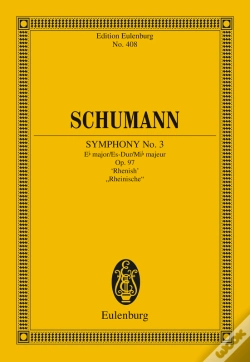
Symphony No. 3 Eb Major eBook
Op. 97, "Rhenish"
language: english
Publisher:
EULENBURG, May of 2017 ‧
see product details
13,99€
10% OFF
CARD
UW1ONVNuUkVaMk00TTBSYVNVWXZjVVZYUWxJd0wwMVZPR3RGWkZBelNrZHVURWhUWjB0NmVYRmhZbVoxUW5KeFEwRlRPWFZpWVVsaGRFRlFXR2hIU0ZCM2FsbExhVzkyUkZocVZXeFpXbGgxYTNaT00yUlFhVzFtUmtzM1NFMHhUSE56ZFRkdVdXNW1XbkU0ZGtaNWIwaFVTMjV1Vm05elIyeFdTbU5PVDBWUU1YcHBNRWswZEV4eWNFdENTSEY2T1RFdk5YQXlXVzl5T1VORVREVkdUR0ZYWjFwWk5HaHJVRXBHWjJaTE1EQmlaWEowVVRsM2REUkNURlpMTWtob1NtSkRjbmx3V2xacEsyeGxlRlYwVFc5d1ltZG5LMjRyZG1aUWEzUlBTbVZyYVVsMGF6VnRlVmhVTXpZM01IcFNUVXRRSzJwWU5rdE5XSEo0TjNwYWEzSjFaV1pQYTJGdFRscEhTM1k1TmpoR1QycG1TMng2VG5sc1VVOXhTMHAyTDNsc2VUbEVNRGhaYVZGNFYydDViVVF5YUdKdGJFMTRiRWhwWkVZcmVVRnRaMlpJZFd4eU1FOUpNbWN3UkdkeU1ISk1NVU5LWnpZd2VURkRNR3QxYjA1MFJWTjFSMGswVDBKMFlpOUdXbEpyZUZCNmJFMXRkV1JCUWpSTFoxcEtTMVl4YVd4bldtUTBTelZvY1V0eGRFbE1VR3hvWldKUGFYQkxlVlZ6T1ZoeVVqbHNMMFZ2UlZKUWNuSnNTSGd3TkRaU2NDODFiVEU1VlRSaVltWjNkRzlxUm5KVGJVTXpXamRFWkcxWFVXVkJNME5MTldKalp6Qm9VSEZLWkc1bWJsaGhMMWh6TnpGUFMwZHVZa3hWUmtScFozWTNTMEl2YVZOSFEzSkhXa1pXVERoa05HeFZkVmRXVldzMGVHdFJjRVpuTmxOUWNGaHNXbk42VG1Jdk56VXhNblF6TTFCQ1RXUlRaR0p1Wkd4MFl6WnVTM2RtV2tFM00yaFFNRzVGU21WU1pTOVNlalE1UXpOQkwyZDZRM05KYUVwTE9XUnpNakpNVGpOdmRrODBPRlJQY0daMVIxVTNaazVvYUVoRVVFVndRbVJOUVdGeWJHMTRibkZKV0dOaWN6QTBkM0F4VUhKa1lVRlZiV3BGWjNkMWRERnBkbGRvWlhBdmIwUm5aemxFZWt0RWVXeDNSaTl3VGs5bVZWSk1aMHhRV0ZoWloxRXJlRTFhVW5oSlYyTndLelkwV1VGT1lqQkVWbWxuUTJWelNrbGpZa1JVVTJWSFExTTBVa2QwWkZkcGRERnVTSFp6UFE9PTpQU05SNG9nbHlNTXNmTWdDMmFPYVp3PT0=
IMMEDIATE AVAILABILITY
Ebook for ADE
SYNOPSIS
Over 200 works of the well-known Edition Eulenburg series of scores from orchestral and choral literature, chamber music and music theatre are now available in digital format. You can now enjoy the yellow study scores digitally with one click in excellent reproduction quality.
Über 200 Werke der berühmten Edition Eulenburg Partiturreihe für Orchester- und Chorliteratur, Kammermusik und Musiktheater sind nun auch in einer digitalen Aufbereitung erhältlich. In optisch hervorragender Darstellung kann man die gelben Studienpartituren mit einem Klick jetzt auch digital genießen.
DETAILS
| Property | Description |
|---|---|
| ISBN: | 9783795713553 |
| Publisher: | EULENBURG |
| Release Date: | May of 2017 |
| Language: | English |
| Pages: | 204 |
| Format: | eBook |
| File Format and Compatibility: | PDF para ADE |
| Categories: |
eBooks in English
>
Art
>
Music
|
| EAN: | 9783795713553 |
ABOUT THE AUTHOR
Robert Schumann
Robert Schumann was one of the most important composers and music critics of the nineteenth century, born on June 8, 1810 in Zwickau, Germany, and died on July 29, 1856 in Endenich, near Bonn, Germany. Schumann is widely recognized as one of the central figures of musical romanticism, and his work is known for its deep emotional expressiveness, rich melodic inventiveness, and its exploration of music as an extension of literature.
Schumann began his career with ambitions to become a virtuoso pianist, but a hand injury forced him to abandon that idea and concentrate on composition. He studied music in Leipzig, where he was a student of Friedrich Wieck, whose talent and guidance helped him develop his skills. Schumann later married Clara Wieck, Friedrich's daughter, who was an exceptional pianist and also an important inspiration for his music.
Schumann was a prolific composer, writing works in various genres, including chamber music, symphonies, concertos, and a vast amount of songs (lieder). The year 1840, known as Schumann's "year of songs", was particularly productive, during which he composed more than 150 lieders. Among his most famous song cycles are Dichterliebe (1840) and Frauenliebe und-leben (1840), which are landmarks of the vocal repertoire, known for the way Schumann combines music with poetry.
In the field of orchestral music, Schumann is remembered for his four symphonies, especially Symphony No. 1 (Spring) and Symphony No. 3 (Rhineland), which demonstrate his ability to combine classical form with a romantic spirit. He also wrote important works for piano, such as the Carnival (1835), Kinderszenen (1838), Kreisleriana (1838), and Fantasia in C Major (1836), which are some of the most representative pieces of musical Romanticism.
In addition to his career as a composer, Schumann was an influential music critic, founding the Neue Zeitschrift für Musik magazine in 1834. Through this publication, he promoted and championed the work of emerging composers such as Johannes Brahms, who would become one of his closest friends.
The last years of Schumann's life were marked by serious mental health problems, which led to his being committed to an asylum in 1854, where he spent the last two years of his life. Despite his personal challenges, Robert Schumann's legacy continues to be celebrated, and his music is considered a deep expression of the romantic soul, combining passionate lyricism with a rich palette of harmonic colors and musical textures.
BY THE AUTHOR
-
El Baile De La Liga De David10%Editorial Pre-Textos15,60€
17,33€free shipping -
Consejos Para Jóvenes Músicos10%A. Machado Libros S. A.12,13€ 10% CARD