



adicionar à lista de desejos
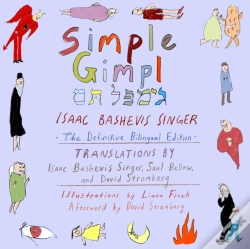
Simple Gimpl eBook
The Definitive Bilingual Edition
Book
eBook
language: english
Publisher:
Restless Books, March of 2023 ‧
see product details
14,56€
10% OFF
CARD
U25jNE5FaFFRWFJ2YWtGNmJESmpkV1JMY20xYVQweHVhMHBxTTBGaU0wdDFZbGhtYlhKbGRWQXlORXBVVG1GSkszQTJRemhZYms4d1owWTFaMlZrUmtkc1FqSmxiVEpKS3poNVpHMUJXRnBXVmtneFpqQjJjMjVLTW5OWVNYUTFTa1pKYml0MFdVcEpURE50WjNVd1ZIQmpkM3BTYUc5VmNWWlJWMVpETDFsSVRWTTRTVzR2ZEhCS00zcGhZVnBLYTJkUE5qSkliRGhVWWxneldrNTNLMVpwYkc5MVRXWlNjbWxqWlROblUyaENVVXgyUm5wdlVrbzFjVXc1T0ZJNEwzcEpSVTA1VUZSYU9YaENNRGd3YzFkaldHNUJRM0JJVDJZNFdIWjFWbXc1Tm01NVVtbEpiMlZMWlVWUlUyNUdOMkl2WnpkMU9GVkdWbFJMVG5OR0sycHBUV2w2Y0ZSbGNuSmxUMkphUzNOaFoyRlZUMlZYY0VOSU1FMUJla2RZY0RWdFNIUXllSEEzVVZWQllUQnBVR2gxTUdWM1RscDFWMGxWVlhsTFlVWlNWME5RUVU5M2IwNWtTMmt5UjFVMlMwdHJhSE4zVkdkaFJVTm9SVVpIVmpSTmVsaHpTMlJXT0doT0x6UllZMWhYV0U5UVNFSXJhalZLT1daTlQwTnRTRlZxVVdNclltaGFXWFZFY1M5V01sWXJXSEZrT1VGTlZXZEVVR0p5Ykc4NVIyUnVLMmxJYTFWNE5VbFViRmhuVkdoUmNsWmxlVFJpV0hOblVEVmpTamxRYUZWVGEycHZOV2QyT0RoNWMyYzRORFJ4VVU1UlRIWnVhMk56UlM5akswSkNORkZ0Y3pkNVkzTnRSVXA0WTNKU1IzWkJjVTlrTlRaTVFrOWhWbXBCU2s0clFWWk5hM051WW1sb1ZVOWxZMGR1YW1KUE5ESm9VMWx0Y1RneVRFMHZjbkpUV1hkbFVqQm1Oak15U2xOQk1tcFpSVXhLTWxneVkwSnBLMU5UUlhWQ1dqSmxSbWg0UlhOdFlsY3dPVVJXTTFkSFpVeHBXR3ROUTFsaVJIVnZkbk50YXpONVZsVXpTVEpTYjBkdGNuUnhiM0pDU2xCeWEyczRLMWQxVjJsMmFIbzBaMUJQY0hVeVlrZzNXbEprZGs1MVpYaFpUR1pGYTBKemVGQktSR1p0VFU4eGNXZHRibmxVYTAxbWVEZG1kWGxMTlRoblYxbHNkSGRMVXpCblVVdEtZVXRyVjJKRmRFSktlRFJFWkRoRFZUTndZbkIzUm1GalMwdDZabkZHT0dOWlRIcDVlWFpSUFE9PTovb0l3TWhkcjh4MEN5M092dGhlcWZRPT0=
IMMEDIATE AVAILABILITY
Ebook for ADE
SYNOPSIS
A gorgeously produced, bilingual edition of Nobel Prize laureate Isaac Bashevis Singer''s canonical story about a hapless yet charmingly resilient baker named Gimpl, who resists taking revenge on the town that makes him the butt of every joke. Singer''s original Yiddish appears alongside his own partial translation, now completed and edited by writer and scholar David Stromberg, and the 1953 translation by fellow Nobel laureate Saul Bellow. With illustrations by Liana Finck and an afterword by David Stromberg.
Isaac Bashevis Singer’s "Gimpl tam" was published on March 30, 1945, in the Yiddish-language journal Idisher kempfer, about a month before the Nazi surrender. It tells the deathbed confession of an orphaned baker from the town of Frampol who is targeted by his community for ridicule and practical jokes. About seven years later, Singer was invited by Irving Howe and Eliezer Greenberg to include "Gimpl tam" in their Treasury of Yiddish Tales, and Howe asked Saul Bellow to help with the translation. It was finished in a single sitting and published in 1953 in The Partisan Review as "Gimpel the Fool"—the version that has since been canonized. Yet, unlike every other major work of Singer’s published in his lifetime, the author had no involvement in the English translation.
In 2006, Joseph Landis, editor of Yiddish, published a draft play script titled "Simple Gimpl," made by Singer directly from the Yiddish original—the closest extant rendition of the story in the author’s own translation, and covering a majority of the tale. Now, writer, translator, and literary scholar David Stromberg has completed Singer’s translation with an aim to address some of the criticism directed at Bellow’s version. Strikingly, the story’s title and opening sentence make a distinction between the Yiddish "tam," or simpleton, and the "nar," or fool. Gimpl may be considered simple by others, but he is nobody’s fool. Through Singer’s lightly ironic tone, we see that "Simple Gimpl" is not the story of a fool, but rather one of self-deception and of the personal cost of blind faith. By the end, Gimpl is no longer a simple man, but someone who has accepted the complexity of his life and faith.
DETAILS
| Property | Description |
|---|---|
| ISBN: | 9781632060624 |
| Publisher: | Restless Books |
| Release Date: | March of 2023 |
| Language: | English |
| Format: | eBook |
| File Format and Compatibility: | |
| Categories: |
eBooks in English
>
Fiction
>
Fiction
|
| EAN: | 9781632060624 |
| Acessibilidade: | Ver características de acessibilidade indicadas pelo editor |
ABOUT THE AUTHOR
Isaac Bashevis Singer
PRÉMIO NOBEL DA LITERATURA 1978
Escritor norte-americano de etnia judaica, Icek-Hersz Zynger nasceu a 14 de julho de 1904, em Leoncin, na Polónia, e faleceu a 24 de julho de 1991. Filho de um rabino, acompanhou a família na sua mudança para Varsóvia, quando contava apenas quatro anos de idade. O pai mantinha a esperança de que Isaac se viesse também a tornar um rabino, pelo que o educou nos preceitos tradicionais judaicos, dando-lhe a ler a lei talmúdica e textos aramaicos.
No ano de 1920 ingressou no Seminário Rabínico Tachkemoni, mas logo abandonou os seus estudos, mudando-se para uma aldeia típica judaica, Bilgorai, onde ganhou o seu sustento dando aulas de Hebraico. Ao fim de três anos regressou a Varsóvia, para junto do irmão, um escritor que o encorajou e lhe deu emprego como revisor de provas no Literarische Bleter, onde era editor. Singer começou então a fazer traduções, versando para o Iídiche autores como Thomas Mann, Knut Hamsun e Erich Maria Remarque.
O seu romance de estreia, Der Sotn In Goray, foi publicado pela primeira vez na Polónia em 1932. Utilizando um estilo que remontava ao das crónicas judaicas medievais, foi escrito originalmente em Iídiche, e contava a história da vinda de um falso messias no século XVII.
Em 1933 passou a trabalhar como editor-associado da publicação Globus e, em 1935, tornou-se correspondente estrangeiro de um jornal diário. Nesse mesmo ano separou-se da família e decidiu emigrar para os Estados Unidos da América, fixando-se em Nova Iorque. Deu início a uma colaboração com o jornal Forverts, impresso nos Estados Unidos em idioma Iídiche. Adotou a cidadania norte-americana em 1947.
Em 1950 publicou Die Familje Moshkat, o seu primeiro romance a ser traduzido para o Inglês. A obra fazia parte de uma trilogia que descrevia a saga de uma família judaica, continuada com os dois volumes Der Hoyf In Forverts (1952-55), versados para a língua inglesa com os títulos The Manor (1967) e The Estate (1969).
Der Kunstnmakher Fun Lublin apareceu em 1960, a que se seguiram, entre outras obras de sucesso, Der Knecht (1962) e Shosha (1978), ainda em Iídiche e, em tradução, When Schliemmel Went To Warsaw and Other Stories (1968), escrito para um público infantil, Enemies, A Love Story (1972, Inimigos, Uma História de Amor) e The Penitent (1983).
Em 1964 foi eleito membro do Instituto Nacional das Artes e Letras norte-americano, tornando-se no único a escrever numa língua estrangeira e, em 1978, foi honrado com o Prémio Nobel da Literatura.
Isaac Bashevis Singer. In Infopédia. Porto: Porto Editora, 2003-2011.
BY THE AUTHOR
-
A Cabra Zlateh e outras histórias10%Kalandraka15,50€ 10% CARD
-
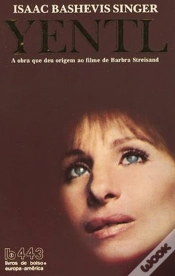
Yentl10%Publicações Europa-América7,90€ 10% CARD