


adicionar à lista de desejos
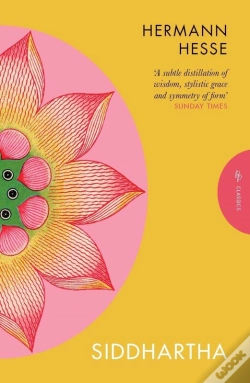
Siddhartha eBook
Book
eBook
language: english
Publisher:
PUSHKIN PRESS, August of 2023 ‧
see product details
1,31€
10% OFF
CARD
VEhGclJISlJOek5oUkdZM1VIVlJSMUJKVnpacVNqRnlUVzkwWlcxUE5HUk1aM1o2ZWpaWWNXMVZZVFF4VUZGVlRGWXJiR2sxU1dsNFUyWk9ZakJ1U1RKMk1EQkthRlZpY1hOUldYTkpNRlp1T1V4ckwwczJlUzlaV0Vsb2RETmlUMmxUTDFFd1lXaFBablJ3WTNCaFJsbG1UbU1yUVZZeFpWbE9NMDB4VUVKUlFWSkRUbkJ1VldGVGMzUTBXVzlRUVZKTk9UaDNNVlJDU1VOc2FHVjVPREV5SzI1eGIwRkpWM0ZyZUhZeFEwSlVlR3ROV2s1V1VsWkdVbXhVWWpGb1Zqa3plamRITms1cmNHbE1ZM05FV0hGVE1EUmtWRmc1YTNCUVEwZ3hUSHBRT1hVd1oxSjRRVmxDUW5CdVpXMDVVazlZY0ZWeVJsVjVZVWMyV1dGSldscEtWbmxUTHpsemRrSnVVSEJPUkRoM1VEaG5lVE5FVFZkU2FUWk5jbVJFTUVOS2VXeEplWHBQUVhaWWJGbHViREZJYUU5WVdrUnlPWGgxY3pFMmNVdE9ZbXBNVGtSRldGUllaR1pXTDBaWlVGRmhZVU50TDI1NmNuWlRiM0Z3VEdWcVFtcFVWRmRMT0ZOMWREWjJjVE4xUVdweVdUbFBibFZKUVUxcllVUnNNMFJHUTNGaVpsaHJTbFoyTVVsbUsxb3hhR1JWU1hSQ1IwODRWVTVuUzNWSGJGRnpXRUpSTWk5SWJESXpUR2RGV1dOWVNHSTFkRkJ3VjBVM2FVUnRlR05rT1dVMFoyWkhXRUp3YkRoWmQwMXhiR0ppWlc4eU1rSlJPVmRrVjBSVlVFeGlUM3BLWTFwSFFWQXpNVTVxY0ROR09EQk5la2hsUkVZdlQxTkxRek41TVdwb1RsWTJjSEp6V1hSbVJXRkdNM0JhTVVKbGRVMDFNRmROY2tOQ2NITk5kRXBDZG1aRGVVUnJjWGhZTDI4dlZuSlhOVnBJWlRNME5WZHZkbWx3U1c1bFJrZHNZbE0wUW5WVFpsWXZZamhxUmpsbFNuRmtNVFp6ZDI1U1ltWjRlWE5zZFZkYWNqbFNNR2xqT1RkaFRFWkRlVXBWU1RkUVpEZERVbk5qZWtKRWNHNHlVMlJVVm14NlIwTmpZbk14VFVsSmJuWnhURWRIYTNCR2RHcEZiWFEwYWpnMlpXeE5Nakp3Tm1zd2VqSTJRV2N2THpWNU9ESXlhRWRQVlRSRWVXZFBTQ3RPWjNaT1VUSXJkbUYzWVhsa1ltWXpiREpUZDNKTVZrcGFjM1JPYkdsT1FsQk9PVXBKUFE9PTo5Y2Z2Z3RLRHdwNlFkcG5maEVwa1RRPT0=
IMMEDIATE AVAILABILITY
Ebook for ADE
SYNOPSIS
An inspirational, influential classic from Nobel-Prize winner Hermann Hesse, Siddhartha is a beautiful tale of self-discoveryDissatisfied with the ways of life he has experienced, Siddhartha, the handsome son of a Brahmin, leaves his family and his friend, Govinda, in search of a higher state of being. Having experienced the myriad forms of existence, from immense wealth and luxury to the pleasures of sensual and paternal love, Siddhartha finally settles down beside a river, where a humble ferryman teaches him his most valuable lesson yet.Hermann Hesse''s short, elegant novel, echoing the life of the Buddha, has been cherished by readers for decades as an unforgettable spiritual primer. A tender and unforgettable moral allegory, it is an undeniable classic of modern literature.
DETeBook com proteção para wookreaderILS
| Property | Description |
|---|---|
| ISBN: | 9781805330202 |
| Publisher: | PUSHKIN PRESS |
| Release Date: | August of 2023 |
| Language: | English |
| Format: | eBook |
| Categories: |
eBooks in English
>
Fiction
>
Fiction
eBooks in English > Faith & Religion > Buddhism and Shintoism |
| EAN: | 9781805330202 |
| Acessibilidade: | Ver características de acessibilidade indicadas pelo editor |
ABOUT THE AUTHOR
Hermann Hesse
PRÉMIO NOBEL DA LITERATURA 1946
Romancista e poeta alemão, Hermann Hesse nasceu em 1877 na pequena cidade de Calw, na orla da Floresta Negra e no estado de Wüttenberg. Como os pais depositavam esperanças no facto de Hermann Hesse poder vir a seguir a tradição familiar em teologia, enviaram-no para o seminário protestante de Maulbronn, em 1891, mas acabou por ser expulso. Passando a uma escola secular, o jovem Hermann tornou a revelar inadaptação, pelo que abandonou os seus estudos.
Hermann Hesse começou depois a trabalhar, primeiro como aprendiz de relojoeiro, como empregado de balcão numa livraria, como mecânico, e depois como livreiro em Tübingen, onde se teria juntado a uma tertúlia literária, "Le Petit Cénacle", que teria, não só grandemente fomentado a voracidade de leitura em Hesse, como também determinado a sua vocação para a escrita. Assim, em 1899, Hermann Hesse publicou os seus primeiros trabalhos, Romantischer Lieder e Eine Stunde Hinter Mitternacht , volumes de poesia de juventude.
Depois da aparição de Peter Camenzind, em 1904, Hesse tornou-se escritor a tempo inteiro. Na obra, refletindo o ideal de Jean-Jacques Rousseau do regresso à Natureza, o protagonista resolve abandonar a grande cidade para viver como São Francisco de Assis. O livro obteve grande aceitação por parte do público.
Em 1911, e durante quatro meses, Hermann Hesse visitou a Índia, que o teria desiludido mas, em contrapartida, constituído uma motivação no estudo das religiões orientais. No ano seguinte, o escritor e a sua família assentaram arraiais na Suíça. Nesse período, não só a sua esposa começou a dar sinais de instabilidade mental, como um dos seus filhos adoeceu gravemente. No romance Rosshalde (1914), o autor explora a questão do casamento ser ou não conveniente para os artistas, fazendo, no fundo, uma introspeção dos seus problemas pessoais.
Durante a Primeira Guerra Mundial, Hesse demonstrou ser desfavorável ao militarismo e ao nacionalismo que se faziam sentir na altura e, da sua residência na Suíça, procurou defender os interesses e a melhoria das condições dos prisioneiros de guerra, o que lhe valeu ser considerado pelos seus compatriotas como traidor.
Finda a guerra, Hesse publicou o seu primeiro grande romance de sucesso, Demian (1919). A obra, de caráter faustiano, refletia o crescente interesse do escritor pela psicanálise de Carl Jung, e foi louvada por Thomas Mann. Assinada nas primeiras edições com o nome do seu narrador, Emil Sinclair, Hesse acabaria por confessar a sua autoria.
Deixando a sua família em 1919, Hermann Hesse mudou-se para o Sul da Suíça, para Montagnola, onde se dedicou à escrita de Siddharta (1922), romance largamente influenciado pelas culturas hindu e chinesa e que, recriando a fase inicial da vida de Buda, nos conta a vida de um filho de um Bramane que se revolta contra os ensinamentos e tradições do seu pai, até poder eventualmente encontrar a iluminação espiritual. A obra, traduzida para a língua inglesa nos anos 50, marcou definitivamente a geração Beat norte-americana.
1919 foi também o ano em que Hesse travou conhecimento com Ruth Wenger, filha da escritora suíça Lisa Wenger e bastante mais nova que o autor. O escritor renunciou à cidadania alemã, em 1923, optando pela suíça. Divorciando-se da sua primeira esposa, Maria Bernoulli, casou com Ruth Wenger em 1924, tendo o casamento durado apenas alguns meses. Dessa experiência teria resultado uma das suas obras mais importantes, Der Steppenwolf (1927). No romance, o protagonista Harry Haller confronta a sua crise de meia-idade com a escolha entre a vida da ação ou da contemplação, numa dualidade que acaba por caracterizar toda a estrutura da obra.
Em 1931 voltou a casar, desta feita com Ninon Doldin, de origem judaica. Com apenas quatorze anos, havia enviado, em 1909, uma carta a Hermann Hesse, e desde então a correspondência entre ambos não mais cessou. Conhecendo-se acidentalmente em 1926, foram viver juntos para a Casa Bodmer, estando Ninon separada do pintor B. F. Doldin, e a existência de Hesse ter-se-à tornado mais serena.
Durante o regime Nacional-Socialista, os livros de Hermann Hesse continuaram a ser publicados, tendo sido protegidos por uma circular secreta de Joseph Goebbels em 1937. Quando escreveu para o jornal pró-regime Frankfürter Zeitung, os refugiados judeus em França acusaram-no de apoiar os Nazis. Embora Hesse nunca se tivesse abertamente oposto ao regime Nacional-Socialista, procurou auxiliar os refugiados políticos. Em 1943 foi finalmente publicada a obra Das Glasperlernspiel, na qual Hesse tinha começado a trabalhar em 1931. Tendo enviado o manuscrito, em 1942, para Berlim, foi-lhe recusada a edição e o autor foi colocado na Lista Negra Nacional-Socialista. Não obstante, a obra valer-lhe-ia o prémio Nobel em 1946.
Após a atribuição do famoso galardão, Hesse não publicou mais nenhuma obra de calibre. Entre 1945 e 1962 escreveria cerca de meia centena de poemas e trinta e dois artigos para os jornais suíços.
A nove de agosto de 1962, Hermann Hesse veio a falecer, aos oitenta e cinco anos, durante o sono, vítima de uma hemorragia cerebral.
BY THE AUTHOR
-
Towel offer10%SiddharthaBIS5,95€ 10% CARD
-
10%Viagem ao País da ManhãCavalo de Ferro13,65€ 10% CARD