

adicionar à lista de desejos
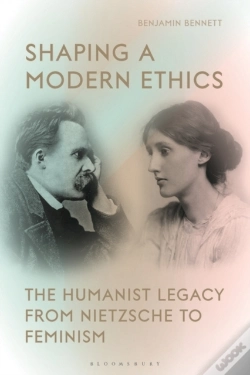
Shaping A Modern Ethics eBook
The Humanist Legacy From Nietzsche To Feminism
language: english
Publisher:
BLOOMSBURY PUBLISHING, February of 2020 ‧
see product details
39,34€
10% OFF
CARD
VVhOVGFVSm5hR1YwTmpkUU5uQlVNM0ZYVldaTmVuTXdaek4yVGpabVEwMTVhRU5oVTFkdmVURndWVTQ1ZUdneVVFb3lkaTg1Ym10UE5XSnRSMjVsTjBSclJtbHJaMEVyYm5aQ2JEQlpLM04zY0RKcVRUSnBSRE5QWkVFMlptOTVWMk5xUms5S01IaG5iMjAxV25rME1XNTRRalJDWVVSNmNsZE5NaXRWYkhoeEx6SmpTRVowVUZwVE1VWnFUVEpTVG5SMGJuWjZNMVEzV1dOUVpsSjNaVU5HVW5kSmMyaEVaa1ZwU1ZKYVVYTjZhbTVCU0hCdlQwOU1UMFoyTlRGVk0zVTFNRzVqYTFWbVlTdGllV2swTVRKT1NXRlNUVWRETlVWRk5IZE5UMFV4V205QlUxSlBaUzlVVkRWaWVGSk9USEV3UlhONFl6VkdhRWQzTUhFME1tUkpOV3B4Ym5ZeEwyeHlWbkJqWW5CUFZtcGxNakpGUWxGT2RGSjRaMEZUYTNKV1luUmhiMEZNZFdVNVMxTjVja3BIYVVKaFdVVXlZMHRKT0hoTGRIUnNNSGMyVVRKeVExRjVaREIyU1doTFNXZzBNVVpTWkhoemJuSTNlRk5oT1VwRU9VVmpRM0ZYY0Rsak5IQkxlREJGVVd4b1JVZ3hPRzVWY0dzdmVuTXZSRFU0ZVdrNVVFeFlhelV2Y1Zjd01YTjVlbmhDTW5ObFVtTXlNVWM0ZWxwVVFuaFJVbkozZW1Gd1NGQlhaSEZpWm1Zd2RuVXhTa3RTZVhCalYxYzBZVXhYYXpWWlVHUlBUMDl2WlVobE1rcFZNbE0wV1ZsTWVFUjNWR2NyWVZWQ1NXTkJhWFZJYmpobVdXSkRRWEZXVEZsRlNVMURkbVp0TVdaRU4wdEpOMlk1ZVU1TU9HcHdNRFpPUkROeFQxbFVha3BsVFdKdmJYSjJNVGROU1hSbk5UUllkMEpGVG1Kc09IbFNXRE5JVTBGeWNYUTFPVWhQUVdoeFdFWjZkbGR5VTBSV2NHNVhha3hzYWtkcVJHMTZjQzl0TW1scVZWSkpja0pYY210TFlXWmphVE13VHpFMWVrczVZelpVZVc5emRGUTNOUzl4Y2xsb2JXUXhaWGQ0VjJ4Q1VreFBabFozZFdaNVZscFJPWHB0Ym1NMGFtOWpPR1J5SzNFelFsRjRlRGhCT1U1bVMzQmtXalJLZUhkaWRUUk1Za1J1ZFhSb1YxQnhOV1pDTjBOdlNuSlpRamxPYWtodmVubDNOQzlPTWsxVGJVdFlXRUl3VFN0Mk9HMTZkWGwyWXpJcldDczJkMFEwUFE9PTpGdERpSEs4YWNYTHpPRDZhMXhDUHdBPT0=
IMMEDIATE AVAILABILITY
Ebook for ADE
SYNOPSIS
Is there any such thing as a single ethical system to which all human beings could conceivably subscribe?
The short answer is no; and most people, being tolerant, would probably agree with this answer. Yet most people, precisely in being tolerant, also subscribe to an idea of "human rights" which presupposes just such a universal ethics.
This basic question of ethics is similarly treacherous when approached on a higher technical level. Specialists have long recognized that Kant''s categorical imperative is neither theoretically nor practically tenable. But efforts to revive and repair the Kantian project-including especially the monumental work of Jürgen Habermas-have all themselves been theoretically questionable, while developing a complexity that makes them impractical.
Must we then simply do without ethics in the sense of a universal ethical method?
By way of a close study of literary and philosophical texts, from Freud to Machiavelli, Benjamin Bennett shows why the failure of a universal or propositional ethics is indeed unavoidable. He uncovers a modern non-propositional ethics that cannot be grasped in a single theoretical move but can only be approached as a collection of instances of a modern ethical "we", three key examples of which Bennett explores in this book:
- The "we" of irony, whose speakers share a strictly preter-verbal knowledge which is concealed in their actual utterances
- The insistent exclusive "we" of a group that has neither its own physical locality nor even a clear intellectual identity, comparable to the "we" of Jews in the diaspora
- The "we" of feminism, a separate "we" from that embracing people who happen to have been born women.
The short answer is no; and most people, being tolerant, would probably agree with this answer. Yet most people, precisely in being tolerant, also subscribe to an idea of "human rights" which presupposes just such a universal ethics.
This basic question of ethics is similarly treacherous when approached on a higher technical level. Specialists have long recognized that Kant''s categorical imperative is neither theoretically nor practically tenable. But efforts to revive and repair the Kantian project-including especially the monumental work of Jürgen Habermas-have all themselves been theoretically questionable, while developing a complexity that makes them impractical.
Must we then simply do without ethics in the sense of a universal ethical method?
By way of a close study of literary and philosophical texts, from Freud to Machiavelli, Benjamin Bennett shows why the failure of a universal or propositional ethics is indeed unavoidable. He uncovers a modern non-propositional ethics that cannot be grasped in a single theoretical move but can only be approached as a collection of instances of a modern ethical "we", three key examples of which Bennett explores in this book:
- The "we" of irony, whose speakers share a strictly preter-verbal knowledge which is concealed in their actual utterances
- The insistent exclusive "we" of a group that has neither its own physical locality nor even a clear intellectual identity, comparable to the "we" of Jews in the diaspora
- The "we" of feminism, a separate "we" from that embracing people who happen to have been born women.
DETAILS
| Property | Description |
|---|---|
| ISBN: | 9781350122871 |
| Publisher: | BLOOMSBURY PUBLISHING |
| Release Date: | February of 2020 |
| Language: | English |
| Pages: | 216 |
| Format: | eBook |
| File Format and Compatibility: | |
| Categories: |
eBooks in English
>
Faith & Religion
>
Morality and Ethics
|
| EAN: | 9781350122871 |
| Acessibilidade: | Ver características de acessibilidade indicadas pelo editor |
-
10%Aesthetics As Secular MillennialismASSOCIATED UNIVERSITY PRESSES67,58€ 10% CARDfree shipping
-
10%Aesthetics As Secular MillennialismASSOCIATED UNIVERSITY PRESSES148,71€ 10% CARDfree shipping