

adicionar à lista de desejos
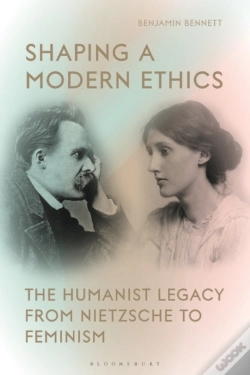
Shaping A Modern Ethics eBook
The Humanist Legacy From Nietzsche To Feminism
language: english
Publisher:
BLOOMSBURY PUBLISHING, February of 2020 ‧
see product details
39,34€
10% OFF
CARD
WkhoUllXTjZNWFl5Y0dwTFkwTTFiR1JXUTFsaGJWUmlkVWQzVkVVM1N6aEtVWHBTTldacGJXODRhemxsYjFwSFIzUmpSRTluWkU4M01XMWhWa2hqU2xGWGJtaE1lRmcwUVhOemJUUjNSMjQxYTBWU1ZUZDBhMWhRZFRKR2RXRjFXR05vUkhwd2JUWkVVbmx5VTNkaE1FNUxXVTlVTTBaaWIwMDNOMXBWT0V4Sk9YQkZSV2xDZDBSc1QwVnJiblZoV0dSa1dtZGlMMjVYWkVwb2VHNWxUbkp2YUM5WlRXOTFjVXhKUWpsRlZIVnNZa2huUVV4eVlVOWtRbVZXUkV0aWFXRTFjMkV4T0ZJcmFEaFpUbVY1VTNkSmJIZG5VMDVyVTBGeWRsTnZjVUo2YzB4eGFqUTJibmh5Y2xBeVdUSTBkamt3YzJwRFdXVXJXRE00ZG5kdlFYSTRWMDFzV0VoRk1FcEpNRVY0VkhaSGMwRmlZbTR4WVhNeVkyNTJhbHBsWVhVNWRFZEVVRkJGZVZkUWVEbGpUWHBGTVZWRmRtRlVNakoxVWxJM1RVaHdXRXgyWkVaR1RVRk9TMjF3VlhaNEx6UktVa0kyTDFGbmNsTktkMGhFV0hOVGJISkhVemNyV2pjNFl6WmhWSEU0UkdGRFQzcFNTRVJZT0hSRldXeHhiVzVCV0VGWlNsVk5VMVY1ZEhkb1JuRkljRmcxTmxGMVlWSm9Va0ZUY1ZOSldIRlVjRVp4U0ZGc1NIRmlMMlUxTTA0MlNsazVRemh3TUhoekswWTFaRlJyYzA1NVNVcEJXRWRwVjBjM2NqRXJkMGszYTNsTmNtWmpabVUxSzFaRVVVcHdNbEk0UVRoMFNESlVha0ZCYlVSSlQwSTBVMGxPVkhsU0swTkRhRlphYm1rdlJtUjFXVmxrWTNaSWFHTkJSVXRMUlRJNVFtMXZTVVpLSzI5UWNuWXdaalZITUhoWFVGWndiekJCTVhCYU16aEZXRTVrVFZWMVlXUk9Va1EwVUN0RWRFRlRZMmxUY1VKS1ExWTBZekpOU0hBM05tWkhOWE4yVkVWNVdIbHpWRmhDTjJGS1RFY3hVVk5LYkVsb2FUaERSVFIzSzBkUFRuQTRabkZyZWpsVE9VeFBjbFo2ZEZkMVdqWjVRekZYUlRNMVEwY3lVR1ZHTTFaelVqZEZXRzE1VjJreWIyaE9WM042Y0dveFVtNURSSGdyT0VWa1dYSjZXRk55U0VjdksySk1SVzR6VFVac1QyWndXRkJpZEROTmVVSlVhbkZrUlc4MGNuaG5hbmhUWkcwMGRqbEJMemhuUFE9PTpLYnc4V3NKZWExMVZ4ZFRhbjZJVG5BPT0=
IMMEDIATE AVAILABILITY
Ebook for ADE
SYNOPSIS
Is there any such thing as a single ethical system to which all human beings could conceivably subscribe?
The short answer is no; and most people, being tolerant, would probably agree with this answer. Yet most people, precisely in being tolerant, also subscribe to an idea of "human rights" which presupposes just such a universal ethics.
This basic question of ethics is similarly treacherous when approached on a higher technical level. Specialists have long recognized that Kant''s categorical imperative is neither theoretically nor practically tenable. But efforts to revive and repair the Kantian project-including especially the monumental work of Jürgen Habermas-have all themselves been theoretically questionable, while developing a complexity that makes them impractical.
Must we then simply do without ethics in the sense of a universal ethical method?
By way of a close study of literary and philosophical texts, from Freud to Machiavelli, Benjamin Bennett shows why the failure of a universal or propositional ethics is indeed unavoidable. He uncovers a modern non-propositional ethics that cannot be grasped in a single theoretical move but can only be approached as a collection of instances of a modern ethical "we", three key examples of which Bennett explores in this book:
- The "we" of irony, whose speakers share a strictly preter-verbal knowledge which is concealed in their actual utterances
- The insistent exclusive "we" of a group that has neither its own physical locality nor even a clear intellectual identity, comparable to the "we" of Jews in the diaspora
- The "we" of feminism, a separate "we" from that embracing people who happen to have been born women.
The short answer is no; and most people, being tolerant, would probably agree with this answer. Yet most people, precisely in being tolerant, also subscribe to an idea of "human rights" which presupposes just such a universal ethics.
This basic question of ethics is similarly treacherous when approached on a higher technical level. Specialists have long recognized that Kant''s categorical imperative is neither theoretically nor practically tenable. But efforts to revive and repair the Kantian project-including especially the monumental work of Jürgen Habermas-have all themselves been theoretically questionable, while developing a complexity that makes them impractical.
Must we then simply do without ethics in the sense of a universal ethical method?
By way of a close study of literary and philosophical texts, from Freud to Machiavelli, Benjamin Bennett shows why the failure of a universal or propositional ethics is indeed unavoidable. He uncovers a modern non-propositional ethics that cannot be grasped in a single theoretical move but can only be approached as a collection of instances of a modern ethical "we", three key examples of which Bennett explores in this book:
- The "we" of irony, whose speakers share a strictly preter-verbal knowledge which is concealed in their actual utterances
- The insistent exclusive "we" of a group that has neither its own physical locality nor even a clear intellectual identity, comparable to the "we" of Jews in the diaspora
- The "we" of feminism, a separate "we" from that embracing people who happen to have been born women.
DETAILS
| Property | Description |
|---|---|
| ISBN: | 9781350122864 |
| Publisher: | BLOOMSBURY PUBLISHING |
| Release Date: | February of 2020 |
| Language: | English |
| Pages: | 216 |
| Format: | eBook |
| File Format and Compatibility: | PDF para ADE |
| Categories: |
eBooks in English
>
Faith & Religion
>
Morality and Ethics
|
| EAN: | 9781350122864 |
-
10%Aesthetics As Secular MillennialismASSOCIATED UNIVERSITY PRESSES67,58€ 10% CARDfree shipping
-
10%Aesthetics As Secular MillennialismASSOCIATED UNIVERSITY PRESSES148,71€ 10% CARDfree shipping