


adicionar à lista de desejos
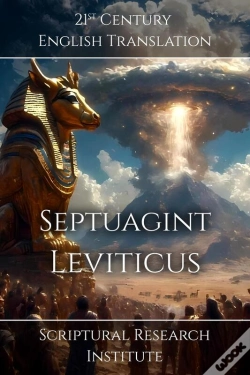
Septuagint - Leviticus eBook
language: english
Publisher:
Digital Ink Productions, August of 2020 ‧
see product details
4,79€
10% OFF
CARD
T0VzMllVdDZjRVIwYlRVNU1VcFRZMjl4Ym5oeE0yTldOMVJDVWtKelRqSjBVVGRGTDJRNVQwb3JZVzF1Wm5kU0wwdFpSR0V2Ylc5VlZtTlNaSEpIWVRGeFVVMXBXa05RWVV0WE9Ia3pka2g2VlVFNFNEUnZNa0ZSWWpOdFVWQnJOMFJCUlhsTk0yVm1aVUp2Wm1oRlFsRXdVMG93Ym5FdlkzWkxjVTQ1VlZoVmRtTXZTRUpxYmt0SFMycHNTMU5xV1dOSWJqRklTWFZIVGs1VGVsWkxTRnB2YVZveE5HdDBiR1JWVWxGaVRqbDZObmhEWkRoblIyVTVZbTVuUnl0WU4ybDFVamxFYTNFMFltbHpTa2RXVVVkd1UzbHBSelZWVDI1b05WZGxUMVpKYkdscFlVcFRTV3BQT1c1R09UaERaWGszU1VKTlZsVjRkWEZIUlVOS1oyaENlRUZ4T0hFeVVtOVdOeXQ2VlVGelVIcE5ha3BtY1Roc1p6aHNXbFZ2TVZrMVJVRkdlbFpoVTNSbWIyTkxjMnRWYTFwelVuZGhSRkJSUkhkQ1NFTkNaVGM0YURneE1tSnpWWHByV2tZMmRHZE5VWFp6WnpkQmRtOWhlRTQwTW1kbE9FdDFSbkpLT1doWlR5c3JOMDlZVkVrdk1GQmlVR1YxYWtoNFp6RnplV3B3Um5CMFJFdEhNbVJWYVhkeVkweGFUV3MyTDJGbU4yaFdPWE4zZFhkV016aENhMHRaVVZOMVdWTkVaM1p2Vmtzd05rTk5TVXhzTjBWc1NrZHFkelJ3YW5ZclYxbG1aRXRxTTNweU5tRnNOMVZYVDBnelRGVjZkbmRTVGpKRGMzaGxRM3BKVFVaNVMybEZNMEZNY0hsTFpXUXhjRFJZTWxwbmNWSnFibTVuUXpBMVdWbHdVV2RIVWt0UU5tTXpXakJ5WTJOUmRqRkNhVk5DVDNST1EycDNSWGN4WWl0bVp5OUxTREV2T0dRd1N5OVNVRGh5VGpneFoxaHZhVFF6Ym1odFVtcFlaWE5XVW1wS1NtcEVWV054TWpOSVFtUlJXbVUwVkhSUFdrSjJORFZaZVhWTlVXdDBWak53VVZobFpIcGlaekZNVURkVmVqTXlMekZtTjNONmVUVjFiMWx2TmxwaFNrWkRVMFJMUVd0amJuZEJaSGgyZWtJNFYwVmtSRnBFZDAxc2VYRkdZVGxWYzJwcU1rdE9kbTA1Ylc5a2VXdHhNR2RWZERKVVFYZElOVko1UjNCbVREUlpUa3R3TkdaMFZVZ3dhSGg0TUcwelkwOU9TMlphTW5OdmJuYzRMemhSUFE9PTpyZ21ZQjd6enBML0g4aUd6RStucFlnPT0=
IMMEDIATE AVAILABILITY
eBook with wookreader protection
SYNOPSIS
In the mid 3rd century BC, King Ptolemy II Philadelphus of Egypt ordered a translation of the ancient Hebrew scriptures for the Library of Alexandria, which resulted in the creation of the Septuagint. The original version, published circa 250 BC, only included the Torah, or in Greek terms, the Pentateuch. The Torah is the five books traditionally credited to Moses, circa 1500 BC: Cosmic Genesis, Exodus, Leviticus, Numbers, and Deuteronomy. According to Jewish tradition, the original Torah was lost when the Babylonians destroyed the Temple of Solomon and was later rewritten by Ezra the Scribe from memory during the Second Temple period.
Since the 1800s, the majority of Biblical scholars have interpreted the books of Leviticus and Numbers as a later addition to the original laws of Moses found in Exodus, with Deuteronomy being a later addition during the Babylonian era. Genesis is either considered to be part of Moses' original work, or a later addition in the Persian era, depending on the scholar. Leviticus and Numbers contain a number of amendments to Moses' laws in Exodus, as well as establishes the land rights of the various tribes of Israel within historic Canaan, including the assignment of several cities and their environs to the Levitical Priesthood. The most obvious amendment to Moses' laws, is replacing the sacrifice of the first-born, by the establishment of the Levitical Priesthood. Exodus 13 includes a requirement that the firstborn Israelites must be slaughtered as a sacrifice to Iaw, however, allowed an animal to be substituted. This law would not have been difficult for a group of nomadic shepherds to follow but would have become progressively more difficult as the Israelites became more urbanized in Canaan.
This seems to have resulted in an increase of child-sacrifice which the prophet Jeremiah spoke out against during his lifetime, estimated at between 650 BC and 570 BC. The practice was officially banned by King Josiah around 630 BC when the Levites 'found' the 'original' Torah of Moses during the refurbishing of Solomon's Temple. As this could not have been Moses' original Torah, as Moses had nothing to do with the Temple of Solomon, it was likely when Leviticus and Numbers were added to the Torah. This is likely when the 'authorized version' of Genesis, Exodus, and Numbers were cobbled together from the conflicting Elohist and Yahwist sources, although some groups may have continued to use the older versions of these books, as the Nazarenes had their own Torah in the 1st-century BC.
DETeBook com proteção para wookreaderILS
| Property | Description |
|---|---|
| ISBN: | 9781989852491 |
| Publisher: | Digital Ink Productions |
| Release Date: | August of 2020 |
| Language: | English |
| Pages: | 180 |
| Format: | eBook |
| File Format and Compatibility: | |
| Collection: | Septuagint |
| Categories: |
eBooks in English
>
Faith & Religion
>
Jewish Religion
eBooks in English > Faith & Religion > Bible Studies |
| EAN: | 9781989852491 |
| Acessibilidade: | Ver características de acessibilidade indicadas pelo editor |
BOOKS FROM THE SAME COLLECTION
-
eBook10%Septuagint - Cosmic GenesisDigital Ink Productions7,77€
8,63€ -
eBook10%Septuagint - ExodusDigital Ink Productions6,71€ 10% CARD
-
Apocalypses Of Ezra CollectionDigital Ink Productions16,21€free shipping
-
Septuagint'S Esther And The Vetus Latina EstherDigital Ink Productions19,30€