


adicionar à lista de desejos
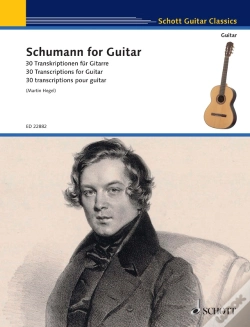
Schumann For Guitar eBook
30 Transcriptions
language: english
Publisher:
SCHOTT MUSIC, April of 2021 ‧
see product details
12,99€
10% OFF
CARD
UTBreWJYcGlZVEJ2VEZCWE9EZG1VM2c1Ykd0U1RETTBaVlZsY0ZKTFpsbzJhVlJCUjNSNlFtc3hPR2R1YlZZdmFFVm5aVEJXU2pSbEwzcEhjWEE0Umt0RWNuaGpkM05FVGpGNFlqbHpSRXMyYjBoMGJuQnBjbmRtV0ZkalJEUXZSR3d5WTNsRmRHMUlNemxKYldKWmNXOXRWRWRtV1hJMFNXUXlXWE5GYlhsUU9YQXlSWGhRWmxwNFpWTk5NMUpXTDJzMVUzaGljM2hhZUdvMldWSlBkbmsxVmxRMmRUaGFVMkptZFRObUwxQlZURm94Y2tKVmVrMUtlRWRCY1hNM2JqUXlReTlsWkVoT2FHRlVRM3BCTWtGNGRFNW1TbWR5TjNscmJHYzNkR1pLVG5nclZFZGhUbE5zUzFoRlJrVjFha3QyUVhsblVYTkxNbmwzTWtsU1ZISkNVWEJOVVd0V1ZYbHlhRUl6TWs0eE4xTkVhbTlZYWpCeE5HRnRRbVJuVW5waWJWYzVWQzlZWWk5dVVtTTNSRzFQWVd4c09UUlRiMjE1TWtoTFIwUk9kRUZUT1ZOd1FYWnRiUzh2TUZWQ2QwY3dVRXBTYVVseGNERkZXSHBKT0RncmFVVk9ibmR0VjAwMWJEVm9jMVZPY0RobGVGWXhaR1Z0V1hkalNGSTNUbU41Vmt4bUwxVlZjR0ZtYkdab2JEZEtOMHB1WW5WTFJqZEJjRkZ6WVRZdlVHdHZlbE5XV21oVk16SXpjVWhwUVd4UFlqbEpUVmh0TW5FemRGUTVaMGc1YURGWU4wTmxLM1JWSzBKd2IyUjBkakZQVjFJNFJWbDZZMmsyV1VKamRtMVlRbEpxYkVrd2RIZHVRamMzTHpGNFdrZ3ZjamxZUWxkTlUxbGFTbUZ0VG1wdFlqbG5XWGxvYzBoM04xcHdZM1ZMZFU1VGMwbFdOMDFRZUc1bk1VaFhUMmxMU2s4NGNVZFBWRnBsUVhGcGNERjJZV0l4Wm05aVpYTk1jMlptY1VoVFFtWmxhRlppVlRCaVZYWjNZazVqVjBoU1dWSm9jVE5WZEdKNmRrRkxZeXRpTjFablJXNVliSHBGVkdwSGRtRlBWVEJqWTI5RlZERnhTemh2ZW5kSlpHMHllbVpuVWxadlpHVnlTV3h3YjFweVZVdFNiRVF2WkhkUWJsTmlXWGgyZEhnNWNUQk1jRzFMZUhCMGVFZHVPV2xtTVRZd2VHdGhUa00wTVVkaE1GbHhTRUp3T1dObVZXTnFNbWhZVVZwamJGcG5ObXhyWkc1RFRUSlJjRFkzUjFSbmFtSjVkRmxaUFE9PTpTc3h1b1ArS09WT3drMklEYVM0bDdBPT0=
IMMEDIATE AVAILABILITY
Ebook for ADE
SYNOPSIS
The edition Schumann for Guitar is an interesting attempt to transfer Robert Schumann's romantic, lyrical music to the guitar. As a consequence, new tonal possibilities present themselves for the guitar repertoire, particularly in view of the fact that Schumann himself never composed an original piece for guitar.
This volume naturally contains pieces from the famous piano cycles Album für die Jugend, Kinderszenen and Albumblätter, but also some lieder like Mondnacht or Im wunderschönen Monat Mai. Special highlights of the volume are the original Schumann transcriptions by Francisco Tárrega (1852-1909) which prove that guitarists studied Schumann's music as early as the 19th century.
Schumann for Guitar is ideal for concerts and music lessons, but also for private music-making. The pieces are of easy to intermediate technical difficulty so that even amateur guitar players will enjoy the pieces!
DETeBook com proteção para wookreaderILS
| Property | Description |
|---|---|
| ISBN: | 9783795724955 |
| Publisher: | SCHOTT MUSIC |
| Release Date: | April of 2021 |
| Language: | English |
| Pages: | 48 |
| Format: | eBook |
| Categories: |
eBooks in English
>
Art
>
Music
|
| EAN: | 9783795724955 |
ABOUT THE AUTHOR
Robert Schumann
Robert Schumann foi um dos compositores e críticos musicais mais importantes do século XIX, nascido a 8 de junho de 1810 em Zwickau, Alemanha, e falecido a 29 de julho de 1856 em Endenich, perto de Bonn, Alemanha. Schumann é amplamente reconhecido como uma das figuras centrais do romantismo musical, e a sua obra é conhecida pela sua profunda expressividade emocional, rica inventividade melódica e pela sua exploração da música como uma extensão da literatura.
Schumann começou a sua carreira com ambições de se tornar um pianista virtuoso, mas uma lesão na mão forçou-o a abandonar essa ideia e a concentrar-se na composição. Estudou música em Leipzig, onde foi aluno de Friedrich Wieck, cujo talento e orientação o ajudaram a desenvolver as suas habilidades. Mais tarde, Schumann casou-se com Clara Wieck, filha de Friedrich, que era uma pianista excepcional e também uma importante inspiração para a sua música.
Schumann foi um compositor prolífico, escrevendo obras em vários géneros, incluindo música de câmara, sinfonias, concertos, e uma vasta quantidade de canções (lieder). O ano de 1840, conhecido como o "ano das canções" de Schumann, foi particularmente produtivo, durante o qual ele compôs mais de 150 lieder. Entre os seus ciclos de canções mais famosos estão Dichterliebe (1840) e Frauenliebe und -leben (1840), que são marcos do repertório vocal, conhecidos pela forma como Schumann combina a música com a poesia.
No campo da música orquestral, Schumann é lembrado pelas suas quatro sinfonias, especialmente a Sinfonia nº 1 (Primavera) e a Sinfonia nº 3 (Renana), que demonstram a sua capacidade de combinar forma clássica com um espírito romântico. Ele também escreveu obras importantes para piano, como a Carnaval (1835), Kinderszenen (1838), Kreisleriana (1838) e Fantasia em Dó Maior (1836), que são algumas das peças mais representativas do romantismo musical.
Além de sua carreira como compositor, Schumann foi um influente crítico musical, fundando a revista Neue Zeitschrift für Musik em 1834. Através desta publicação, ele promoveu e defendeu o trabalho de compositores emergentes, como Johannes Brahms, que se tornaria um dos seus amigos mais próximos.
Os últimos anos da vida de Schumann foram marcados por sérios problemas de saúde mental, que o levaram a ser internado num asilo em 1854, onde passou os últimos dois anos de sua vida. Apesar dos seus desafios pessoais, o legado de Robert Schumann continua a ser celebrado, e a sua música é considerada uma expressão profunda da alma romântica, combinando um lirismo apaixonado com uma rica paleta de cores harmónicas e texturas musicais.
BY THE AUTHOR
-
10%El Baile De La Liga De DavidEditorial Pre-Textos15,60€
17,33€free shipping -
10%Consejos Para Jóvenes MúsicosA. Machado Libros S. A.12,13€ 10% CARD