


adicionar à lista de desejos
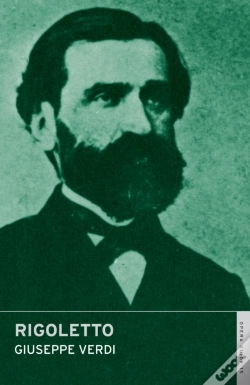
Rigoletto eBook
Publisher:
Alma Books, January of 2018 ‧
see product details
11,93€
10% OFF
CARD
YUVGTGJHWm1SMjFGWTBwUFoxSjFhbkJqVWxOR1l6Wk9ObWxEYUVNMmJrUXhkVmgzZDI5V0sxUnBkbTB3Y1VodFl6TTBaRXBhWTNBMVJrWlJTSGxpU1ZSbE1UTnVVRmt3ZGtaUE5FVnVaa3haYTNKUlNXb3ZXR2hvVTAweFQzQjZhbFkwUVU1c1kzbEdiR1ZPUjBkVmVVcFVZVkl4TkVkbE56Sk1lVmxWYVVaSWVYb3JhMDlITW05VlFsb3JWbUZQT0RNMk1VVk9iamhVYjJGWVZVWjJVV2RrTkV0ME1WUTFaamhIT1RsNFEwVnJVa0pLTmpsVmNXeEtTSGhpWmxGSWN6QkJSMFJTUkRJNUsyMVhTVUp0TlRGUVVuZG1NakZYV0VaMUx6QkVSaTl6T1d4V1FtcEtVbXBwVlVjcmFHUTJiWE5qZW1oM1NXVllRVlIyTkc4MmVrMTVORlV2ZVRWcVNIWjFLeXRTY25sUmQzQnhjMFEzVTFNcmNWaHpTSGxHTVZoT2ExTjVObkJPYWt4WlYyOVNkSHB2TUU5dGNXRXJRMVZXYTNsU2RpdHdlak5TUm1jM1dFOVhSMjU0Wmk5b1RtRk5WMnN4UTBGWmEwNTJMMDV3YjJFM1VuZENZM1JsZVc5amMzSTRjbFUzTDNkd1RIRktWMDl1TlZsM1VtZEdPVUZSU2tkVlowazNiMEYxYUVkWFIxUkRZVWxNVGxaeFpVTkZlRE15YTBoUGVHMWhaa3BZZDNOa1dqUnRVRVZDUmxoSmNDOUVUR3BVTTFkTlp6TnhNRzVZWWtzeE1uRnNORkZIY1dGWUsxcGlRMWRPZFV3emRXSnFOV05WY0d4V1RYaFpObmxMYTA5dk5HcFJPSHBLZVhRek5XUm9RVEpUZEZrM1ZVTnZjVFp2Y3pSYVEzaHhSMU0yTlhBMmNFUndRMGhWZVhGeVQzVk5hWHBSUm5wQ01uTTBhbkl3UTFCTlRUUlFjekZqVjJ0aVZGWTJaV2xCTmk5M1FVMW5kVmRyTTJFNU1IQktWME5XTmtGeVNscDVXRGxCT0VOT2FERTBkakowVFVwSVIxUm9ZV0o2ZWpSTE1rOXJNWGxNVVVFMlExWmxkbEZaTDBKclVVWnhXRE5DUWpsdFpVbEZWR1YwYmxFNE0xQnJaa0phVDBaVE0yZExla1JCYjI0MFJHWnBibFoxTmt3elpXUlRkM04wUVdodU4wTlZZbmxKWVZCTVJVMXNjMWRhU1ZGbE9UWjRhekZ2VFc1bFMyOVJWM0JuTnpoMVEwa3lXRGhqTkRaYVJtUlBOMGxhYUZsMkswUXphRE5SUFE9PTpRcjNlWktSTVRSWmp1Q1ZxSmVWcDdBPT0=
IMMEDIATE AVAILABILITY
Ebook for ADE
SYNOPSIS
The subject cannot fail!' exulted Verdi, when recommending Victor Hugo's play Le Roi s'amuse to his librettist. But the censors made every effort to stop it, and the baritone was not easily convinced that a hunchback role would suit him. Jonathan Keates gives a vivid insight into the composition of a masterpiece. Verdi long afterwards thought it his best work, and Roger Parker explains why. Peter Nichols, author of several bestselling books in Italy, picks out some of the peculiarly Italian attitudes and characters in the opera which make it timeless - and incredibly modern.Contents: Introduction, Jonathan Keates; Musical Commentary, Roger Parker; The Timelessness of 'Rigoletto', Peter Nichols; Rigoletto: Text by Francesco Maria Piave after Victor Hugo's 'Le Roi s'amuse'; Rigoletto: English translation by James Fenton
DETAILS
| Property | Description |
|---|---|
| ISBN: | 9780714544991 |
| Publisher: | Alma Books |
| Release Date: | January of 2018 |
| Format: | eBook |
| File Format and Compatibility: | PDF para ADE |
| Categories: |
eBooks in English
>
Art
>
Music
|
| EAN: | 9780714544991 |
ABOUT THE AUTHOR
Giuseppe Verdi
Giuseppe Verdi was one of the most important and influential composers in the history of opera, born on October 10, 1813 in Le Roncole, a village in the province of Parma, Italy, and died on January 27, 1901 in Milan. Verdi is widely recognized as a master of musical drama, with a career that spanned over half a century and produced some of the most famous and beloved operas of all time.
Verdi began his musical career in a context of great political and cultural change in Italy, a period known as the Risorgimento, which culminated in the unification of the country. His music often reflected and sometimes fostered the patriotic fervor of the time. He soon came to prominence with his first successful opera, Nabucco (1842), especially with the chorus "Va, pensiero", which became a symbol of aspirations for freedom and unity for the Italian people.
Throughout his career, Verdi wrote some of the most iconic and frequently performed operas in the operatic repertoire, including Rigoletto (1851), Il Trovatore (1853), La Traviata (1853), Aida (1871), and Otello (1887). Each of these works demonstrates his unparalleled ability to combine melody and drama, creating characters and stories that resonate deeply with audiences.
In addition to being a prolific composer, Verdi was also an important figure in Italian society, involved in various political and social causes. His work not only raised the status of opera in Italy and the world, but also left a cultural legacy that continues to be celebrated today.
Verdi is often compared to other giants of opera, such as Richard Wagner, and while Wagner was known for his complex music and dramatic philosophy, Verdi was venerated for his ability to express human emotions in a direct and powerful way through music. His operas are still widely performed in theatres around the world and continue to inspire both musicians and the general public.
BY THE AUTHOR
-
Eb Baritone Sax Part Of "I Vespri Siciliani" For Saxophone QuarteteBookGlissato Edizioni Musicali3,49€
-
Bb Tenor Sax Part Of "I Vespri Siciliani" For Saxophone QuarteteBookGlissato Edizioni Musicali3,49€