


adicionar à lista de desejos

Retórica eBook
Uma Lágrima E Um Sorriso
language: brazilian portuguese
Publisher:
Editora Lafonte, March of 2025 ‧
see product details
2,99€
10% OFF
CARD
U2poQlUwNDJibWhaUzNsaVNGWlRlRWt6UTNSTWVrWXZRMmRqTnpaRlVtaEdXVTVLV0VaQ1ZuZHBNbVp5WmpCRFpYZENRa0YxU0RSR01XRXlZVzQwT1ZCcGFXRkhObXhZTTNWblUxaFZVbkkwYkdRM1dXazJTVTFCYjFadGRFSlhhRnBLYzJSRlUwWnJjR2ROVldwcmFIQmtlV2hUVTBaa1MyMVZlREJ0TVZwUVNtSXhjbVJ6YkhKS1JTOW1SMjh2WkRKTUwybDVVWEl2YldwM1kwOWlSVmcyT1RGMGMyRXdRblU0Y3pBck9IVlRUbTVDTkc5d2JVVXdjWFZLUWswMFdqWnNOMmMxSzNKSVNuUjVlbFJrVUZOMlkwZ3lOVEZOUTIxT1lWbzRhMWhrVEhkb1dUVm5NR05PUm5WNk9UQXlMelJvYURaWVdubGxURGxUV21GaWQzVnhibXRGYVZSWlNXTTFWMFpWV0hsSGJrNXhTRVJqWVRkc2ExVkpWR2RVV0ZGVEswZFFaV2RDZGpaUlNUaFNPVXcxVUhvMU9XdGFkVk4yVm1Jd1NqQlJZbmhvY0RCTVpXZFNTVGRpVnpJd09EWTBWREVyU1VWdGJURklVbTA1U0ZORFVsSnVXSGRSUTNSdlRqRTVObFphTWtOTVIyMDJVMU5FWkRaR2EwSmtPSHBxTVZaRVVGbG1NR1UwYVhKbU16ZHVURXRqU0ZsWk4ycHJlSG92YVRkeldYaGllbmtyUTNGTFZDc3diM1pWUkhwbWNqRlZWRTkzVVdoSkwwWk5NVk14THpWclFYZHFkM0kzZUV4NU9XbGtUbmxQVmtreVlYUXhhRmxEVkVSRGN6bDJRV05oWm5Ob2VsQlBlVWxPTkdwclJUQmxkbXBwWTBoRWFqbHBha3MxZFRZcmJISXZibnA1YjJkdlltODNhMVZHVm01MFVERXlkVGRHVFZwYWR6TlBaWGh6YlcwdmRqaGxiVlJTVG1aVmVUWnBiME5PUTBjNU9VMTVOMU5LYzJ4d2ExSlJNbXBSZERBdlZUZG9XRTFDVmtwQ1praDBOSEo1YzNwM2FUSkRhRkJCTnk4NVRtNTViRlJSSzNGSGNqVjNlVlpEVTBaV1ltcFBSekZOTkVkQlEzRTVabGd2Y2tSb2VEaFZWMVJWTW01dFkwODVRMngyVVd4UVFUSjNiSGxvUW0xMk9XRjZNbEV6V0VwcVNFWTBlWEpaT0dkaGRFNTFZbTFXWTNwUlQyRlliamRCV1UxNlVVSm5ia05pYVc5UFpITnhVVmxuZG1KV2JVWldOMlZYVFRWNlMycHFjbEJuUFE9PTpyU3gveFQ4dW5jeFBWTXhiNjExRU53PT0=
IMMEDIATE AVAILABILITY
eBook with wookreader protection
SYNOPSIS
Retórica, de Aristóteles, figura entre seus tratados sobre argumentação e persuasão dialéticas, juntamente com a própria Dialética e seus Tópicos. De maneira sistemática, o filósofo examina, subdivide e descreve as partes e os recursos relevantes na construção de um discurso, bem como sua adequação a cada tipo de oratória - política, forense e cerimonial. Assim, volta-se tanto para o conteúdo em si, seus temas e principais ferramentas de persuasão como para os atores envolvidos: o orador e seu caráter moral, o ouvinte e suas emoções. Dá especial relevância ao ouvinte, reafirmando que o objetivo da arte é, afinal, persuadi-lo. Em suma reflete sobre a linguagem apropriada e as partes estruturais que compõem um discurso. Por ser sistemática e abrangente, a Retórica possui imenso valor para o pensamento e a construção da argumentação, mostrando-se uma arte viva e eficiente ainda hoje.
DETeBook com proteção para wookreaderILS
| Property | Description |
|---|---|
| ISBN: | 9786558706168 |
| Publisher: | Editora Lafonte |
| Release Date: | March of 2025 |
| Language: | Brazilian Portuguese |
| Pages: | 192 |
| Format: | eBook |
| File Format and Compatibility: | |
| Categories: |
eBooks in Portuguese
>
Personal and Spiritual Development
>
Personal Development
eBooks in Portuguese > Social Sciences and Humanities > Philosophy |
| EAN: | 9786558706168 |
| Acessibilidade: | Ver características de acessibilidade indicadas pelo editor |
ABOUT THE AUTHOR
Aristóteles
Aristóteles nasceu em Estagira, na Calcídica. Apesar de ser da Macedônia, o grego era o idioma falado. Era filho de Nicômaco, amigo e médico pessoal do rei macedônio Amintas II, pai de Filipe II da Macedônia e avô de Alexandre, o Grande. É provável que o interesse de Aristóteles por biologia e fisiologia decorra da atividade médica exercida pelo pai. Com cerca de 16 ou 17 anos partiu para Atenas, maior centro intelectual e artístico da Grécia. Como muitos outros jovens de seu tempo, foi para lá prosseguir os estudos. Duas grandes instituições disputavam a preferência dos jovens: a escola de Isócrates, que visava preparar o aluno para a vida política, e Platão e sua Academia, com preferência à ciência (episteme) como fundamento da realidade. Apesar do aviso de que, quem não conhecesse Geometria ali não deveria entrar, Aristóteles decidiu-se pela Academia platônica e nela permaneceu 20 anos, até 347 a.C., ano que morreu Platão. Com a morte de grande mestre e com a escolha do sobrinho de Platão, Espeusipo, para a chefia da Academia, Aristóteles partiu para Assos com alguns ex-alunos. Dois fatos parecem se relacionar com esse episódio: Espeusipo representava uma tendência que desagradava imensamente Aristóteles, isto é, a matematização da filosofia; e Aristóteles ter-se sentido preterido (ou rejeitado), já que se julgava o mais apto para assumir a direção da Academia. Em Assoo, Aristóteles fundou um pequeno círculo filosófico com a ajuda de Hérmias, tirano local e eventual ouvinte de Platão. Lá ficou por três anos e casou-se com Pítias, sobrinha de Hérmias. Assassinado Hérmias, Aristóteles partiu para Mitilene, na ilha de Lesbos, onde realizou a maior parte de suas famosas investigações biológicas. No ano de 343 a.C. chamado por Filipe II, tornou-se precetor de Alexandre, função que exerceu até 336 a.C., quando Alexandre subiu ao trono. Neste mesmo ano, de volta a Atenas, fundou o «Lykeion», origem da palavra Liceu cujos alunos ficaram conhecidos como peripatéticos (os que passeiam), nome decorrente do hábito de Aristóteles de ensinar ao ar livre, muitas vezes sob as árvores que cercavam o Liceu. Ao contrário da Academia de Platão, o Liceu privilegiava as ciências naturais. Alexandre mesmo enviava ao mestre exemplares da fauna e flora das regiões conquistadas. Seu trabalho cobria os campos do conhecimento clássico de então: filosofia, metafísica, lógica, ética, política, retórica, poesia, biologia, zoologia, medicina e não só estabeleceu as bases de tais disciplinas quanto sua metodologia científica. Aristóteles dirigiu a escola até 323 a.C., pouco depois da morte de Alexandre. Os sentimentos antimacedônios dos atenienses voltaram-se contra ele que, sentindo-se ameaçado, deixou Atenas afirmando não permitir que a cidade cometesse um segundo crime contra a filosofia (alusão ao julgamento de Sócrates). Deixou a escola aos cuidados de seu principal discípulo, Teofrasto (371 a.C. - 287 a.C.) e retirou-se para Cálcis, na Eubéia, onde morreu no ano seguinte.
(see more)BY THE AUTHOR
-
10%RetóricaINCM – Imprensa Nacional Casa da Moeda30,00€ 10% CARDfree shipping
-
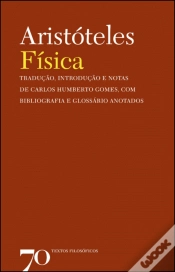
10%FísicaEdições 7034,90€ 10% CARDfree shipping