adicionar à lista de desejos
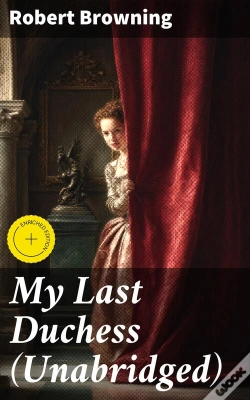
My Last Duchess (Unabridged) eBook
Enriched Edition. Exploring Jealousy, Power, And Art In Renaissance Italy Through Dramatic Dialogue And Intricate Verse
language: english
Publisher:
Good Press, January of 2024 ‧
see product details
0,99€
10% OFF
CARD
U1ZjdlVVOXRVMjQyVHpaYU0wdDROV1prVVRSUVQyVXJlSGRITlZWVlZEaFhTbXBpZWpsVlFtNXdaWFUxVGtwRFdVSXpiVFY2V2tsdWFFTndiRzFvY0VoV1pXSkpVazVtT1RsUmR6Um5WRlpuTDFJMmRsVkpWVmhwVVdwSllWUlRVVzk2YjFaWGMyRm9abXBIUXk5d1NWTTJjV05OUnpSSVkwZFRZWFpVZUdsTmNucFNNbTRyZVZoYVpFaGFZWEpLWWpOR1VWVXhSVUZXYlZVeEszWkVTMDhyUjBsTFJUbHdZbW8yVURRclRFSnROVkk0ZEdaS016VkJSVXBzVUZKcGRHWkdlbUZVVkdSVVJHbFlaM1Y0ZUdaWFpYY3ZkMDQyWTFWT2FDOWFOVUZqTDBNeVJHUlpaVk5DU0haWWRpdEdWMmhCYzFaT09FVmhUemhGT1hCdldEVnVXVE01VVhoMmFHOXNjek5YTml0U00wc3JSM3BYTTBkeGJEbFRTMkZ4ZHk5a1l6bFBkazU2WlZWQmF5OTBUM1ZQYlhJclNtcGpTazVNV0hSRGRsbHJhM1pxVkd3dk1VZExXbEJUVG05YWQxVnNTblYwU21GdUszQnBXalpEU1doMWNWZEpUbWhFVTNnemJrODBVRzlxYmxSQ1dVODViakphYVZaaGNsUldNVFppUW5Gc1JHUkhUak5rU2psWFIzQmpWVU5yY1daaU5XSjNlVTVuTTJ4eFZsb3JWak5sVEdKdmFXVjBkeTgwVmxSWlRuUlJhVzFLU2t4d2RXdElWR2RHU0haVFl6VjRVMU15WjJveFNqZDVkQ3REYlU5UVRYWk1Ra2xaT1V0d2QybEVlSFZGY21FM2JWWXdibEJuYVRkT1JFeEtiU3RMZDFkSVpETXJlblZLZVVabGFsUTVOMDVoWlc5V1F6UkdXWEpFT0dodFVXWklUV1JXUlhaVGVHcENkVk15UmxOMmJteDFWblIzUTFrMWVrMVlPV0UxVVZwaVQwVXZibHBRYkhFNFVsaGFSSFZ3TUZaQ1JrMVBhRUl5TlVGamRsVkhURzF5VWs5dVJYSnRXRGQyUlRVd2MxUXZkR2x2UTNCVmFUSXpXa0l3TkhoS1RrWTBZbVY0UjB0cmExZExjWEp6Vm5WSVprNUpiMGdyVFdGVVMxZEJVVE5hUjJWaE4wOWtNR1ZTUms1TVp6RjBNVmh1ZHpWc1JHMXNSMGxEYTNaWmJsTmpZbEl2UkRkWlVISlVZWE5XVFRkVFdFSTJhekZKVFRBMUsycFBaM2RGYVU0M1Z5OWFXbHBSWkcxclJsUXdkMWMwUFE9PTo1aGtNWTZ4QWExbEZHN0Q3bU1uUUNRPT0=
IMMEDIATE AVAILABILITY
eBook with wookreader protection
SYNOPSIS
In "My Last Duchess," Robert Browning masterfully employs dramatic monologue to explore themes of power, jealousy, and the objectification of women. Set within a Renaissance context, the poem presents a Duke who reveals his emotions and past transgressions as he converses with a visitor about a portrait of his deceased wife. Browning's use of enjambment and iambic pentameter creates a flowing rhythm that mirrors the Duke's self-involved narrative, while the juxtaposition of beauty and darkness poignantly highlights the interplay of love and control. The poem can be situated within the broader Victorian literary movement, where explorations of psychological complexities in character were gaining prominence. Robert Browning, a preeminent figure in Victorian poetry, was deeply influenced by his own experiences with love and loss, particularly his tumultuous relationship with Elizabeth Barrett Browning. His fascination with the psychological dimensions of character is evident in his body of work, which often grappled with moral ambiguity. "My Last Duchess" stands out as a prime example of Browning's keen insight into human nature and the darker facets of desire that can compel individuals to commit unspeakable acts. This poem is highly recommended for readers interested in psychological depth and the intricacies of human relationships. Browning's vivid characterization and vivid imagery invite readers to reflect on the moral implications of power dynamics, making it a timeless piece that resonates with contemporary themes of gender and authority. Whether one is a lover of poetry or simply curious about human motivations, "My Last Duchess" promises a rich literary experience.
In this enriched edition, we have carefully created added value for your reading experience:
- A succinct Introduction situates the work's timeless appeal and themes.
- The Synopsis outlines the central plot, highlighting key developments without spoiling critical twists.
- A detailed Historical Context immerses you in the era's events and influences that shaped the writing.
- An Author Biography reveals milestones in the author's life, illuminating the personal insights behind the text.
- A thorough Analysis dissects symbols, motifs, and character arcs to unearth underlying meanings.
- Reflection questions prompt you to engage personally with the work's messages, connecting them to modern life.
- Hand‐picked Memorable Quotes shine a spotlight on moments of literary brilliance.
- Interactive footnotes clarify unusual references, historical allusions, and archaic phrases for an effortless, more informed read.
DETeBook com proteção para wookreaderILS
| Property | Description |
|---|---|
| ISBN: | 8596547801870 |
| Publisher: | Good Press |
| Release Date: | January of 2024 |
| Language: | English |
| Pages: | 482 |
| Format: | eBook |
| File Format and Compatibility: | |
| Categories: |
eBooks in English
>
Fiction
>
Poetry
|
| EAN: | 8596547801870 |
| Acessibilidade: | Ver características de acessibilidade indicadas pelo editor |
ABOUT THE AUTHOR
BY THE AUTHOR
-
10%The Byzantine EmpireTHE CATHOLIC UNIVERSITY OF AMERICA PRESS32,43€ 10% CARDfree shipping
-
10%A Selection Of PoemsCAMBRIDGE UNIVERSITY PRESS37,85€ 10% CARDfree shipping