

adicionar à lista de desejos
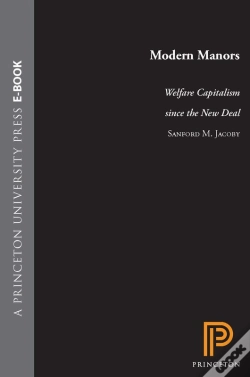
Modern Manors eBook
Welfare Capitalism Since The New Deal
language: english
Publisher:
Princeton University Press, December of 1998 ‧
see product details
53,00€
10% OFF
CARD
TUhCdmR6QjJabFZOTUdkb1ZqSjVNa3hHVDB0bVpHOTFabHBETkVReU0wMXphaXRUUmxGNmVYQnRiRzFJVW5WYVkwaFhlRmxPUzBwNFIxVnNabVZWTmpkSk1FTlRZbWRPWm14dWNGVklaelZrVDJSMVpVWkpXVWR5YTJrdlYzaEJVVVYwVEhkSFdsazRiV1ZtTlU1b1FVTnZjM0k0TkdWS2RHWnRkWFZpT0hreGFHOUVUM1I0ZVZJM1JGZHhZbTFMWTFSRmNXTmxkRWRXWm5Od0sySmtRWE5TTlVwMVRrOVZhMFJvTm5vNWVIQTVOMlUwUWpKVFJHNW9NV2xxSzNCWk1YVndWRmMyZFdremFrNWtSa05MVEhBdlpFOHdNSEl6TlZkM1FuRlROVVl3TjBscFQwZEVSVzlVT0hka05GQmFObGRaVkVvNWRtTkZSVmxOU25KRVdEbHRaVzV6Umt4MmJqSmpNMUZ1ZUhORVJXSlhNbTVHVGxJeGVqSkNlazlyWkRWclNtMUdOelJVU0hweGEyUmtZVlZsYW01WldFZE1iamRRTlhOVWNIZHZaamhDWmt4V2FtRnphVzVHYW1SWUwwMTBaa1ZRT0hFd1JteFVZMjAzV1dKTWJIRXZSbUo2VUVwMlltaHBiV0pOYVVaTWVtMVJVVGh1V2s5dVpFeEllbE5oZWpaWloxWXJRM0JyTmpOU1ZGRmhibUZoYTJGVVprazJla2xSTlZaaFRYTTFaSEF2V0hkamJtRmxVaTlOYTBzeFJFZzRaVUl5ZDJsR2VVdEhRa3hrYzJvMlIzUnlTRzFHSzFRcldURTRPVGxTYlhOWmVVNUdTWHBaZUdSbFozbG1XVGRLVUVOd1dtMTBlRTR4UjBGb016UXhNME14ZUZCc1REZDZkRWsyTkRSUlpWbDZUWHBWY0VoNGVrbHZhWEpVVDJaWVdHUnFRbWQ2YzI5V2NYZGhNbVpQU1RGb0szSlNTamd2ZGk5VGFreGhRWEl2UXpCalYxRlpOVk5TUVdoQ2FqTmpaak0xVUdaQ1RHZHFURzF4UlVsRGNGcHViV3BWVmpaQ1ZpdE9VV050T1ZWbUx6VnBXRzlCYzFZclRWaHVVR2RRVWxoSVdXczRaR3BZYzI5U2NEWmhRVzh4UlhjMlpGUlhSek5QTjNkdFVVZFlPUzloTW1aRGVuWkdlR2Q0VlRadE9EZEpkV0o2VjNWemVIcHhkVzVvT0U1RmNVRkhhR0Z0VlRGclZGTlBiREp2WldScVNqZFljamhsUlVKNE5pczBlamM1TUZRelJWSjBaekZLVUhKWFkwZElaVUZaUFE9PTo5cjBsZFdJN0JHbmQ1UXVBK2J2cytBPT0=
IMMEDIATE AVAILABILITY
Ebook for ADE
SYNOPSIS
In light of recent trends of corporate downsizing and debates over corporate responsibility, Sanford Jacoby offers a timely, comprehensive history of twentieth-century welfare capitalism, that is, the history of nonunion corporations that looked after the economic security of employees. Building on three fascinating case studies of "modern manors" (Eastman Kodak, Sears, and TRW), Jacoby argues that welfare capitalism did not expire during the Depression, as traditionally thought. Rather it adapted to the challenges of the 1930s and became a powerful, though overlooked, factor in the history of the welfare state, the labor movement, and the corporation. "Fringe" benefits, new forms of employee participation, and sophisticated anti-union policies are just some of the outgrowths of welfare capitalism that provided a model for contemporary employers seeking to create productive nonunion workplaces.
Although employer paternalism has faltered in recent years, many Americans still look to corporations, rather than to unions or government, to meet their needs. Jacoby explains why there remains widespread support for the notion that corporations should be the keystone of economic security in American society and offers a perspective on recent business trends. Based on extensive research, Modern Manors greatly advances the study of corporate and union power in the twentieth century.
DETAILS
| Property | Description |
|---|---|
| ISBN: | 9781400822393 |
| Publisher: | Princeton University Press |
| Release Date: | December of 1998 |
| Language: | English |
| Format: | eBook |
| File Format and Compatibility: | PDF para ADE |
| Categories: |
eBooks in English
>
Economics, Finance and Accounting
>
Economy
eBooks in English > Others |
| EAN: | 9781400822393 |
-
Employing Bureaucracy10%TAYLOR & FRANCIS INC81,10€ 10% CARDfree shipping
-
Labor In The Age Of FinancePrinceton University Press26,77€