


adicionar à lista de desejos
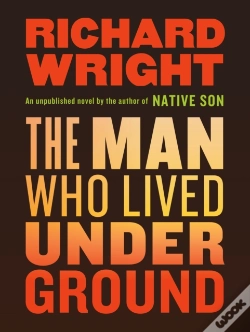
Man Who Lived Underground eBook
The ‘Gripping’ New York Times Bestseller
Book
eBook
language: english
Publisher:
Random House, June of 2021 ‧
see product details
8,99€
10% OFF
CARD
WTJ4dlNrbEhhelYwV0V0MVQxcE9RV1ZTUTNaU05GUnRlRlZFTjBKclpXcGlTbVJaTkhGblJGZDFWRFJoYjBwV1RGZFRkRVpIYkV0VVN6WkZhbWMyTW5KalpraEJia2hpZVN0T2NGTkRPR05KVkc5eGRIaFNaVXczTWxWSllXZ3lXVEZMZURBMWVVcE1PWFZRYjNWb1dUTXJUVUpHTjNWRU1VeEZiazlyTmt4M1F5dDZValYyVUVjNVZsQmhlRWd4ZDFkcU5GaGxjMjlQTmpaaWJGQnZTSEpwY2pRM1RHOUliWHBDUVZSRWVtUlljVGhUY2psU2J6WkthRXc0WlRCbmRtUlhjWG94YTNBeGR6UnVPRTV6VEV0bWVEbFBOSFZVWVVOa1UzVldPVFJpWm5oQmNtMUxUMVF5U0dsT01FSldWRWx2VFVsVVowdDRNMlpoSzBsdFlVNDJaazU0VW0xR1F5OWtka1JsY0c1VFZsTnJRWFkzSzBkWk1uQlRabEYwYzNsMWJtMDNaemwxSzNoM1JURkJjVVpyUzFsdllWWlZXVFE0V0VoVVpuWlpXWEJvU0hWU01XTnJaVWh2ZEdwdWJuQnliekJoU2pCMVpVOURlRFJTY1dvM1VrY3hORE56TUc1UlRrRnhibTAwU1hJMFUwTnhOMHBSWWxaTk5uaHpSMmhMYW5GeFN5dENOVzlxUjJaR0wwRXdOMUoyTmpGb2J5OXJiMXB5TUhwYWVscG9RbEZLWmpoVlpuRmhhRFpNVGtsVk4zQTRhR2RFYjFaTmRGbzFWQ3RXU0RKM1pVbDBXblpwTmpCa1RrMWlMMFl4YmxJeVVUaHRkM0pLYTI5c1NHSlJOMGRNUlRKalNsQnBOQ3RqZGl0VE56RmFSWFJEWTBSdE5WSmlNVVYxWm1SdFZXOW1XRmh4Vkdkc1ptZG5lRGxRY0dRdk1HZEVUVk5xVm5vdlIwWjRVekJCV1hkSE1qTjFLMGhRZVVGbVdsQlZhRk5tZWpsQ1QyWnNTelo0Y1RneFNtVjFNM0l3T1ZjeWFrVXliRkZYVG1rclVsbHJiMFZRZGpFd01ITjFkREJKYlZObFQxVkVNSGQ1Um1Ob2QzcEhWRlpPYXpObVFUZHRjVVZSVEZsdVUydGpSMUJtVW5aUk5XVlhSa3huWmsxaE9EVjJkVkFyYzNWblkxTktPVXc0V1ZCdFpVaHRPWGhaVTBkalV6QXlWVlZHY0ZKcVVESmhTMFpWZEVZeEwwdGlVekJoY1d0QldHeEtTbEl5WTJFMVRFdHllRzFCTDFoMWNFZGhiV05IUW1WWk9HSlBkVlUwUFE9PTowbHVqVDc3ajhkYityeklpYXdnVmNBPT0=
IMMEDIATE AVAILABILITY
Ebook for ADE
SYNOPSIS
***AS HEARD ON BBC RADIO 4''s OPEN BOOK***
The ''propulsive, haunting'' and ''gripping'' (Oprah) rediscovered classic that exposes the dark heart of America for an inncocent Black man on the run from the police
Fred Daniels, a black man, is randomly picked up by the police after a brutal murder in a Chicago suburb. Taken to the local precinct, he is tortured -- until he confesses to a crime he didn''t commit.
But when he sees his chance, Fred Daniels, makes a run for it. With the world now against him, there is only one place left to hide: Underground. Taking residence in the sewers below the streets of Chicago, Fred''s new vantage point takes him on a journey through America''s unjust, and inhumane underbelly.
PRAISE FOR THE MAN WHO LIVED UNDERGROUND
''Propulsive, haunting...gripping'' Oprah Daily
''A tale for today'' New York Times
''Absolutely not to be missed'' BookRiot
''A masterpiece'' Time
''Wright''s most brilliantly crafted, and ominously foretelling, book.'' Kiese Laymon
The Man Who Lived Underground was a New York Times Bestseller on 24/04/2022
DETeBook com proteção para wookreaderILS
| Property | Description |
|---|---|
| ISBN: | 9781473598935 |
| Publisher: | Random House |
| Release Date: | June of 2021 |
| Language: | English |
| Format: | eBook |
| Categories: |
eBooks in English
>
Tourist Guides and Maps
>
North America
|
| EAN: | 9781473598935 |
| Acessibilidade: | Ver características de acessibilidade indicadas pelo editor |
ABOUT THE AUTHOR
BY THE AUTHOR
-
10%O Homem que Viveu Debaixo da TerraAntígona16,00€ 10% CARDfree shipping
-
imagem não disponívelGuitar10%GuitarKAHN & AVERILL26,71€
29,68€free shipping