

adicionar à lista de desejos

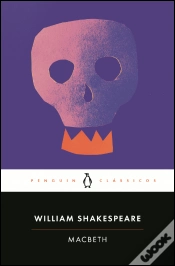
Macbeth eBook
Staged: The Origins Of Ya’S Greatest Tropes
Book
eBook
language: english
Publisher:
Penguin Random House Children's UK, March of 2024 ‧
see product details
8,99€
10% OFF
CARD
WlhrdlltVldZa3RtWWtneVZXdDVMMmRFSzBZM05FRktUM05OUVVwb1VVY3pkMWQ1U1ZSTlNVNDNPSGxKYmpOVVpVVkVSM1pxVFc1V00xUklNMjB3UmtGTGNsWXlReko0Umt0RE5tMVdXVlp3ZDNGc2N6aHpSV1JyZUN0cE1GZDVTbEZMTlZwbU9YSlJUWE4wVFc5c1ZXUmtXbkYxVEV4RWR5dFpRV3gyUVM5UFJteHBRWEpDTkdaQ1lsWkNiekp5VjNCVlZXeDVPRzF5V201cllrWllaVGhzYzFKYWNtUkxjRU5WTkUxdk5FTkpURUZJV1dkTVNFVk9NR2xTT1dGVGVIQlZTVlJCWWxoNlpGaE1jRGhVYzNwd1UwVm1NRkJUVmpscGVsWnNNM0ZyUmxWdE9FSk1WRmRWYVV4cFpUZHZUSE5LVEZGd05EZzFNalZ0YkVkTlZFbzNWV3QwVEVsWU5uWkNSR2RrWlRreFMxaEZMMlF2Wkdoa2JYSlNlVWRKZFVWWVExQXJjR2xyTlZGR1JFSk9hSGx2ZEhkT05sazNWR1FyTkUxMWFuQklabWxwWkVSNlExTnFiRVZyTUV4aU1UVnpUME53VW1aUmRWaEVNVmxVZVV0VFJtVnBUakU0YTFWQlpuRjVRMjFZT0dGRmVqRTJjREpqZFVSSVlXVXZNelV6TjJkeGRFWlZaa1ZGZUM5RWFqUmlVMlpXUjJONUt6Rm9VbVp0UlhkaVltbExjR3cyZFZGYVMyUnRUMGs0UjJ0d1ZEWnNTVXBSV2k5a2NHMXJWUzkzZUZsR1IyODRVRGxYTVZjNFZGRkZkM2xyVFd4cGJUaFpVV2h1WVRoVmRuTlpkR3RTV0doWVdVRTNiMkZLVm0xVmVFdFlWRkkwUzJ0blZXUlFTMUkxZFZoYVRISmlaa0pJZVZkTmFteGFXakp6U1hSWU5URXdjRFpCUzNOb2VFNHlTakpJUm5wdWVGbzVSSGxJUjBkaWVEbDVUblZwZWtFcmFVcGlRV0ZQTm5BemFWUlFUREJ3Y2xCNE1UWllPR0ZyY1ROU1NEUXlSalJ4T1dGWEswcDZhVkV2T0hocVNYaDRVa0ZsWjJka1p5dE5aSGRHTHpSd05WQkpNMXBJZGtSalozTkdPUzlQVW5OeVYxUTROMEpTU20xU09VNHhaRzB5ZFV4NFJDOURkMU5hZVVKWVNVSlJLMFY0TUN0aFZtZEhTRXcxY2twV0sySmphUzlhTTAwd01IQlVTMUJUV25Kc2RtMUtRblVyVXprd1oxWlZTa2d6TWtkQ1RVRjNZVTFUUzFrM05UYzVjazl2UFE9PTpIM1RQR2RRZk9lQUVJNjlpQk5HZExnPT0=
IMMEDIATE AVAILABILITY
Ebook for ADE
SYNOPSIS
With a foreword by Kat Delacorte, author of With Fire in Their Blood
‘It will have blood, they say: blood will have blood’
On a bleak, stormy night in Scotland, three witches prophesy: Macbeth will be a lord twice-over and Macbeth will be king; but Banquo’s sons will also be kings.
When the witches’ predictions start to come true, the ambitious Lady Macbeth vows to help her husband become King of Scotland and hold on to the throne - by any means necessary. But as the pursuit of power leads them down a dark and bloody path, the Macbeths soon begin to unravel.
Macbeth is Shakespeare’s famously blood-soaked tale of greed and prophecy so powerful that superstitions about the curse of ‘The Scottish Play’ continue to this day.
Discover STAGED, a limited collection of Shakespeare’s unabridged plays that celebrates the genius of the Bard and the tropes that continue to delight YA readers to this day.
Explore the rest of the STAGED collection:
As You Like It - With a foreword by Talia Hibbert
Hamlet - With a foreword by Faridah Àbíké-Íyímídé
A Midsummer Night’s Dream - With a foreword by Becky Albertalli
Much Ado About Nothing - With a foreword by Holly Bourne
Romeo and Juliet - With a foreword by Jennifer Niven
DETeBook com proteção para wookreaderILS
| Property | Description |
|---|---|
| ISBN: | 9780241695074 |
| Publisher: | Penguin Random House Children's UK |
| Release Date: | March of 2024 |
| Language: | English |
| Format: | eBook |
| Categories: |
eBooks in English
>
Others
|
| EAN: | 9780241695074 |
| Acessibilidade: | Ver características de acessibilidade indicadas pelo editor |
ABOUT THE AUTHOR
William Shakespeare
Poeta e dramaturgo inglês nascido em 1564, em Stratford-Upon-Avon, e falecido em 1616. O seu aniversário é comemorado a 23 de abril e sabe-se que foi batizado a 26 de abril de 1564. Stratford-Upon-Avon era então uma próspera cidade mercantil, uma das mais importantes do condado de Warwickshire. O seu pai, John Shakespeare, era um comerciante bem sucedido e membro do conselho municipal. A mãe, Mary Arden, pertencia a uma das mais notáveis famílias de Warwickshire. Shakespeare frequentou o liceu de Stratford, onde os filhos dos comerciantes da região aprendiam Grego e Latim e recebiam uma educação apropriada à classe média a que pertenciam. São conhecidos poucos factos da vida de Shakespeare entre a altura em que deixou o liceu e o seu aparecimento em Londres como ator e dramaturgo por volta de 1599. Em 1582 casou com Anne Hathaway, oito anos mais velha do que ele, e o casal teve três filhos: Suzanna (nascida em 1583), e os gémeos Hamnet e Judith (nascidos em 1585). A primeira referência a Shakespeare como ator e dramaturgo encontra-se em A Groatsworth of Wit (1592), um folheto autobiográfico da autoria do dramaturgo londrino Robert Greene, onde o escritor é acusado de plágio. Nesta altura Shakespeare era já conhecido em Londres, embora não se saiba com exatidão a data do seu aparecimento na capital. Em virtude do encerramento dos teatros londrinos entre 1592-94, Shakespeare compôs nessa época dois poemas narrativos: Venus and Adonis (publicado em 1593) e The Rape of Lucrece (publicado em 1594). No inverno de 1594 integrou a mais importante companhia de teatro isabelina, The Lord Chamberlain's Men, onde permaneceu até ao final da sua carreira. A companhia deveu à popularidade de Shakespeare o seu lugar privilegiado entre as restantes companhias de teatro até ao encerramento dos teatros pelo Parlamento inglês em 1642. Em 1598 foi inaugurado o Globe Theatre, o teatro da companhia a que Shakespeare se associara, construído pelo ator e empresário Richard Burbage no bairro de Southwark, na margem sul do Tamisa. Depois da ascensão ao trono de Jaime I (em 1603) a companhia The Lord Chamberlain's Men passou para a tutela real, e o seu nome foi alterado para The King's Men. A passagem de Shakespeare pelos palcos associa-se a breves desempenhos: Adam na peça As You Like It e o fantasma (Ghost) em Hamlet. Depois de ter comprado algumas propriedades em Strattford, Shakespeare retirou-se para a sua terra natal em 1610, mantendo todavia o contacto com Londres. O Globe Theatre foi destruído pelo fogo no dia 23 de junho de 1613, durante uma representação da peça Henry VIII. Além de uma coleção de sonetos e de alguns poemas épicos, Shakespeare escreveu exclusivamente para o teatro. As suas 37 peças dividem-se geralmente em três categorias: comédias, dramas históricos e tragédias. Entre os dramas históricos, género que primeiro cultivou, destacam-se Richard III (Ricardo III), Richard II (Ricardo II) e Henry IV (Henrique IV). Entre as suas comédias contam-se Love's Labour's Lost, The Comedy of Errors, The Taming of the Shrew, a comédia de intenção séria The Merchant of Venice (O Mercador de Veneza), As You Like It (Como Quiserem) e A Midsummer Night's Dream (Um Sonho de Uma Noite de Verão). A tragédia não é uma forma que pertença exclusivamente a um determinado período na evolução da obra de Shakespeare. Sob influência de Marlowe, a forma de tragédia já se encontrava nas peças que dramatizavam episódios da História inglesa. Em Romeo and Juliet (Romeu e Julieta) e Julius Caesar (Júlio César) Shakespeare combinou a perspetiva histórica com uma interpretação trágica dos conflitos humanos. O período em que Shakespeare escreveu as suas grandes tragédias iniciou-se com Hamlet, escrita entre 1600-1602, a que se seguiram Othelo, Macbeth, King Lear, Anthony and Cleopatra e Coriolanus, todas elas compostas entre 1601 e 1608. Na última fase da carreira de Shakespeare situam-se as peças de tom mais ligeiro: Cymbeline, The Winter's Tale e The Thempest. Parte das obras de Shakespeare foram publicadas durante a vida do autor, por vezes em edições pirateadas, mas só em 1623 apareceu a edição "Fólio", compilada por John Heminges e Henry Condell, dois atores que tinham trabalhado com Shakespeare. No século XVIII as peças foram publicadas por Alexander Pope (em 1725 e 1728) e Samuel Johnson (em 1765), mas só com o Romantismo se compreendeu a profundidade e extensão do génio de Shakespeare. No século XX reforçou-se a tendência para considerar a obra de Shakespeare integrada nos contextos dramáticos que a suscitaram.
(see more)BY THE AUTHOR
-
10%HamletAssírio & Alvim14,99€
16,65€free shipping -
10%MacbethPenguin Clássicos12,95€ 10% CARD