



adicionar à lista de desejos
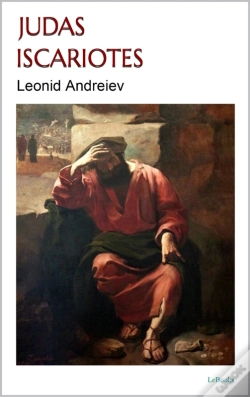
Judas Iscariotes eBook
Leonid Andreiev
language: brazilian portuguese
Publisher:
Lebooks Editora, December of 2022 ‧
see product details
1,49€
10% OFF
CARD
ZEU1VFQzVjZWbWRLV210Tk1tVnVTbmM0TVZRelNFWTVaREpuTVZNM1JXRkhRV1p3UXpoSlZrNWxkbkYyTTJKeFl5ODBXVTVxVlVjeFJUSnRWVXRKWTNWVGNGaG1VRXg2YzBaR2FqZHFTMncyV1ZOa2NXUmhRbFYxZFdkNFpXTjFURVl3UTAxQ1ZVdE9XbXcwT1hKaWVrdHNhMmhDUlUxTE16Vk5TbkJQWnpoNVVTc3dNbUZYVWt0SldIVTJWSEJSZUV0SFJHeHJXVGhIUWxoR1JHSnRUVEp2V1RGdWRrcDZOamRpYmpOR1NXVnRMMGhaTmxOQ2RHWjVVM1p1VDFkTFVESlJWRlp6VnpWMmRpdHZNMVZPYkROdGFXZE1hbmRxWm0xM2MxRkxjbms1VWtoblNWZHFkemxvYkd4bGVUSkpTaXN5VFRSRWJWa3lVV2MxTnpORkx6TkJla1Z4S3k5WlpGcG5lbGhGV2lzeWFrTnlRakZ3WkdWQmFDdGFaa2RMUW1WMVVWWXlkamxyYjIxRlJWUlpjR05IZG5vMVYwcFJNWFJvTVdsMlJXTkJjMjU0V0ZkMU0yMUtlWEJUVm1vd05pOURUVlk1ZDFKUU4xVnhPV1ZQTWpoWFZGbzJSVm81TmtwSmRtRlFRVTVQUjIwemRXc3JWMDA1TVdOblpIcFBTMmhXYnpWNVZqTkpVWEZOZWtwb1NsVnZPVWxWY0ZkWlVsa3ZXbFpWYUcxTWVESXJjMk5QYUhaMGMxaHFjbEpsVDNWRGFrY3lLekF5TWtkVmRsZHRZVzFaV1M5WE0yVlBUMjlzT0RSamJXdEJVMEpOVTFsd2NGaFNPR0Z1UW5GMlRUSm1VV05vTnpoVlRucDVLMU13WVVsdk5YQm5XR3BSZVdkeGJXSnJVbUZHVERKeVpVVlRWM2R6ZUZGaGFFWm9aV3BYUTJ0UlIwcHpiMHN4U2xGNFpVZHZSM0pwY1V0d1YzWk9jWGRyY1RCTVNVdzFPVWxtY2twak0xQklkSGt6YlZsWk1DOWxXakZZZFVwcFpXOTJhV1YxUVdadFoydzNhMjlYYkVrM01VeG5iRlF6U0VzM05rcHZNMUpXYVdNcmFFUjJRa1IwUjFjME5qUTBNRFU0Tm1oU1FuUlRiSFZrY1U5UVozSkdObVF2U1UxbFJ6WjNTVFpRZEZrcmFWSlRWVXh5ZGsxblJrTnhNbEZwWVZCU1lqRnBlU3RNVEZRNVkyOUVTSFpHYTFocFlqQXZTMFZKU0RSYVUxbEJTM2xQZDJZeE9GUlpaVVpqV1M4d05VcFZWM1pCV0VObmRVdHdWbTlKUFE9PTpDeWRDdzJwZUp4N2ltYXdLSjllbGV3PT0=
IMMEDIATE AVAILABILITY
eBook with wookreader protection
SYNOPSIS
Leonid Andreiev é amplamente considerado como um dos mais talentosos escritores da literatura russa. Em sua prosa, ele refletiu a influência do realismo de A. Chekhov, o fascínio pelos paradoxos psicológicos, de F. Dostoiévski, e uma obsessão constante pela insignificância da vida e a inevitabilidade da morte, à maneira de L. Tolstoi. Em Judas Iscaríotes, Leonid Andreiev nos leva a reftetir sobre o verdadeiro papel de Judas na paixão de Cristo e sugere uma possível interpretação: a de que a traição perpetrada por Judas seria uma espécie de designio ao qual ele não consegue resistir. Caberá ao leitor responder essa e outras questões, ou talvez, ficar mais em dúvida ainda ao ler essa pequena obra-prima de Leonid Andreiev.
DETeBook com proteção para wookreaderILS
| Property | Description |
|---|---|
| ISBN: | 9786558941774 |
| Publisher: | Lebooks Editora |
| Release Date: | December of 2022 |
| Language: | Brazilian Portuguese |
| Pages: | 130 |
| Format: | eBook |
| File Format and Compatibility: | |
| Categories: |
eBooks in Portuguese
>
Fiction
>
Romance
eBooks in Portuguese > Fiction > Fiction |
| EAN: | 9786558941774 |
| Acessibilidade: | Ver características de acessibilidade indicadas pelo editor |
ABOUT THE AUTHOR
BY THE AUTHOR
-
30%As Trevas e Outros ContosAntígona12,80€ 20% + 10% CARDfree shipping
-
10%Riso VermelhoSistema Solar12,00€ 10% CARD