

adicionar à lista de desejos
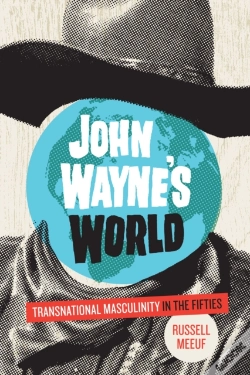
John Wayne'S World eBook
Transnational Masculinity In The Fifties
language: english
Publisher:
UNIVERSITY OF TEXAS PRESS, September of 2013 ‧
see product details
17,81€
10% OFF
CARD
WVdsMWNuQXpMMFZxUmxSS1ZXdHdNMGhGUjBSUFlqSTVVa05NUmpoQ2RsQnhZMmxTUlhKUGRWZDZNRVZvUmxsTmFFZ3pOakp3UjBaTlEycGljSE52YWt4MkwwVkhhaXROV1Zsb1ZHaDFhbXRzTVZsMWQxZFBSV1pEY3pGRk56Qk5RMHhHYm0xTVN6WjNTbEF4ZVZSV2JIQjNXRTlCVG1OR2MwVjJhSGhaY1hORlZHZDJOR3hVUVZock1GZElZMjlYTWlzMFJFODRSR3QxYVZCaVRDdFlUV0V4TXpka1pUZHljbU5rZVVsYVptbHVkRU5HTkVkMFZqZHlZakZ1SzFaQ1RDdEhZbVZLYjB4RmFYaGtaVXhQYzJsUE1WUklhRkJ5YkdWT1RuWXhabTFCU0RjdldIcHpRWG94VlRKcU0xZzVhSFZOZW1kWGNWaEJaM0ZRWVVwNmR6SkZObGRQTWpscFkwcFVSV3BwVUVsUlEzaGtWWFpPY0RkVGRsRmhNbTB4ZVVvdk1tTkxWRmxxZFdKa1luZHFORXBvU0UxeFdrZDVXbmhTTDA5SWJrRmhTRWw1UW1JM1pYQXJSelJaWjI1b2NFdDVRMVpzVTFkck9USkVaWHBQWkZKVlV6TlVSbTF0UlZkaVNVUjNOM2w2WVdGWk5HWm5hMDlIZDFaelQzcFdlbWhhYTJ4RU1WRkpjWFJ0TlRoMGEyMDRTbVF4VFZScUsyRnNRM0FyZVRkRWJHcDJNV1pFVFV4VWQwdGpkalJRYVZKbU1qUkZZbTl4YkdseU9YUXpOWEpJY2pKS1dXZFFRVXBTTWxSNUsybFFNSEJQVWtsS1JIazFUR280TlRCdk1FaDRia3A1VUhreVJtVXhkVlJrZFhKUU9FcHNRbVU0YUhScFZEWkhNV05TUzI4d2NGVlVLMlJLTTFCSWFUSTJXakJaVmxCR00zZDJVRll6TVhKbGRVbFBjWGRWYkRWNk1WcFhlVUp4ZDFNd1QxUkJRVlZuZW5waFNrRldZMGhoYTJScVFUZHlaV3B2U0dkTk1GSmtWekZsVVhOdU56QnRjWEJETkd4aFRuQlFXR1JxZDBwSlVuZERVMU15ZVZwUGVFazFVSGR5Tmt3MGFHaGpiRXhuYTJvek0xTk1UMjl3ZW05MVFXMXBjVGxVZFRWWk4xbDZaa2d4TW0xamJWRlBVbTlyZVVOalNGVmpiMHB1UlhScmJuTkNZeTlzTUZCWmVVcHNUR0Z1S3psQ2VtbHViamhUVlZKRGVHMWtaRGczUkZSaloxbHVVREpIT1hwdGNrRjRUVlpHU2psUU5YbEJZVUYzUFE9PTpuSEVMUFhEMWRwQ2ZJdWZGWjBBeWVRPT0=
IMMEDIATE AVAILABILITY
Ebook for ADE
SYNOPSIS
This cultural study examines the significance of John Wayne as a global symbol of masculinity in the mid-twentieth century.
In a film career that spanned five decades, John Wayne became a US icon of heroic individualism and rugged masculinity. His widespread popularity, however, was not limited to the United States: he was beloved among moviegoers in Asia, Africa, Latin America, and Europe. In John Wayne’s World, Russell Meeuf considers the actor’s global popularity and makes the case that Wayne’s depictions of masculinity in his most popular films of the 1950s reflected the social disruptions of global capitalism and modernization during that time.
John Wayne’s World places the actor at the center of gender- and nation-based ideologies, opening a dialogue between film history, gender studies, political and economic history, and popular culture. Moving chronologically, Meeuf provides new readings of the films Fort Apache, Red River, Hondo, The Searchers, Rio Bravo, and The Alamo and connects Wayne’s characters with a modern image of masculinity taking shape after World War II.
Considering Wayne’s international productions, such as Legend of the Lost and The Barbarian and the Geisha, Meeuf shows how they resonated with US ideological positions about Africa and Asia. Meeuf concludes that, in his later films, Wayne’s image shifted to one of grandfatherly nostalgia for the past, as his earlier brand of heroic masculinity became incompatible with the changing world of the 1960s and 1970s.
In a film career that spanned five decades, John Wayne became a US icon of heroic individualism and rugged masculinity. His widespread popularity, however, was not limited to the United States: he was beloved among moviegoers in Asia, Africa, Latin America, and Europe. In John Wayne’s World, Russell Meeuf considers the actor’s global popularity and makes the case that Wayne’s depictions of masculinity in his most popular films of the 1950s reflected the social disruptions of global capitalism and modernization during that time.
John Wayne’s World places the actor at the center of gender- and nation-based ideologies, opening a dialogue between film history, gender studies, political and economic history, and popular culture. Moving chronologically, Meeuf provides new readings of the films Fort Apache, Red River, Hondo, The Searchers, Rio Bravo, and The Alamo and connects Wayne’s characters with a modern image of masculinity taking shape after World War II.
Considering Wayne’s international productions, such as Legend of the Lost and The Barbarian and the Geisha, Meeuf shows how they resonated with US ideological positions about Africa and Asia. Meeuf concludes that, in his later films, Wayne’s image shifted to one of grandfatherly nostalgia for the past, as his earlier brand of heroic masculinity became incompatible with the changing world of the 1960s and 1970s.
DETeBook com proteção para wookreaderILS
| Property | Description |
|---|---|
| ISBN: | 9780292747470 |
| Publisher: | UNIVERSITY OF TEXAS PRESS |
| Release Date: | September of 2013 |
| Language: | English |
| Format: | eBook |
| Categories: |
eBooks in English
>
Art
>
Cinema
|
| EAN: | 9780292747470 |
| Acessibilidade: | Ver características de acessibilidade indicadas pelo editor |
-
10%Rebellious BodiesUNIVERSITY OF TEXAS PRESS31,08€ 10% CARDfree shipping
-
10%John Wayne'S WorldUNIVERSITY OF TEXAS PRESS25,67€ 10% CARDfree shipping