




adicionar à lista de desejos
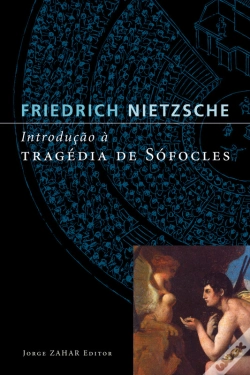
Introdução À Tragédia De Sófocles eBook
language: brazilian portuguese
Publisher:
Zahar, October of 2006 ‧
see product details
6,49€
10% OFF
CARD
TDJoMFowc3pkVEJHVFRkd1NtRnNZa0pIWlVaUmFEbEVkMmczZERSd1pISk1XRGMzV0hKVVlVZzVMemhoUnpSUmJrNVlVWFYzZFdOdVlUSTRhRFprUW1jNGNtcENjbWxpUVdkTFJHZFRNV2QzZWxCNmJtaFBSRWxCS3psU1RYWTVjVWx3Vm5CNVdHUmhNVEJ4YlV0R1kzbE5VWEJETmxKWVdUVnFLM1JGVkc1UFZWYzBkRk00Y0dwdFRucHRRbUprTVhkWE5rdEJXbXROVUhFeWVpdDJjakpFTURaamMyUmhWWEZqUVdOb2REbDZUSFZGTDBJemVGcGtNM05hVHk5SVZHOXdRbFpqZVROaFdVSkxRMmR6Vkd0UUwydEVVamxGU1ZWWlNsZHZjbTUzWVVSMFNrWkpUazByVFZoeWJteHNka0ZoYkRWTWRVWmFielJyTW01M1NGcG9hbXhsTW5aS1dGbFVSR2RwVEhac01tRmtaMWxJV1c1MldVeG1lWGhLYWtsR1Z6RnFUR1ZDYjJkR1QwNW9ValpIWjJ3NGJGZzFRVWxRVW05RVUwaDBjWEZRYmt4cVdWSlVhRlJVU2tWVGJYSnBkbVZ2UTBaMEsxWlpaV2gwVm5Sc2RrdE9SREoxV0VKNmQwOHZXR0ZDTmxnMFRXNHZUbGRLTmpWWFEzSkRNRmhKWVc0d2QyMW5ObTR6WW1KcFRYaENhblptTjNsRlVFc3djMDE0TkN0a1ZIWTRkVXczV0ZKR1FUWnJjR1J2U2tGbmN6RkVZM3BqU25Sa1QwSkdjbTVpWlV0WGNYVmhTMlJJUldWUFRTOXNRa0Y2TVhadGIxa3lUak0wY2xSSU0wSm5VRFpEYkdzMGIzcGpjRzFUY0cwclpXdEpibUZ4T0dFcmVuVm5XR1YzY0hsT1pFMHZkMXAwUm1GSVdYazNiVGd3Y0RsRlVVZHVSWEp4ZVdFNFZWcG1kSGd3WjFsWWVtZzNhVGhpVEZZNWVtUkVjbEJQYTJKb2JsSXpVR05WT0hWeGNFVm9jRGw0TmpOeGREUnpSVTFyUmxkRGREUjNTVU5sYVZwTFJuSTJXVU5XTlhCaE0wczJVbXMzUTJaQ2VGbzFlVFpzWWxBNFFTOTZURlV4V2t0WGJsaEhla05HVWxORFFYUnZWUzlDT0hSU1VGWnRRMmx3YVV0WlFVMWhibUZoTkV4elRGaFZOMVI1YUVZeWFVTnVNRTB3Y2xOMmVtRlNPVVl3TjNwWWIzcEVObWhLWkVGd2RFaDJhRzg0TVVWeWFsWlNTVWxYTVM5Wk9EYzVaRGcwYzFwc1NuVXZSa3BKUFE9PTpFaGxtLzdZMzBuM2MzMkpsL05IV3lBPT0=
IMMEDIATE AVAILABILITY
eBook with wookreader protection
SYNOPSIS
Em 1870, o jovem professor de filologia clássica Friedrich Nietzsche proferiu na Universidade da Basiléia um curso por ele intitulado "Introdução à tragédia de Sófocles". As anotações que restaram dessas aulas documentam não só as atividades do jovem e brilhante professor, mas também um passo decisivo que levaria Nietzsche a trilhar seus próprios caminhos, tornando-se um filósofo propriamente dito. Traduzida diretamente do alemão, da única publicação integral das preleções, essa edição brasileira conta ainda com dezenas de notas que esclarecem e comentam o texto e uma importante apresentação, elaboradas pelo doutor em filosofia e professor da Universidade Federal do Pará Ernani Chaves, que prepara o leitor para a entrada em sala de aula.
DETeBook com proteção para wookreaderILS
| Property | Description |
|---|---|
| ISBN: | 9788537806852 |
| Publisher: | Zahar |
| Release Date: | October of 2006 |
| Language: | Brazilian Portuguese |
| Pages: | 94 |
| Format: | eBook |
| File Format and Compatibility: | |
| Collection: | Estéticas |
| Categories: |
eBooks in Portuguese
>
Social Sciences and Humanities
>
Philosophy
|
| EAN: | 9788537806852 |
| Acessibilidade: | Ver características de acessibilidade indicadas pelo editor |
ABOUT THE AUTHOR
Friedrich Nietzsche
Um dos filósofos emblemáticos dos finais século XIX, nasceu em 1844, em Röcken, e morreu em 1900, atacado pela demência, em Weimar. As suas reflexões caracterizam-se por uma violenta crítica aos valores da cultura ocidental.
Com efeito, para Nietzsche, a decadência do Ocidente começou quando o discurso filosófico, depois de Sócrates, veio afastar a síntese que se realizara na tragédia grega, substituindo a harmonia apolíneo/dionisíaco (representando a ambivalência da essência humana, dividida entre a desmesura passional e a medida racional) por um discurso das aparências, enganador e ilusório, que transforma a realidade autêntica em metáforas ocas. Esse processo de desvitalização encontrará o apogeu com a afirmação da moral judaico-cristã, «moral de escravos», reflexo de uma maquinação hipócrita de indivíduos débeis, ignóbeis e vis numa tentativa de enfraquecer e dominar pela astúcia os valorosos.
A crítica nietzschiana acaba mesmo por abranger os fundamentos da razão, considerando que o erro e o devaneio estão na base dos processos cognitivos e que a fé na ciência, como qualquer fé em verdades absolutas, não passa de uma quimera.
Não se limitando, porém, à denúncia de um estado de espírito dominado pela submissão a valores ancestrais, impotentes para criar algo de novo e propagando a obediência e a servidão como princípios supremos, ao proclamar a «morte de Deus» e a abolição de qualquer tutela, Nietzsche passa ao anúncio de uma nova era centrada na exaltação da vontade de poder, apanágio do homem verdadeiramente livre, o super-homem, que não conhece outros ditames além dos que ele próprio fixa. No entanto, o super-homem não é unicamente dominado pelo egoísmo, cabendo-lhe dirigir a «massa», anónima e ignorante, para um estádio superior em que os valores vitais, a alegria e a espontaneidade permitam a reafirmação do instinto criador da humanidade.
Pensador paradoxal, associa ao super-homem a consciência do eterno retorno, procurando, talvez, exprimir o aspeto cíclico dos movimentos históricos ou a impossibilidade de, alguma vez, ser atingido um grau supremo de perfeição no devir do Homem.
Expressando-se de forma aforística e mantendo todas as suas afirmações no limiar da inteligibilidade imediata, Nietzsche foi um filósofo ímpar, tão inovador como polémico: ao exaltar, em detrimento da razão, a faculdade da vontade como núcleo da essência humana e verdadeiro motor do devir e colocando-se numa posição de profundo ceticismo face aos fundamentos da ética e da moral, abalou profundamente os pilares do racionalismo, sendo por isso considerado como um dos «filósofos da suspeita» (ao lado de Marx e Freud), na esteira da «crise da razão» que marcou profundamente a filosofia no século XX.
Entre as suas obras são de destacar:
A Origem da Tragédia (1872), Humano, Demasiado Humano (1878), Aurora (1881), A Gaia Ciência (1882), Assim Falou Zaratustra (1883-85), Para além do Bem e do Mal (1886), A Vontade de Poder (1886, editado em 1906), A Genealogia da Moral (1887), Ecce Homo (1888), O Anticristo (1888).
BOOKS FROM THE SAME COLLECTION
-
eBook10%Nietzsche E A Polêmica Sobre O Nascimento Da TragédiaZahar5,49€ 10% CARD
-
eBook10%O Nascimento Do TrágicoZahar7,99€ 10% CARD
BY THE AUTHOR
-
10%Para a Genealogia da MoralRelógio D'Água14,13€ 10% CARD
-
10%Humano Demasiado HumanoRelógio D'Água14,13€ 10% CARD