




adicionar à lista de desejos
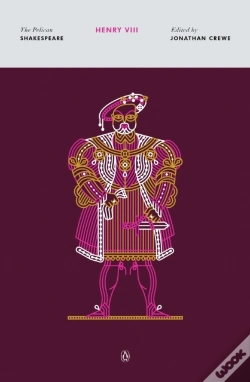
Henry Viii eBook
language: english
Publisher:
Penguin Publishing Group, April of 2018 ‧
see product details
9,82€
10% OFF
CARD
WVRBM1NUazNjMHQ0TVV4YWVFSlJkRVV5SzFOTWRFbFpVVWxqVTJKbU5qVnBObEpYTkd0SmFEQnNWalpvZEZWbVpuVm9lSGwxU0ZkUWNuVlhObXh6WVc1Q2JUUXhSbGhUY1Zac1ZYQlNORE5PTm5CdFZITmxiemR2UjNocVFrbDJTRXRWYVdOVGVtNVRZV2hyWkN0WmNYTjVXRlUxUmxoeVEwdG9TR0p2YjNWRGNtbEdkRW93VVRkT1RrczVUWFpSVW1RNVdYUm1VME13TkdoR1N6UTBXWEJYVEdOa09EZFlhRE5vVW1GVldXWmtiak54Vm1KRWRHWnBhSE5zVm1ST1NUZERkekZxYjNrcmMyWkZTUzh3TjJGNVJtOURkMmsxTWtJeVlUTTNRa2N6TVVadmRHTmhNbEpOY25sbmFIWTBPVkE0T1hSVVdsTnpSM0ZSTUZwR1dYaEZjemx2TnprNE1YWlBiekJEUzJ4M2EyRjRjMFIyYURaeE5GUmFLM0I2VW1oSmEycGhRbFJOVXpaMU1uSXhPVGhwYkZOUloxTkxXQzkyYVhwalRVMUZhVzExUm1wak9EVmFSamh3ZFhKd04xRkhSbVJIUm5KSWNrUlBOWGxQWTJKTFIxRmlObEJZVWs5SVZXeDNNR0ZFTWpreE5FbHpObmxWYUZkcWMwSlpObll6WWxsc1l6aE1MMDlCZDFkMWJXVkRUamd4ZVdGaWF6aGtNRmt2Y1VWVU0wSlhWSHBEVlVsRWEwSkZaRm8zV0ZWcWJYWk9iVkV4ZVdzeFQwVnRObVI0WjJ0SFkxbE5aamxKTW1WT0wwZFFSRXBsV2xOamJsZEtUMUJJVmpGMWVWSlRRa3RLVldGbFZ6azNjM1ZPVGxsUFNTdGxaVUZDVGxOc1RGTjZUMll2ZEU1Q1lqUlNaRVlyVlc5T2JYSm1aek16YTBKQ2JEZERXbGR3YmxwcllXUlhTWFJ6Uldsa1kzUklhU3N2UTJVdk1XSnZZMlZxYUdscU9FdDZia0Z6VmtNMGNVeHJNVU0xY1hsUFZFaHNkazFsT0hsWVNrNXNRMnhtTDNoRFRrWnNlbFl2TDBGTFMxZ3ZiWE5CZFdkRmRrOVlUblZzY2tRMlQxUTNRV1kyV21Rd2FTdElPSGhwVWtaWk0yRmpNMFZRU0dKUlV6ZHpkMEpNYkhsR1FuRlBVSGRJWVVoMGEzQjBhM2xWWjJSSE5FZEZhMFpFZUc5Q2EzWXJlSFoyY1dvMGRUVlRaalZFTm5ab1dFaHhRM3BHVXpFclJFb3JTbXBvUTFWUGNFMUViMFZIWTJ4dFZUVnNaM3BuUFE9PTpEY1BFUHdzUkpFRDFYWmJqS1M3WmhBPT0=
IMMEDIATE AVAILABILITY
Ebook for ADE
SYNOPSIS
The acclaimed Pelican Shakespeare series edited by A. R. Braunmuller and Stephen Orgel
The legendary Pelican Shakespeare series features authoritative and meticulously researched texts paired with scholarship by renowned Shakespeareans. Each book includes an essay on the theatrical world of Shakespeare’s time, an introduction to the individual play, and a detailed note on the text used. Updated by general editors Stephen Orgel and A. R. Braunmuller, these easy-to-read editions incorporate over thirty years of Shakespeare scholarship undertaken since the original series, edited by Alfred Harbage, appeared between 1956 and 1967. With definitive texts and illuminating essays, the Pelican Shakespeare will remain a valued resource for students, teachers, and theater professionals for many years to come.
For more than seventy years, Penguin has been the leading publisher of classic literature in the English-speaking world. With more than 1,800 titles, Penguin Classics represents a global bookshelf of the best works throughout history and across genres and disciplines. Readers trust the series to provide authoritative texts enhanced by introductions and notes by distinguished scholars and contemporary authors, as well as up-to-date translations by award-winning translators.
The legendary Pelican Shakespeare series features authoritative and meticulously researched texts paired with scholarship by renowned Shakespeareans. Each book includes an essay on the theatrical world of Shakespeare’s time, an introduction to the individual play, and a detailed note on the text used. Updated by general editors Stephen Orgel and A. R. Braunmuller, these easy-to-read editions incorporate over thirty years of Shakespeare scholarship undertaken since the original series, edited by Alfred Harbage, appeared between 1956 and 1967. With definitive texts and illuminating essays, the Pelican Shakespeare will remain a valued resource for students, teachers, and theater professionals for many years to come.
For more than seventy years, Penguin has been the leading publisher of classic literature in the English-speaking world. With more than 1,800 titles, Penguin Classics represents a global bookshelf of the best works throughout history and across genres and disciplines. Readers trust the series to provide authoritative texts enhanced by introductions and notes by distinguished scholars and contemporary authors, as well as up-to-date translations by award-winning translators.
DETAILS
| Property | Description |
|---|---|
| ISBN: | 9780525503972 |
| Publisher: | Penguin Publishing Group |
| Release Date: | April of 2018 |
| Language: | English |
| Format: | eBook |
| File Format and Compatibility: | |
| Collection: | The Pelican Shakespeare |
| Categories: |
eBooks in English
>
Art
>
Performing Arts
|
| EAN: | 9780525503972 |
| Acessibilidade: | Ver características de acessibilidade indicadas pelo editor |
ABOUT THE AUTHOR
William Shakespeare
Poeta e dramaturgo inglês nascido em 1564, em Stratford-Upon-Avon, e falecido em 1616. O seu aniversário é comemorado a 23 de abril e sabe-se que foi batizado a 26 de abril de 1564. Stratford-Upon-Avon era então uma próspera cidade mercantil, uma das mais importantes do condado de Warwickshire. O seu pai, John Shakespeare, era um comerciante bem sucedido e membro do conselho municipal. A mãe, Mary Arden, pertencia a uma das mais notáveis famílias de Warwickshire. Shakespeare frequentou o liceu de Stratford, onde os filhos dos comerciantes da região aprendiam Grego e Latim e recebiam uma educação apropriada à classe média a que pertenciam. São conhecidos poucos factos da vida de Shakespeare entre a altura em que deixou o liceu e o seu aparecimento em Londres como ator e dramaturgo por volta de 1599. Em 1582 casou com Anne Hathaway, oito anos mais velha do que ele, e o casal teve três filhos: Suzanna (nascida em 1583), e os gémeos Hamnet e Judith (nascidos em 1585). A primeira referência a Shakespeare como ator e dramaturgo encontra-se em A Groatsworth of Wit (1592), um folheto autobiográfico da autoria do dramaturgo londrino Robert Greene, onde o escritor é acusado de plágio. Nesta altura Shakespeare era já conhecido em Londres, embora não se saiba com exatidão a data do seu aparecimento na capital. Em virtude do encerramento dos teatros londrinos entre 1592-94, Shakespeare compôs nessa época dois poemas narrativos: Venus and Adonis (publicado em 1593) e The Rape of Lucrece (publicado em 1594). No inverno de 1594 integrou a mais importante companhia de teatro isabelina, The Lord Chamberlain's Men, onde permaneceu até ao final da sua carreira. A companhia deveu à popularidade de Shakespeare o seu lugar privilegiado entre as restantes companhias de teatro até ao encerramento dos teatros pelo Parlamento inglês em 1642. Em 1598 foi inaugurado o Globe Theatre, o teatro da companhia a que Shakespeare se associara, construído pelo ator e empresário Richard Burbage no bairro de Southwark, na margem sul do Tamisa. Depois da ascensão ao trono de Jaime I (em 1603) a companhia The Lord Chamberlain's Men passou para a tutela real, e o seu nome foi alterado para The King's Men. A passagem de Shakespeare pelos palcos associa-se a breves desempenhos: Adam na peça As You Like It e o fantasma (Ghost) em Hamlet. Depois de ter comprado algumas propriedades em Strattford, Shakespeare retirou-se para a sua terra natal em 1610, mantendo todavia o contacto com Londres. O Globe Theatre foi destruído pelo fogo no dia 23 de junho de 1613, durante uma representação da peça Henry VIII. Além de uma coleção de sonetos e de alguns poemas épicos, Shakespeare escreveu exclusivamente para o teatro. As suas 37 peças dividem-se geralmente em três categorias: comédias, dramas históricos e tragédias. Entre os dramas históricos, género que primeiro cultivou, destacam-se Richard III (Ricardo III), Richard II (Ricardo II) e Henry IV (Henrique IV). Entre as suas comédias contam-se Love's Labour's Lost, The Comedy of Errors, The Taming of the Shrew, a comédia de intenção séria The Merchant of Venice (O Mercador de Veneza), As You Like It (Como Quiserem) e A Midsummer Night's Dream (Um Sonho de Uma Noite de Verão). A tragédia não é uma forma que pertença exclusivamente a um determinado período na evolução da obra de Shakespeare. Sob influência de Marlowe, a forma de tragédia já se encontrava nas peças que dramatizavam episódios da História inglesa. Em Romeo and Juliet (Romeu e Julieta) e Julius Caesar (Júlio César) Shakespeare combinou a perspetiva histórica com uma interpretação trágica dos conflitos humanos. O período em que Shakespeare escreveu as suas grandes tragédias iniciou-se com Hamlet, escrita entre 1600-1602, a que se seguiram Othelo, Macbeth, King Lear, Anthony and Cleopatra e Coriolanus, todas elas compostas entre 1601 e 1608. Na última fase da carreira de Shakespeare situam-se as peças de tom mais ligeiro: Cymbeline, The Winter's Tale e The Thempest. Parte das obras de Shakespeare foram publicadas durante a vida do autor, por vezes em edições pirateadas, mas só em 1623 apareceu a edição "Fólio", compilada por John Heminges e Henry Condell, dois atores que tinham trabalhado com Shakespeare. No século XVIII as peças foram publicadas por Alexander Pope (em 1725 e 1728) e Samuel Johnson (em 1765), mas só com o Romantismo se compreendeu a profundidade e extensão do génio de Shakespeare. No século XX reforçou-se a tendência para considerar a obra de Shakespeare integrada nos contextos dramáticos que a suscitaram.
(see more)BOOKS FROM THE SAME COLLECTION
-
eBook10%Taming Of The ShrewPenguin Publishing Group12,64€ 10% CARD
-
eBook10%Julius CaesarPenguin Publishing Group9,82€ 10% CARD
BY THE AUTHOR
-
30%HamletAssírio & Alvim13,32€ 20% + 10% CARDfree shipping
-
30%MacbethPenguin Clássicos10,36€ 20% + 10% CARD