
adicionar à lista de desejos
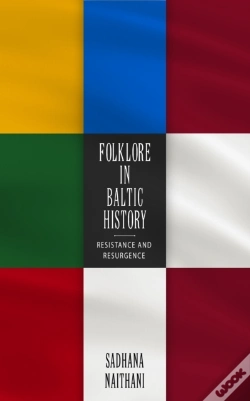
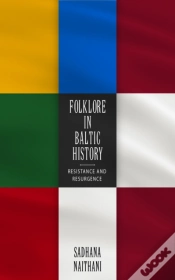
Folklore In Baltic History eBook
Resistance And Resurgence
language: english
Publisher:
UNIVERSITY PRESS OF MISSISSIPPI, May of 2019 ‧
see product details
39,75€
10% OFF
CARD
ZVUxd1lUZEliV0pFY0ZCQ1RubDBheXRUWVdGTVZWTnBlV055U0VjM1pYZFNRVTlDVmtWak5IaFRUWEJEY1U5bGFucHliMHRvU0VOblptOUZNREZWUVd4MlNtTk5PRGQ1VTFGNVVYZHBaMGhIVldSQ09XY3plRFV2VEVreGVtZExjWGRhTVdGSkwzcEVSRWRGVkVoaWRUbEVVV1I2YUVrNWN6UjRRVmR4WjI5b2NrVTBOM05wYmpReE1sZ3llbEk1VVdwSmJ6ZFliWEpWYjI5NWJ6Vk5SWFJKYW5aWlJVSjVValpJYW5sdlQwUkROVVZPTDBVM016WkpNMHBpUWk4emQxUnZiRnBRTnpOME0xZzJUR0p3VDFCcFRubE5aRzl0VkZORFFsWm1VVVZ5VWt0dmRuTk5VVFJpTVVaaE0xSk9hVFZKVFdrM2QyaHVibTVJUVRZeFJ5dHJVMlJITm5Nd01rOXVTVTFZTWxOSFFrNWtiWE5rVDFwRlIzaERZVmx1UkZkQ1JURkdiazFhSzJrMGNXaG9lV2RVZGpoeWF6RjFTME13TVdKaVFrNURTVVphZVZsRFFsSlBjR05qYVV4RlRVUXJNRFpMYTFoUVExY3ljak5GT0VkM2FFRlNVVlJQWTBReFEwRTRaM281SzJSQ1FVSkhPU3RYWms1aVJrNDNaVXBwVlhGUVRrSlZWVGx2ZVd0MVZtOHJTbGx5VWpac2FFMVZaMkZNZFRkUVkyVjJSalpCY0RkME1Hd3dSbk5pVlhGTk1IRnVSVlF5Y0RSWFJUaDFZbEU1TUVKWlZqUlZZbTk1YTBsQmFqRTVUR3QyVWxKellXaGhaRzVKU21Sb1owc3ljRlo0VUhNd1pYWkNhMUpsWlZSVk9WbHZhVE42VVhBcmJraDJTVTlRV25OSFZrVTJkbWhIY0d4RU0yWmxkVk54ZW5GdWFrcEZTelJzTUM4NVNWUk5kRVZ2UWtSd1NEbHlNMjAyTVVGVFQyRjVNbTVNYUhsSVIzaHJWM1o2Ym5OSVRFTnRjVmhVTlhwVlUydHJTR2xyVjB0a1RWVkJNamxZUkV4ek1ua3lkemRvYTNscGNHWjBNVkp2UlRWMFJEbFBVRmhvY1VOMlYySlFLMUpXV1dSTWRsRjFVVGxVV1dKM1Z6bEJjWEZxWVVGS1MyTnpaWEJSWVU5M1RHNXRWR1IyYVhreGEzRnlOMFI0VldoRFZVb3JTRUpCWmxkblpURnZXR3RHTlRobVFXUXdWRlZOY21KUGFuaFNhVGg1T1RFM01uTlVWblJxTUdVNU5HeGxTbkJ6VVVoSVlpOWljR2xCUFE9PTo5ckN2UktYaUp3QnNvL3FLempwOTBnPT0=
IMMEDIATE AVAILABILITY
Ebook for ADE
SYNOPSIS
Folklore in the Baltic History: Resistance and Resurgence is about the role of folklore, folklore archives, and folklore studies in the contemporary history of Estonia, Latvia, and Lithuania—together called the Baltic countries. They were occupied by Russia, by Germany, and lastly by the USSR at the end of the Second World War. They regained freedom in 1991.
The period under the rule of the USSR brought several changes to their societies and cultures. Individuals and institutions dealing with folklore—archives, university departments, and folklorists—came under special control, attack, and surveillance. Some of the pioneer folklorists escaped to other countries, but many others witnessed their institutions and the meaning of folklore studies transformed. The USSR did not stop folklore studies but led the field to new methods. In spite of all the pressure, folklore continued to be a matter of identity, and folksongs became the marching songs of crowds resisting Soviet control in the late 1980s. Since independence in 1991, folklore scholars and institutions revamped and reconstituted folkloristics. Today all three countries have many active scholars and institutions.
Sadhana Naithani recounts this resilient arc through an intermedial and interdisciplinary methodology of research. She combines the study of written works, archival documents, life-stories, and conversations with folklorists, ethnologists, archivists, and historians in Tartu, Riga, and Vilnius. She recorded conversations on video, creating current reflections on issues of the recent past. Based on the study of life-stories and oral history projects, Naithani juxtaposes the history of folkloristics and the life of the folk in the Soviet period of the Baltic countries. The result is this dramatic, first-ever history of Baltic folkloristics.
The period under the rule of the USSR brought several changes to their societies and cultures. Individuals and institutions dealing with folklore—archives, university departments, and folklorists—came under special control, attack, and surveillance. Some of the pioneer folklorists escaped to other countries, but many others witnessed their institutions and the meaning of folklore studies transformed. The USSR did not stop folklore studies but led the field to new methods. In spite of all the pressure, folklore continued to be a matter of identity, and folksongs became the marching songs of crowds resisting Soviet control in the late 1980s. Since independence in 1991, folklore scholars and institutions revamped and reconstituted folkloristics. Today all three countries have many active scholars and institutions.
Sadhana Naithani recounts this resilient arc through an intermedial and interdisciplinary methodology of research. She combines the study of written works, archival documents, life-stories, and conversations with folklorists, ethnologists, archivists, and historians in Tartu, Riga, and Vilnius. She recorded conversations on video, creating current reflections on issues of the recent past. Based on the study of life-stories and oral history projects, Naithani juxtaposes the history of folkloristics and the life of the folk in the Soviet period of the Baltic countries. The result is this dramatic, first-ever history of Baltic folkloristics.
DETAILS
| Property | Description |
|---|---|
| ISBN: | 9781496823601 |
| Publisher: | UNIVERSITY PRESS OF MISSISSIPPI |
| Release Date: | May of 2019 |
| Language: | English |
| Format: | eBook |
| File Format and Compatibility: | PDF para ADE |
| Categories: |
eBooks in English
>
Tourist Guides and Maps
>
Europe
eBooks in English > Social Sciences and Humanities > Sociology eBooks in English > Others |
| EAN: | 9781496823601 |
-
10%The Inhuman EmpireTAYLOR & FRANCIS LTD55,96€
62,18€free shipping -
10%The Inhuman EmpireTAYLOR & FRANCIS LTD188,59€
209,54€free shipping