adicionar à lista de desejos

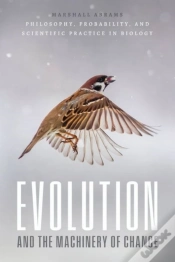
Evolution And The Machinery Of Chance eBook
Philosophy, Probability, And Scientific Practice In Biology
Book
eBook
language: english
Publisher:
University of Chicago Press, July of 2023 ‧
see product details
46,36€
10% OFF
CARD
YkVST01XMHJSa2N5TkVNeE1IcExaRnB5TDFKMFF5OXBkM2N2VGtwbWFVUklWVzVDVUZWVmF5dHhTMWhEVFRoRFpYZHNRV00yYVRCeGNEUlhNM1pLZURSQkswUk5iV2Q2Y3pVeVJFUnNkbEpaWjFsTWJuSk1kMWRVVlRCSE1qaG9UbGs1YnpsTmNXODVXR0paYjNBd2JYSXhZa293UkdoMldVbDFkbmQwWVdwU2JuUTBRVXhTT0hsYU56Tk9WVlU1ZVdsT05IaDZhVTF6WVZkck1HbHdUVEZHYlVGellsQTNMekkwV0VsNU1FZ3pPSEk1ZWxGRVZYWlpjWHBMWkZaRE1HeFZVVGRrWlZSd2FGa3lUVWRNY2s1SmJHaE5jbWxDZUhGNGFYZGlkRUZFT1RWVWVrdHBWR0pMY1ZsbVdYSTNVSEpUYjNKMWFsbGpOMlI2UmxkVU0xaHBkbmhrTm01eVJsaFdPSGw0YkZKWFUyTnBieXRoZWtwT0wxSkhkV3d4YTJOR1ptZFBUblI0TVZReU9HbzNiVEV5U214ck1uRXhkRVJXZFVrMVRHaFVlV2t3VDA4MlVscFBPWHAwUm5rMU5rZHBSMUZ1ZFhCa1IyRkpTV3BFV0VFcloxSXpSWFZvVTNGTmVrbEJZV0Z5VkZCWGVYaDBkVXREVm1GcVVIRnNSVWQ2Vm5SM1pYQkNiek42WlRjclducDFZMVJNVERKUVp6UnZVVVJWV2pkaFkxcDBlR2RFU0UxcmNrNVBWbUZhY0RJclp6QmpZWFprUTJSdU1HOXNjM0o2VGxWME4wNHJVMngzYkd3M2N6QllSMHBUVjNCSU9FVTFXVVI2TlVGQ1RFd3daMUpwTkdKTVlVOHdNV2hSWVZKWFNFNUhMMFkwTUdwR2NVd3ZURTl1UVVaTFJpc3llV2x5Vm1GcGVuaHliMnQyU1hkSlZGZFRaM2REUzNWdGRTczFVM2xEYUVoSFpVOURkbkJGUzB0R04zZGlSSEU0U210NmVsWmtSblZrZVRCM1lWQTVOMUkwWVZsck1HRlJLMWRuTURoM1RubGlhbkEyYUhSMlNVNHhVa1JzTDJSbWFVZERSakV3Y1hGU1lrb3pjbGxEZG1zeVdqSk1jamhIU1dSU1NISnhNQzg0ZVRrM01FRkJNMVZsYzFwbksydG9lV2c0ZHpoWFYybENNVXhhYjBvNVVFWnBORlo2TDNoUlIwNXZaWGRLZVRKc05GSmpWV1JoT0ZCRlduVlBlVTlqVW5SRk9FWnJXV1V5TVhscU4yaGxZbGw1WVhsRWFWZDBNR1oxZGxWaFMwODFiMUV3UFE9PTp4aFdvM0pBTkVRMHVnOHBEZ0dGVkx3PT0=
IMMEDIATE AVAILABILITY
Ebook for ADE
SYNOPSIS
An innovative view of the role of fitness concepts in evolutionary theory.
Natural selection is one of the factors responsible for changes in biological populations. Some traits or organisms are fitter than others, and natural selection occurs when there are changes in the distribution of traits in populations because of fitness differences. Many philosophers of biology insist that a trait’s fitness should be defined as an average of the fitnesses of individual members of the population that have the trait.
Marshall Abrams argues convincingly against this widespread approach. As he shows, it conflicts with the roles that fitness is supposed to play in evolutionary theory and with the ways that evolutionary biologists use fitness concepts in empirical research. The assumption that a causal kind of fitness is fundamentally a property of actual individuals has resulted in unnecessary philosophical puzzles and years of debate. Abrams came to see that the fitnesses of traits that are the basis of natural selection cannot be defined in terms of the fitnesses of actual members of populations, as philosophers of biology often claim. Rather, it is an overall population-environment system—not actual, particular organisms living in particular environmental conditions—that is the basis of trait fitnesses. Abrams argues that by distinguishing different classes of fitness concepts and the roles they play in the practice of evolutionary biology, we can see that evolutionary biologists’ diverse uses of fitness concepts make sense together and are consistent with the idea that fitness differences cause evolution.
Abrams’s insight has broad significance, for it provides a general framework for thinking about the metaphysics of biological evolution and its relations to empirical research. As such, it is a game-changing book for philosophers of biology, biologists who want deeper insight into the nature of evolution, and anyone interested in the applied philosophy of probability.
Natural selection is one of the factors responsible for changes in biological populations. Some traits or organisms are fitter than others, and natural selection occurs when there are changes in the distribution of traits in populations because of fitness differences. Many philosophers of biology insist that a trait’s fitness should be defined as an average of the fitnesses of individual members of the population that have the trait.
Marshall Abrams argues convincingly against this widespread approach. As he shows, it conflicts with the roles that fitness is supposed to play in evolutionary theory and with the ways that evolutionary biologists use fitness concepts in empirical research. The assumption that a causal kind of fitness is fundamentally a property of actual individuals has resulted in unnecessary philosophical puzzles and years of debate. Abrams came to see that the fitnesses of traits that are the basis of natural selection cannot be defined in terms of the fitnesses of actual members of populations, as philosophers of biology often claim. Rather, it is an overall population-environment system—not actual, particular organisms living in particular environmental conditions—that is the basis of trait fitnesses. Abrams argues that by distinguishing different classes of fitness concepts and the roles they play in the practice of evolutionary biology, we can see that evolutionary biologists’ diverse uses of fitness concepts make sense together and are consistent with the idea that fitness differences cause evolution.
Abrams’s insight has broad significance, for it provides a general framework for thinking about the metaphysics of biological evolution and its relations to empirical research. As such, it is a game-changing book for philosophers of biology, biologists who want deeper insight into the nature of evolution, and anyone interested in the applied philosophy of probability.
DETeBook com proteção para wookreaderILS
| Property | Description |
|---|---|
| ISBN: | 9780226826622 |
| Publisher: | University of Chicago Press |
| Release Date: | July of 2023 |
| Language: | English |
| Format: | eBook |
| Categories: |
eBooks in English
>
Science
>
Other sciences
|
| EAN: | 9780226826622 |
-
imagem não disponívelEvolution And The Machinery Of ChanceEvolution And The Machinery Of ChanceTHE UNIVERSITY OF CHICAGO PRESS37,85€free shipping
-
Evolution And The Machinery Of ChanceTHE UNIVERSITY OF CHICAGO PRESS135,19€