

adicionar à lista de desejos
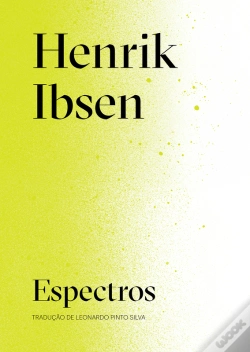
Espectros eBook
language: brazilian portuguese
Publisher:
Carambaia, June of 2022 ‧
see product details
1,99€
10% OFF
CARD
ZDB0WFMwZDZOSFZFTkVGb0wybHJWM1poVjNoYVNFTm5TRlZ0ZGtkb1pEaHFiVlJMYTBKb2RUbDBZbWszWWxwM1EwNXlVMHRKYTBaRWFYazNXRVl3UkVGbk1GRnhNM0JLYW1ka2Vrb3JTV05vTDNJM09HWldNbmxMUnprelFUZFpPVFZtYWxsa1IyUkRTRTFxV2xGTlIyWkRjMkpsUVhBMU4xVXliVlJ1UlVWc2JHVlBTMkpZVVhoemFIaEdTMmx2UzFWSE5uQnNNMVEwWVVNMllXcDFVRk5YYjNsa1pqZ3lUVTk2V1ZoT2NYUjFaR2xOTWxoa01rNUtaM0UwVjNaRWVXSjBkSGhNWnpsRVZTdDNTVkUxTWtzeVkxUmhiU3RTYUdKRlpETllVa1pWVUVvMWNWZFhNRUZSZURGSlNHMWlWMnB1TDFSNlNIaFpka1EyVVRsMlFVTm1RMk15ZG5oTllWcGhUMnA0YW5wbGMxUjZja054WVc5cVZVZFpOVTlTU0VKNVNVazNUa1ZRVEdOd2JUVm1WWFZwVDFCSGJpdFllamdyTlRsV1NsZHJlV1FyY0cxM2JUZEROemxTYjFsNk9GVTFUREpSVEc1RFoyUnhhbkp0V2tOM1ZtNTBSMGxuVVVWS1NteExUMWh6WTNSVVRWRmFhbk5yYkdrNU5qaFFRblZhVDJReVRGTlNkbVJyWVVScVNITlZNVTEwUjB0V01YWTJNMHMzT1ZONWVWSTJSazlrVEN0clJraHpaVnBhWWpCNFRVeGlUVFZKZVV4Sll6WklOWE0yUVhaM1JFeFNTR2xMVERsM1JtWnNkRTUwZHpSNE1VSXhRbk5vT0ROUFJscDRORUpqWXpOemNYVjFVemxqYzJKV1lsTnVOMlVyTm05T2JtRlFVek5sZVdsVU0yeHZVRTltUVU5R1ZESjVhVTVQYlZKTVJFSnJkWFIyUlZoM1MzcG9UelJ0WnpsamJrdGhaSEZ4WWpKNldVdG1XR3BvVjFwbFFVaElObmhQVEdnMmRGZ3hkRXhUWW05TVpVeDVhbk5tWW5RNVJqUm9jU3RVTUc4MWJEQTBjMVJvV2pkdlRVOWtPRnBZU2xwTVZuZHVRMkpUZUhoMlJscHZjak4zTW1SYVJIRnVaUzlMZEhwQk5tZHJiVUpGYUhwNU1WUnVWQ3RyTDJGd1oycHVNRkZPTldOVFpXWkVLemRaVWtvelJISk5OWEpaVDBaRWIySTNURE5aWWpnelRubE1ZMDlyZVN0R2JITXJjV0pRYjBsT1RuWndlR2wwZFhNeWNVeEJNRVpDWjNRMGNqUmpNekpSUFE9PTp3TTFZbTdIVmZhWGhmb0VnWTUzWmNBPT0=
IMMEDIATE AVAILABILITY
Ebook for WOOK READER
SYNOPSIS
Uma das principais peças do dramaturgo Henrik Ibsen, considerado o pai do realismo no teatro moderno. Suas obras despertaram polêmica em sua época ao propor o debate sobre grandes questões morais da sociedade
Espectros, que muitos consideram a continuação de Casa de bonecas, chegou a ser proibida em vários países, ao tratar de temas como a ocorrência de doenças venéreas, abuso sexual, filho bastardo e até eutanásia no seio de uma família tradicional.
Ibsen foi um dos abalos sísmicos que constituíram o grande terremoto trazido pelo modernismo à cultura ocidental. Nas palavras do crítico Aimar Labaki, autor do posfácio, "para além de uma obra teatral responsável pela fundação do drama moderno, o trabalho de Ibsen criou, na linha de Freud, Darwin, Marx e Einstein, a base do que seria a consciência do homem ocidental no século XX".
DETAILS
| Property | Description |
|---|---|
| ISBN: | 9786586398779 |
| Publisher: | Carambaia |
| Release Date: | June of 2022 |
| Language: | Brazilian Portuguese |
| Pages: | 180 |
| Format: | eBook |
| File Format and Compatibility: | |
| Categories: |
eBooks in Portuguese
>
Fiction
>
Fiction
|
| EAN: | 9786586398779 |
ABOUT THE AUTHOR
BY THE AUTHOR
-
10%Casa de BonecasPenguin Clássicos9,86€
10,95€ -
10%An Enemy Of The People, The Wild Duck, RosmersholmOxford University Press14,86€ 10% CARD