




adicionar à lista de desejos
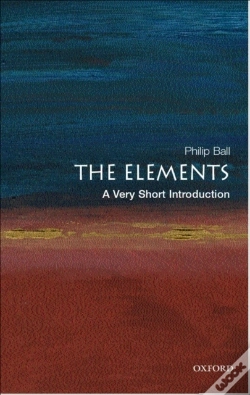
Elements eBook
A Very Short Introduction
language: english
Publisher:
OUP Oxford, April of 2004 ‧
see product details
9,92€
10% OFF
CARD
Y2pWck1TOVhjV3R4Y2pFd1FXSjZSV0ZCVmtJMlZEbDNUV1p1WnpCclZuVnBUamRIUnpCMllsQkxWamRsZVZsVGIwSnROMFpuZVRSME1TODVVVmswTkdReVNYUnFlbUoyTURGWlpVSkJhVTFIWjI1NWNsTnVXbWh0Wm5sTU5WbzBPVEp6TVRsQlUyRm5WMlZ3UVdSb1pEQm1SVk00YW14NGNFZGhUWE13VEZsaGJsbHBSMjVUVEc5VVpuRlFkbFl3U0RSS1VGQnJORWxsY0haVFZIb3liVEZoWm5OelVVVmtZa2xTWVRkVkwwSlBRblZIWVVGMGVuRmtXVXRrYTNwbVdXczVURTl1YXpKak1rdFdiVlZ0U2pSWVZXTklNbk13UmtwcU9Xa3dMM2xOTlRkT1prUk1TelJhU1haUVFpODVTblpWWTFnM1JtZElNWEJFY2tWRWIzUTFaVzVVV1VNeloxTTRZamxRYlZrdlQyazFkMDkzZDFKdFEyOXhhRUpxYzAxVWVFTjJRV1l4Wnk5SGNVZFVRemx5UnpBMFlqTmxRWHBzY1ROc1JGVjVLeTlPYVhaaFVuSlhkVFFyWkZKU1lVVnpVWGhYU0ZCNVpFcE9aM00xZEdjdmNtNURha2MyZDJsYVJ6aGhha05CTTJwa1owTlVNRkpJUW5CQ04zcGtWeXRKTUU1RWVVOUJiMGhFVG1ONFJVVlZlV1E0Ulhka0swUmpaVFZ6VDNFdlRDdG5WbEJvZG01c2JWTmtkemhpU1RKc016SnVaaTg0UW5neGNISlJSa1YwVW5odGJTOUhaakZrVTNkS00wMW5TMnBHY0dwU1dsaFhkM2hDUTNGV2IwMUNaRXhyVTFKb1RFOWxNSEVyVTBwb1QyVnpRVlIwZVZCak9WVkdlbE14YlRKWVJrcG9kbEpNWVZoMFF6bGFiV2M0Tm1WamJDODVSVEJCY1RKNVZrOUVaMEppWmxOcFdTOXBjUzh5WXpObU5VdERTM0pIWmxVMFFqUjZTVlZXTkZFeVZYRlpRV2sxUldrd2RGbHphVEJUYW5rMU0yUlhSMVF2U1V0UmNYZGhXV2c1ZUZoQlNEZFpiaXRVUTFKWGEwcENNR3R6WVhWdU4xaFpUM3BJUWxsaFkxZGpkbTl4WTJ0VU0wRnRiMlF3WW5kVldGa3hZbEF3VjFZelJFaFhaVzVPVmt4WldUY3piV1pXV0U5WlYyWm9lbGxuTVcxTFV6TkRPSEZ2VjJsUlVVTnZNREY2TWxCNVJrWnVia1pTVG1KcU5HSk5jemhYZHpGWFkwaFdWa3BKVFRGcVNFSnRVRUZuUFE9PTpyaEwzaTFwYlZ5SmMzeFh4VDdwMVB3PT0=
IMMEDIATE AVAILABILITY
Ebook for ADE
SYNOPSIS
Traces the history and cultural impact of the elements on humankind, and examines why people have long sought to identify the substances around them. Looking beyond the Periodic Table, the author takes us on a tour: from the Greek philosophers who propounded a system with four elements to the modern-day scientists who are able to create their own.
DETAILS
| Property | Description |
|---|---|
| ISBN: | 9780191578250 |
| Publisher: | OUP Oxford |
| Release Date: | April of 2004 |
| Language: | English |
| Format: | eBook |
| File Format and Compatibility: | |
| Collection: | Very Short Introductions |
| Categories: |
eBooks in English
>
Social Sciences and Humanities
>
History and Scientific Methodology
|
| EAN: | 9780191578250 |
| Acessibilidade: | Ver características de acessibilidade indicadas pelo editor |
ABOUT THE AUTHOR
BOOKS FROM THE SAME COLLECTION
-
Feminist Philosophy10%Oxford University Press12,16€
13,51€ -
Ethics10%Oxford University Press13,51€ 10% CARD
BY THE AUTHOR
-
Bright Earth10%Vintage Publishing22,97€ 10% CARDfree shipping
-
Três Grandes Perguntas10%Planeta Tangerina21,60€
24,00€free shipping