


adicionar à lista de desejos
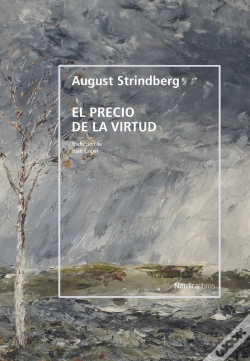
El Precio De La Virtud eBook
language: spanish
Publisher:
NORDICA LIBROS, April of 2020 ‧
see product details
3,99€
10% OFF
CARD
VUZsWU1WTjBkVGxPTW1rd1VHRmFPVVpZY0M5aFRsYzNTRWsxZUU5bk1tSmhWbGgxUldVMlNuTldaa2RxWnpGeE1rc3hOaXRSVEhCSE4wdFZTSGhuZEVkVGRuWlJTbGx0UzJNMkwzWlJWemg1UVdWTVprVjRaVmhXWkdWWVNtNHJhSGRCT0VweFNrNVNWbXhhTVZWNVFtRkJTMHAxYkc5UEx6ZE1hekZSTjJNek0xZ3hZbVJUTURscVpXNVdVM0ZHYWxGcVRGcFZNME5LWVdVemEyVmlaMU5yTlZJMU9WRjJjbVpMUzNrMU4yd3phRkEzYWk4d09XcHFOVWhuVURaQ1pXSmhkbVJpWW5wUUwxbzFjblpCWVhRME9WZFlPSEYwVERGTlEycE5jblZCZFU4MFRtNUVPVUUxUVVrMUsycG1Xa1l2ZGxneFduWm9aV3ByU21wQ1V6RjJaSFpST1VoNWNHNVRVakYzWkhKbFMwZHFRM0ZIVVVaak15OXpjRk42ZFZOVWVUTkZhVWN2VDNSdlNsQkhXWEpYVjNwVllsWnVPSFo2ZFdoV1V6UndLMVpTUTJKT1owMTFaWFJDV2xkTFMwWlpOR1J6ZDJOdlNIVllSbFJ2VEVVeVJHaGxVVTFQTkVWTk9XYzBWVmgzU1VkU1pqWlJlRlZ4VkVWUVYwTXhPRzU1UVdkdVNrMXNNbk5OYm1kVGNtRkVSRk41YTFkNFRHNUthbHBCU1N0Q2JFOTJTSEF3YWpkSlRXUklWRVE0ZVdoUU5IWndia2RTVFdaNFRrRTBjMllyU1RBMU9UZ3lZVnBOTlM5RGVtNVlRVTFIUzJSTGFXWjFiRGQwV0M4Mk4yaEJVbTltVUhZeVJtaElhekZwVFVGS1pVa3JPVFJxTVhKR1lUUmtkVGhyTjFkdGFGQmFOWGxYWWtkeE5sRnhaRlpTTDNobGVuVmpVVTVrWkd4T1dsVkhNMk5JUlZCSVFYaEJURU16YVdwcVJuSnlXRWxDY1RORGVFRjRTWFZqTWsxMVpraEdRa3hpVTFjM1Z6VjNiV0ZWTDB0bVRYcE5UMUZqWlhSWU1IWkRjRlJMVTBKS2NsSjJVRVZCVlU0M2RubHdWVzFTVGxsQlJYSkNhM2t6UVhWNldVOXJURmt6YWtOVVpFUktaMFpyUVVSd1dGY3JiWEZUVXpOU2NFeGlNVkk1VEdkWGFGa3phWGx4Y0RCMWVTdHFTMDFOWVc5bFpVOVRPVUUxVjBGbFEwWmxWRzFWYm5rMlNuY3JTVlpuUW5velEzQnZOQzk1VjNwVFRHNUhNemhtTkVKUVZqVlpUVzVyUFE9PToyU01ZdFZtc0NyaHF0U2RpelNLcE1nPT0=
IMMEDIATE AVAILABILITY
eBook with wookreader protection
SYNOPSIS
El precio de la virtud es uno de los relatos incluidos en el libro Casarse.
Casarse es el libro más leído de August Strindberg en Suecia. La primera parte se publicó en 1884 y reunía "doce historias de matrimonios con entrevista y prólogo". El propio autor era consciente de que el lenguaje desenfadado y las escenas atrevidas le podían causar problemas con la justicia, y así fue. El proceso al libro ayudó a que fuese todo un éxito y muchas mujeres apoyaron su causa. Aun así, se decidió a escribir una segunda parte, mucho más polémica, compuesta por dieciocho relatos. El libro destacó por su libertad en materia sexual, el desparpajo y realismo en sus descripciones matrimoniales.
Esta gran novela sobre la institución del matrimonio, compuesta por treinta relatos, ayudará a conocer mucho mejor a Strindberg, y sobre todo hará que nos conozcamos mejor a nosotros mismos, pues nos veremos reflejados en muchas de las situaciones retratadas por el genio sueco.
DETeBook com proteção para wookreaderILS
| Property | Description |
|---|---|
| ISBN: | 9788418067709 |
| Publisher: | NORDICA LIBROS |
| Release Date: | April of 2020 |
| Language: | Spanish |
| Pages: | 78 |
| Format: | eBook |
| File Format and Compatibility: | |
| Collection: | Cuentros Y Relatos |
| EAN: | 9788418067709 |
| Acessibilidade: | Ver características de acessibilidade indicadas pelo editor |
ABOUT THE AUTHOR
August Strindberg
August Strindberg (1849-1912) dramaturgo e romancista, igualmente pintor e fotógrafo, é um dos pais do teatro moderno. Na vanguarda do teatro do seu tempo, inspirou inúmeros autores contemporâneos, entre eles figuras tão díspares e relevantes como Kafka, Adamov, Cocteu e em particular o cineasta, também sueco, Ingmar Bergman.
Jean-Pierre Sarrazac, autor do mais recente ensaio sobre o autor Strindberg, o Impessoal (L’Arche, 2018) afirma, em síntese, sobre a obra que «as narrativas autobiográficas são antecâmaras dos dramas. Sobre as linhas de fuga da narrativa autobiográfica, o que é de natureza pessoal tende a ser impessoal. Longe de uma leitura psicologista da escrita teatral, este entrelaçar entre teatro e autobiografia, inscreve o íntimo no coração de uma criação em que a existência vem modelar e vivificar a escrita.»
Dele disse Nietzsche referindo a conhecida obra Inferno: «Fui surpreendido pela descoberta desta obra que exprime de forma grandiosa a minha própria concepção do amor: nos processos a guerra, na essência, o ódio mortal dos sexos.» Com a devida distância uma citação também aplicável ao livro A Dança da Morte.
BY THE AUTHOR
-
20%Menina JúliaBicho do Mato8,80€
11,00€ -
10%O PelicanoEdições Húmus9,90€
11,00€