



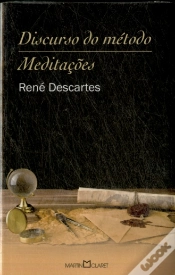
adicionar à lista de desejos
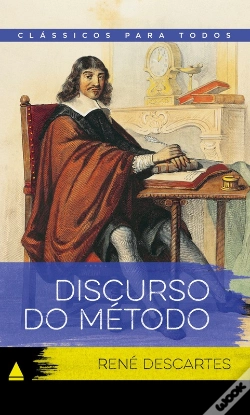
Discurso Do Método eBook
language: brazilian portuguese
Publisher:
Nova Fronteira, January of 2011 ‧
see product details
1,49€
10% OFF
CARD
TTI4M0swTTNhWGxyYm1obWIyRkdlVzQzVVRWRU0wbHRWMHcxYzNaUlVWSm5NbE0xTkU1RmVEUlBOMnRNWTFNMk9VOWhhalF3VWpaM0wycERhV3hYTTFOVU9GUkhUR0pzUmpOeU4yZ3ZaM2tyZDI0d1ozRXlOMWxYTlVSek1VazROblpuVldReU0ydEpTbVJqTTBwek1XRkxaakF6V1Rsa05XMDROMGhxV1VSbk1EbHpSMmQ0VFRJeU5rMWFka1YwZVhSVVdVZzBhWEZUUnpaUVNUazFRV0k1VjJkWWVVMXdOa1YyV0hWS01YaHNWR2hsWjA1bk9HTndObmhNWkhoSlIwUXJZVkZ1Y0Uxb2JHZEJOSE4zYkdWV1MyODNkRTQwV0dreWRFMXFMME5PTVZaRVZETm9VMVo0VTNOeUwzcEtUa0V6WjNWa1ZqWTFVWEJzU1U1SGEyazBkeXQ1UTFKMWRuaHZiRXh3WW1wa2IzQkdWMmRGY3pWeGFYTnNaVzVWV2xWdWRXZDRSbWhQZGt4T05UUjVWRE5oY1RoVWNGQkRlWE15WVdodU1GbE1ORGRUUmxwVlNIcFRRMlJuVWxwaE1GbzNabkoyUW5ScE5tTTJVVU5MZFdWUWRsbFNWMm95UlZGRGJXWmhOMjV6YzBKdFRWRjBXWEZJV1RaM05VaGtZMmhtWW5CMk5FRXJjRFpKZHpnMmNEZGplVGRpVFZwSGRERm5abGR3SzFJdlJrOVlPV2R2ZUdSSGJWQnJOMFZ5VDFKM05HSlBaRkJMWTI4MVVYRlljRU50UmtWbE1XbHFTRWN2Yms5M1lVcEVTSGN2V1ZjNFZuZ3hhRUU0UkVoVE5VWXpiV2hhUlhObVpVcGhSbnA0VjNKQ1ZWVldaV1J0VGtKbkwwRkJOV1F5Tm1GeVFWYzJNV2xaTDNaeFJXaExPSE40UlZKUVVrNHphMjgxVlV4bWFXcHZkbWhyTVc5bFpqQlRXbVYxV2tka1JIZEZkR1pLUm1SUFdrZ3dSRkZhYkZsNE9GQmxVVTVWWmpOR09YWTRiRUpzVENzdlMyWXJha014WXpRME4yUklNbWc1TnpkRU0zZEZVSFpZS3pOWmFsWTBkM1p2TlROSVNYSTVaakYwVkZoM09IbE5OVnBtSzNWSFduRk1abVpQWnpkYWFrcFRMM3BvWlRkT2QyMDBOblF4YUdSNVlsbEZZWEkyTDBOb2JsbFJZMW81UVVWbVlUWklPV05UVEd0cWVtZFdRMjVPV1U4NVQyRlNiRkJXT0ZkWmNWbFhSR1kyZFdreFZHY3lhWE5IY25aRlkyVTBXRWxCUFE9PTpVQ1hnZ0lUVjVBZ3MzUnJ2SUR1VDh3PT0=
IMMEDIATE AVAILABILITY
eBook with wookreader protection
SYNOPSIS
Apontado por muitos como o marco de fundação do pensamento moderno, o "Discurso do método" constitui uma verdadeira declaração dos direitos e poderes da razão sobre um mundo por ela dominado e organizado. Com essa obra, Descartes busca escapar tanto à filosofia tradicional, de base aristotélica, quanto às limitações da teologia e valoriza acima de tudo a lógica, a geometria e a álgebra, pois só elas poderiam nos fornecer a certeza absoluta.
Tradução, prefácio e notas: João Cruz Costa
DETeBook com proteção para wookreaderILS
| Property | Description |
|---|---|
| ISBN: | 9788520928363 |
| Publisher: | Nova Fronteira |
| Release Date: | January of 2011 |
| Language: | Brazilian Portuguese |
| Pages: | 200 |
| Format: | eBook |
| File Format and Compatibility: | |
| Collection: | Coleção Clássicos Para Todos |
| Categories: |
eBooks in Portuguese
>
Fiction
>
Fiction
|
| EAN: | 9788520928363 |
| Acessibilidade: | Ver características de acessibilidade indicadas pelo editor |
ABOUT THE AUTHOR
Descartes
René Descartes nasceu em La Haye (hoje Descartes), no departamento francês de Indre-et-Loire. Com oito anos, ingressou no Colégio Jesuíta Royal Henry-Le-Grand em La Flèche. Tinha bastante liberdade e era apreciado pelos professores, mas declarou no Discurso sobre o método deceção com o ensino escolástico. Depois, seguiu seus estudos, graduando com Bacherelato e Licenciatura em Direito em 1616, pela universidade de Poitiers. No entanto, Descartes nunca exerceu Direito, e em 1618 alistou-se no exército do Príncipe Maurício de Nassau, com a intenção de seguir carreira militar. Mas se declarava menos um ator do que um espectador: antes ouvinte numa escola de guerra do que verdadeiro militar. Conheceu então Isaac Beeckman, e compôs um pequeno tratado sobre música intitulado Compendium Musicae. É nessa época também que escreve Larvatus prodeo (Eu caminho mascarado). Em 1619, viajou até a Alemanha e no dia 10 de novembro teve uma visão em sonho de um novo sistema matemático e científico. Em 1622, ele retornou a França e passou os seguintes anos em Paris a algumas outras partes da Europa. Em 1628, ele compôs as Regulae ad directionem ingenii (Regras para a Direção do Espírito), e partiu para os Países Baixos, onde morou até 1649, mas mudando de endereço frequentemente. Em 1629 começou a trabalhar em Tratado do Mundo, uma obra de física, que deveria defender a tese do heliocentrismo, mas em 1633, quando Galileu foi condenado, Descartes abandonou seus planos de publicá-lo. Em 1635, a filha ilegítima de Descartes, Francine, nasceu. Ela foi batizada no dia 7 de agosto de 1635. Sua morte em 1640 foi um grande baque para Descartes. Em 1637, ele publicou três pequenos resumos de sua obra científica: A Dióptrica, Os Meteoros e A Geometria mas é o prefácio dessas obras que continua sendo lido até hoje: o Discurso sobre o método. Em 1641, aparece sua obra mais conhecida: as Meditações Sobre a Filosofia Primeira, com os primeiros seis conjuntos de Objeções e Respostas. Os autores das objeções são: do primeiro conjunto, o téologo holandês Johan de Kater; do segundo, Mersenne; do terceiro, Thomas Hobbes; do quarto, Arnauld; do quinto, Gassendi; e do sexto conjunto, Mersenne. Em 1642, a segunda edição das Meditações incluía uma sétima objeção, feita pelo jesuíta Pierre Bourdin, seguida de uma Carta a Dinet. Em 1643, a filosofia Cartesiana foi condenada pela Universidade de [|Utrecht]], e Descartes começou sua longa correspondência com Isabel da Boémia. Descartes publicou Os Princípios de Filosofia, uma espécie de manual cartesiano, e faz uma visita rápida a França em 1644, onde encontra o embaixador da França junto à corte sueca, Chanut, que o põe em contato com a rainha Cristina da Suécia. Nesta ocasião, teria declarado que o Universo é totalmente preenchido por um "éter" onipresente. Assim, a rotação do Sol, através do éter, criaria ondas ou redemoinhos, explicando o movimento dos planetas, tal qual uma batedeira. O éter também seria o meio pelo qual a luz se propaga, atravessando-o pelo espaço desde o Sol até nós. Em 1647 ele foi premiado com uma pensão pelo Rei da França e começou a trabalhar na Descrição do Corpo Humano. Ele entrevistou Frans Burman em Egmond-Binnen em 1648, resultando na Conversa com Burman. Em 1649 ele foi à Suécia a convite da Rainha Cristina, e suas Tratado das Paixões, que ele dedicou a Princesa Isabel, foram publicados. René Descartes morreu de pneumonia no dia 11 de fevereiro, 1650 em Estocolmo, Suécia, onde ele estava trabalhando como professor a convite da Rainha. Acostumado a trabalhar na cama até meio-dia, sua saúde por ter sofrido com as demandas da Rainha Christina - começavam seus estudos às 5 da manhã. Como um católico num país protestante, ele foi enterrado num cemitério de crianças não batizadas, em Adolf Fredrikskyrkan em Estocolmo. Depois, seus restos foram levados para a França e enterrados na Igreja de São Genevieve-du-Mont em Paris. Um memorial construído no século XVIII permanece na igreja sueca. Durante a Revolução Francesa seus restos foram desenterrados para irem para o Panthéon, ao lado de outros grandes pensadores franceses. A vila no vale Loire onde ele nasceu foi renomeada La Haye - Descartes. Em 1667, depois de sua morte, a Igreja Católica Romana colocou suas obras no Índice de Livros Proibidos.
(see more)BOOKS FROM THE SAME COLLECTION
-
eBook10%O Livre ArbítrioNova Fronteira1,49€ 10% CARD
-
eBook10%Noite Na Taverna E MacárioNova Fronteira0,99€ 10% CARD
BY THE AUTHOR
-
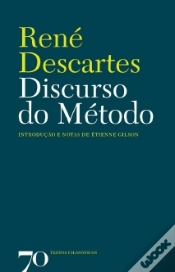
10%Discurso do MétodoEdições 7015,51€ 10% CARD
-
10%Méditations MétaphysiquesHATIER7,24€ 10% CARD