



adicionar à lista de desejos
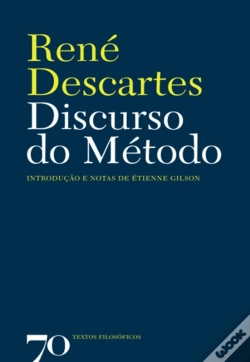
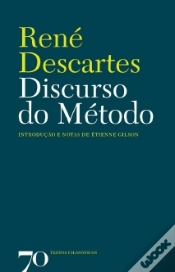
Discurso Do Método eBook
Book
eBook
Publisher:
Edições 70, May of 2019 ‧
see product details
12,99€
10% OFF
CARD
UWt4eWRVSllaRGh3Y3psaFMweFdTM0JtVjFJMlRWVlRVbFkxWkdkRk5uVlJWekJqTkdWbk1rZE1OVGxQYVVKV1drRjBjRXRKYldOQlR6Qk9ZMnRFYUZkRWR6RjZUalIzVXpNeGNrdFZaems1YkVvcllscGllV0l6U2pWU2FXcGFhVU5CWVhoMlFqaDRObEE1Y3pOM09FWkVOVkF4YUdZMVQxRXdSekZXZUV0NVEzaFZhaXRuVVZWblNUUlhWMEkwWVZCS1JHNU9Zak0yUldrck1HcEpOR28yU1dRMGFqaGxiMkl5UW5OaWNrd3ZlbXA0ZVdwdmJXMHhVV05MUlU1UFZGUmhZVXM0TlVaTFlYbEVOakl2T1RKck5ESm9PSE4yVEhWclNrWkxTVWdyY1RKSVN6WkJiVFU1ZW1WYU1rZFBhVFU1T0Zoa1UybDNORlp5YXpadlZuWk9WbFpGUlc1MmFqWXpaVVZ6YlVkNGFWQmxaVzh6Wm5sc0x6SkxVMlpqVWxGaVl6QXlRMk01UzNwQ1oyUnRXVkpxVkZOcmJFSk1UWGt5TlU0cmNsZDVVMEpIZGxwVmVXZERVM0ExYld0MmMwMWpXVTVZY0hFNWFYUXlXRFZLTUhSME1pczJWa2hUWkc5eGVua3ZUbGh4VUUwNGRYWnBWVVUzTDJSelRUbEJMMjVCWWxkVFRFbFZWMHBXWVc1amVrUlJlSGh3VGt4SE0yWnFkVXd3TjJscVlqUXJUMk16TURoUVMwVjRRM1ppZFRCbE5DdDVUV0ZWTTJGWE1IaFZhVWhZU2xGblVIZHVkR2hDUVhkMGNtdE1WRWg1VUVKbVNWWkxlRGM0YVZoWlJTODRPSHBKV1RaeGFVdFZibGhtV1ZjM05uVmlkemxOYkZKR2MwZFVPRzV0U21wWmMyRlJSbmxEVGl0R1FXNHlUVTQzUVhCWFRFdFhaalZMU2xOMmVVaFFURUZVZGxOU1kxVlJabGRTTVV4MFVrdzRXRFJzVDB3MFduSkRlR3RDVTNSa2FFbDBObXBNVjFWdlkzWkVUbXR1UkdSNmVuSnNOR0YxUkVVeFUwVXlkalZOVEdwa1VteGhTMjFzT0doR2JsVm5UVFF4WjNSVWVHTXZjVFJFVTFKMFJXOVFibkV2T1dVeVVUTllUa3BDYkhsTlVIbDJaMVEyZUZOWFRYRTBaVFJNTkhVemNETjBLMVF4TVRoUFYxWklRV295TkRaWlpESm5jVEJvY0drcmNuUkNTRXh5YkZwM1ZpOVBOa2RMYmxSMFdVTTJPVGhUYW5GdE5ucGlaRzVrVDBRclNFSlNiSGhaUFE9PTpDNlczRGhnYUNGTnBmMmtqemxIUkhBPT0=
IMMEDIATE AVAILABILITY
Ebook for WOOK READER
SYNOPSIS
Obra exemplar pelo espirito que a anima, pela tens?o interna e pela perfeita travac?o dos seus temas. o "Discurso do Metodo" mostra a modernidade "in statu nascendi", isto e, no acto da sua emergencia e constituic?o, com uma forca inigualavel.
DETAILS
| Property | Description |
|---|---|
| ISBN: | 9789724417882 |
| Publisher: | Edições 70 |
| Release Date: | May of 2019 |
| Language: | Portuguese |
| Format: | eBook |
| File Format and Compatibility: | |
| Categories: |
eBooks in Portuguese
>
Social Sciences and Humanities
>
Philosophy
|
| EAN: | 9789724417882 |
| Acessibilidade: | Ver características de acessibilidade indicadas pelo editor |
REVIEWS
Discurso do método
Rute Rodrigues
A minha filha diz que é muito bom. Anda a lê lo conforme a professora de filosofia avança.
filosofia
dora
este livro foi pedido pelo meu filho , que está a ler e diz que é exatamente o que estava á espera , utilizado para apoio de estudo à filosofia
ABOUT THE AUTHOR
Descartes
René Descartes nasceu em La Haye (hoje Descartes), no departamento francês de Indre-et-Loire. Com oito anos, ingressou no Colégio Jesuíta Royal Henry-Le-Grand em La Flèche. Tinha bastante liberdade e era apreciado pelos professores, mas declarou no Discurso sobre o método deceção com o ensino escolástico. Depois, seguiu seus estudos, graduando com Bacherelato e Licenciatura em Direito em 1616, pela universidade de Poitiers. No entanto, Descartes nunca exerceu Direito, e em 1618 alistou-se no exército do Príncipe Maurício de Nassau, com a intenção de seguir carreira militar. Mas se declarava menos um ator do que um espectador: antes ouvinte numa escola de guerra do que verdadeiro militar. Conheceu então Isaac Beeckman, e compôs um pequeno tratado sobre música intitulado Compendium Musicae. É nessa época também que escreve Larvatus prodeo (Eu caminho mascarado). Em 1619, viajou até a Alemanha e no dia 10 de novembro teve uma visão em sonho de um novo sistema matemático e científico. Em 1622, ele retornou a França e passou os seguintes anos em Paris a algumas outras partes da Europa. Em 1628, ele compôs as Regulae ad directionem ingenii (Regras para a Direção do Espírito), e partiu para os Países Baixos, onde morou até 1649, mas mudando de endereço frequentemente. Em 1629 começou a trabalhar em Tratado do Mundo, uma obra de física, que deveria defender a tese do heliocentrismo, mas em 1633, quando Galileu foi condenado, Descartes abandonou seus planos de publicá-lo. Em 1635, a filha ilegítima de Descartes, Francine, nasceu. Ela foi batizada no dia 7 de agosto de 1635. Sua morte em 1640 foi um grande baque para Descartes. Em 1637, ele publicou três pequenos resumos de sua obra científica: A Dióptrica, Os Meteoros e A Geometria mas é o prefácio dessas obras que continua sendo lido até hoje: o Discurso sobre o método. Em 1641, aparece sua obra mais conhecida: as Meditações Sobre a Filosofia Primeira, com os primeiros seis conjuntos de Objeções e Respostas. Os autores das objeções são: do primeiro conjunto, o téologo holandês Johan de Kater; do segundo, Mersenne; do terceiro, Thomas Hobbes; do quarto, Arnauld; do quinto, Gassendi; e do sexto conjunto, Mersenne. Em 1642, a segunda edição das Meditações incluía uma sétima objeção, feita pelo jesuíta Pierre Bourdin, seguida de uma Carta a Dinet. Em 1643, a filosofia Cartesiana foi condenada pela Universidade de [|Utrecht]], e Descartes começou sua longa correspondência com Isabel da Boémia. Descartes publicou Os Princípios de Filosofia, uma espécie de manual cartesiano, e faz uma visita rápida a França em 1644, onde encontra o embaixador da França junto à corte sueca, Chanut, que o põe em contato com a rainha Cristina da Suécia. Nesta ocasião, teria declarado que o Universo é totalmente preenchido por um "éter" onipresente. Assim, a rotação do Sol, através do éter, criaria ondas ou redemoinhos, explicando o movimento dos planetas, tal qual uma batedeira. O éter também seria o meio pelo qual a luz se propaga, atravessando-o pelo espaço desde o Sol até nós. Em 1647 ele foi premiado com uma pensão pelo Rei da França e começou a trabalhar na Descrição do Corpo Humano. Ele entrevistou Frans Burman em Egmond-Binnen em 1648, resultando na Conversa com Burman. Em 1649 ele foi à Suécia a convite da Rainha Cristina, e suas Tratado das Paixões, que ele dedicou a Princesa Isabel, foram publicados. René Descartes morreu de pneumonia no dia 11 de fevereiro, 1650 em Estocolmo, Suécia, onde ele estava trabalhando como professor a convite da Rainha. Acostumado a trabalhar na cama até meio-dia, sua saúde por ter sofrido com as demandas da Rainha Christina - começavam seus estudos às 5 da manhã. Como um católico num país protestante, ele foi enterrado num cemitério de crianças não batizadas, em Adolf Fredrikskyrkan em Estocolmo. Depois, seus restos foram levados para a França e enterrados na Igreja de São Genevieve-du-Mont em Paris. Um memorial construído no século XVIII permanece na igreja sueca. Durante a Revolução Francesa seus restos foram desenterrados para irem para o Panthéon, ao lado de outros grandes pensadores franceses. A vila no vale Loire onde ele nasceu foi renomeada La Haye - Descartes. Em 1667, depois de sua morte, a Igreja Católica Romana colocou suas obras no Índice de Livros Proibidos.
(see more)BY THE AUTHOR
-
10%Discurso do MétodoEdições 7015,51€ 10% CARD
-
10%Méditations MétaphysiquesHATIER7,24€ 10% CARD
PEOPLE WHO BOUGHT ALSO BOUGHT
-
eBook10%Carta Sobre A TolerânciaEdições 7013,99€ 10% CARTÃO
-
eBook10%Diálogo Sobre A FelicidadeEdições 7013,99€ 10% CARTÃO