


adicionar à lista de desejos

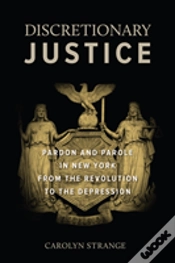
Discretionary Justice eBook
Pardon And Parole In New York From The Revolution To The Depression
Publisher:
New York University, December of 2016 ‧
see product details
43,73€
10% OFF
CARD
YTFreWMyVjJVVFV4U0VGdlRTdEtXRlpyVmpaTGFqWnhNRTE0ZGpJMWRYZFNRMGhMTkRkRVFtSklkM1IxWlRKeFlUaHJja3hEWjJkcldDOXZkM1Z3TldJNWFXUnBUMVZsVUZKck1IQk5NVWQzYnpORE5YQnNRMVYySzJ0TFJURm1OSGhKY2pWUE5YZE1RV2hVY0VwQk5rUjJRVlpPYlZsSFdFRTRkMGRaUmsxR1YwaGFMMWsyUlVoYVJXNXFXV053YVZsVVRHc3hkVTFHWkVkM1QzSm1XREF5VjFCRmNYWm5WM0pHYmtFdmRVeDNRVlZyVURnMGFWTmplbHA0VVdkMGF5dEhUMEUyVDNselNrNHJabHBvVVZGRGQyeG5lRGd5UVZaUlVFczRLMk1yTUhKRE5qbHFRVWx6VURGU1QyZHZLeTlQVkc4d1lsQkVUVVpEZFdGaWJ5czFNbGcxYUdKR1kyWkVaMFpJVkRKQ2FrWmpSMDVDVjNOdVRUWkhiWFZrY205RmJUTlNNVlZGZEc1RlVqQkhWelJYZEdNcmREWkROWEJ6Wm5CRGIweFZiU3RrU3paR2FFdHFSM0JJYUc1M2RGTldkM1EzYldOMFdFdGpMeTlDYjI0MVJWcDVaVzFWWVRkbmVFWkZPVVJpVmxKTWQxRTNVMWxWWmpCNlRITnJTWEZhUkRCaFdHWkZWVWRtV25semRsbEJMMUZZUm5sUlVEVjJjVEJUWjNOelowZHNibXd3YzJ4dGRrSkdiVTFCV1ZwVmJrSkdNVlJoVjI1ak1XRkdlRFY0YjNCVGJuWnBhVUl3TnpWRk0yVnFNa0l4YlVSR2RrVkdXa2t3TXl0b1IyazFTV0pQVDJGTFVFbE9TMWxGVjI1NWF6VkxhbVJxYkZka2VWaFJSRUZIU3pFeE5tOHhTRk5aVW5OcFYyNHhPV3BJTjB4aFZVeGFVRXRJTmtwaWMxUlVRVVZJZW01dmFIUjBTbkZVU1RONk5rMDBNa3RvTkZkRGVFcDBhMVpGUzFkdVZHbzVObGgwYlZOVE0wazFVbU0zVXpKS2JIVjVXV1JGVkVWRlVFeHpOVUl6ZEVWSGJtOTZNbUpPZFV0dGJUSTRSazl4U0c5NVpsVnhUREZPUTJ0UldsQjFNRU41WlU5SVIwZE1UMFZ4TVZGV1NFOTVORW81ZVVaak9YVTJTMWR5Y2s5TFlTdHBNRzVzTkRaaFlqTlNWa3A1TlZGdmNtZEtRa0ZUYm01aWJXVTNhVUpvUW5NelZWQnBjWGxUZEhCV2NYWnBkbVZTUW1wc0wwUk5PSGRTWVVSSmFsUnhNVVZyUFE9PTptMXE4UllyZU1zWTlzekZyRnFVKzFBPT0=
IMMEDIATE AVAILABILITY
Ebook for ADE
SYNOPSIS
The pardon is an act of mercy, tied to the divine right of kings. Why did New York retain this mode of discretionary justice after the Revolution? And how did governors’ use of this prerogative change with the advent of the penitentiary and the introduction of parole? This book answers these questions by mining previously unexplored evidence held in official pardon registers, clemency files, prisoner aid association reports and parole records.
This is the first book to analyze the histories of mercy and parole through the same lens, as related but distinct forms of discretionary decision-making. It draws on governors’ public papers and private correspondence to probe their approach to clemency, and it uses qualitative and quantitative methods to profile petitions for mercy, highlighting controversial cases that stirred public debate. Political pressure to render the use of discretion more certain and less personal grew stronger over the nineteenth century, peaking during constitutional conventionsand reaching its height in the Progressive Era. Yet, New York’s legislators left the power to pardon in the governor’s hands, where it remains today.
Unlike previous works that portray parole as the successor to the pardon, this book shows that reliance upon and faith in discretion has proven remarkably resilient, even in the state that led the world toward penal modernity.
DETAILS
| Property | Description |
|---|---|
| ISBN: | 9781479843619 |
| Publisher: | New York University |
| Release Date: | December of 2016 |
| Format: | eBook |
| File Format and Compatibility: | PDF para ADE |
| Categories: |
eBooks in English
>
Law
>
History and Legal Studies
|
| EAN: | 9781479843619 |
-
The Death Penalty And Sex Murder In Canadian History10%UNIVERSITY OF TORONTO PRESS74,35€ 10% CARDfree shipping
-
Fatal ConfessionUNIVERSITY OF BRITISH COLUMBIA PRESS34,06€