






adicionar à lista de desejos
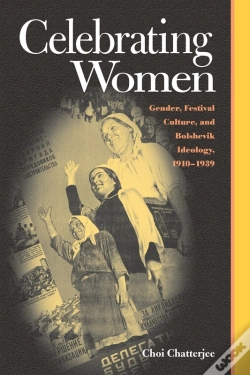
Celebrating Women eBook
Gender Festival Culture & Bolshevik Ideology 1910-1939
Book
eBook
language: english
Publisher:
UNIVERSITY OF PITTSBURGH PRESS, February of 2012 ‧
see product details
54,31€
10% OFF
CARD
ZGtka1JVMW1WR2hFTDIxeVYwVllNVk5xVVRJdlowSnlXbFJYVERaT1oyMWlRMk5LYkRONFVuaFhRMUpLTjJvelJFeDRkM29yVlhZeFdGbHVUQ3R5UzNZeWRUSjNZblYxVlRCS2IzaHdNamgyTkRsNEt6TlBXa2RYVWxVck0xcE1kSFZNVUd4QmMzSldlRkowZDA0MFowY3dVRFp0Y1dwckwySXZORGRDYkRCWlVVVmxTMUpSVldGMmFsVnlkWGQyWXpoSVRVOWhPV1ZTTVcxc2JVaENUVWRLTURZNVowTTNaMmhDT0RSbVFYSk1kV1F4VGxGc1NDOUhha3RtWW1OSFpuTm5PRlYzZW5Gd1NtbzFORWRDVHk5WldIZ3ZNVkZqZGpWcVFtdHBaR1UyYWtKdWQxTXlUMjUwZW1odVREZEZiRzVLVjA5cVRqUjRNMlprYkhWdFlsSkVTR3N4YmpWMlFVTlVkbFI1WVRoemFqaEpORlJOY3k4dlNXMXZkbXBFTURkTFdWTmtSa05yVlZSSVVsVmtRMDlPZUVSNGVFcEVRa0lyU0d0UlN6SlVaMDkyTWtOVFFXUnBSU3RHVjNnM01YZDNRM1l4ZFhsRGJIaGhPVFF2V0RGaVdXUlBkMnBVTXpSdVUyNXhWazVYUjFWSlpHOUlVM0oxYVdwdlVVUklkVmxZZVVGeVpITjJXbEZPWnpaWldIVnROR1UxYWxvMFdtZFVMM1pwZFZjeU5rSlZTVlIyTlRoUUwzRkVUbmQ2U3l0RlUyTllOQ3R6YW05aE1UaGtiekY2ZDJ0NFZtaDBTMnQyUlVwaWRVSlpPVzh2TVZGdE9FSnNhMkZJTkhGaU4zRkhWR04zUmpGQ2NtRnRUVmRqUkUwNWVFZFRTVGRyZDJWc1JqaG9TRUUwTDBOdU9HWk9UM0F3UVUxT1puaHVNMDlDUjFKS2NtbEdNWFI2TVhZNWRrZGxSWGQyWmpaeFEwcDZaekpuTW1oc2EyY3hUbXN2TWpSU01tWTFVREJZWjFCeU1Dc3lablVyVTJWa2RYTmxSall5WldWa1NGaDJXQzl6TjBab1dFbFVRbm81ZUcxRldWSlZMMmxWU0ZCRFZWZG5lbVZIV0ZvM05pdEpSelE1Tlc5UFltTkNabEYxWmpnNVRUZGhXbGxuYkdKcWFXSm5NVEpKVGpoeVVqQkVURVZtYVVneVRIUlNlVzFWU0haMVNFcHROV1JyTUhGc1JGTk5XVUZQT0dsMWNtbFZSVVZLU0ZGd1JEZGhhM2hOZUhaWlptazRiVGxUZFdGTFV6Tk5kRGREYWpoRGRYRm1jRVZ2UFE9PTpGQXZ3amZ3bFpnTmYwZFBBclZUb3dnPT0=
IMMEDIATE AVAILABILITY
Ebook for ADE
SYNOPSIS
The first International Women's Day was celebrated in Copenhagen in 1910 and adopted by the Bolsheviks in 1913 as a means to popularize their political program among factory women in Russia. By 1918, Women's Day had joined May Day and the anniversary of the October Revolution as the most important national holidays on the calendar.
Choi Chatterjee analyzes both Bolshevik attitudes towards women and invented state rituals surrounding Women's Day in Russia and the early Soviet Union to demonstrate the ways in which these celebrations were a strategic form of cultural practice that marked the distinctiveness of Soviet civilization, legitimized the Soviet mission for women, and articulated the Soviet construction of gender. Unlike previous scholars who have criticized the Bolsheviks\u2019 for repudiating their initial commitment to Marxist feminism, Chatterjee has discovered considerable continuity in the way that they imagined the ideal woman and her role in a communist society.
Through the years, Women's Day celebrations temporarily empowered women as they sang revolutionary songs, acted as strong protagonists in plays, and marched in processions carrying slogans about gender equality. In speeches, state policies, reports, historical sketches, plays, cartoons, and short stories, the passive Russian woman was transformed into an iconic Soviet Woman, one who could survive, improvise, and prevail over the most challenging of circumstances.
Choi Chatterjee analyzes both Bolshevik attitudes towards women and invented state rituals surrounding Women's Day in Russia and the early Soviet Union to demonstrate the ways in which these celebrations were a strategic form of cultural practice that marked the distinctiveness of Soviet civilization, legitimized the Soviet mission for women, and articulated the Soviet construction of gender. Unlike previous scholars who have criticized the Bolsheviks\u2019 for repudiating their initial commitment to Marxist feminism, Chatterjee has discovered considerable continuity in the way that they imagined the ideal woman and her role in a communist society.
Through the years, Women's Day celebrations temporarily empowered women as they sang revolutionary songs, acted as strong protagonists in plays, and marched in processions carrying slogans about gender equality. In speeches, state policies, reports, historical sketches, plays, cartoons, and short stories, the passive Russian woman was transformed into an iconic Soviet Woman, one who could survive, improvise, and prevail over the most challenging of circumstances.
DETAILS
| Property | Description |
|---|---|
| ISBN: | 9780822970651 |
| Publisher: | UNIVERSITY OF PITTSBURGH PRESS |
| Release Date: | February of 2012 |
| Language: | English |
| Format: | eBook |
| File Format and Compatibility: | PDF para ADE |
| Collection: | Russian And East European Studies |
| Categories: |
eBooks in English
>
History
>
General History
eBooks in English > History > History of Europe eBooks in English > Tourist Guides and Maps > Europe |
| EAN: | 9780822970651 |
BOOKS FROM THE SAME COLLECTION
-
Pre-ordereBook10%The Holocaust In CroatiaUNIVERSITY OF PITTSBURGH PRESS51,86€
57,62€ -
imagem não disponívelResources And Everyday Conflicts In Rural UkraineResources And Everyday Conflicts In Rural UkraineUNIVERSITY OF PITTSBURGH PRESS35,23€
-
10%Russia'S Long Twentieth CenturyTAYLOR & FRANCIS LTD51,09€
56,77€free shipping -
10%Russia'S Long Twentieth CenturyTAYLOR & FRANCIS LTD188,59€
209,54€free shipping