

adicionar à lista de desejos
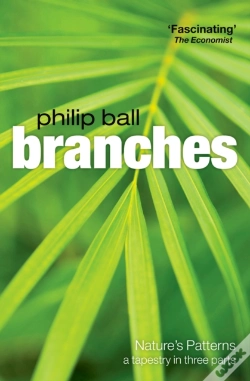
Branches eBook
Nature''S Patterns: A Tapestry In Three Parts
language: english
Publisher:
OUP Oxford, September of 2009 ‧
see product details
17,21€
10% OFF
CARD
TjI1a1JVazVOMVF5VTFScVZGaExja0ZJYmtsTlpHTlpkVzQ1V1dKdFZHUTFhRkpQTkRWeVpGVlZPVXd6ZW1selFrTnpaMnhsVnpSNFFXeHhkbWx6WjNScmRYWlliamR1Wm5jdmVHMVhOM2MyYmsxWFJGQjVjemt5Tm5wVmJVVnFRM0JpWnl0eVZtMDVORmxSTXpoRU5GVlVieXR0WW05RGNqZGFiMVp5ZUZCRGNsUklMemR3UmtoTVFVTkhRVlpMYVU1b2NHeGplRTU2WkZweFNFSnFiWGd5UzBoRWVUVkRMelYyTVhKMlZGZDZhWGxNY3pObE1qWmtaRUZtVkd4MGJqaFZaVzVhVkdsUVowNUtZbk5TYmtjelMyZExXbFpCYTFGbVNHNWhXVWh4VVhVMFN6VlZRMUJ5TlVWdVdFa3dWMGxUYUhGd00xTnFZVEJIYlRWemRGbFlWSEZFUW5GMVdrVm1aR2QyTmtNdk9GcEJlbEpVY1VGTldubHNWRXdyY1RWcGRWUjNOU3RoVDJwUlNHZHRlakU0UTNBMFVWbDBUbTlPUm14dlRuZzFMMEZUWW1WQk5ISjFXbGhGVmtkclZpOHlSWFJOTm1acVJqaGhOamRPU0VncmQxWnRRamcxTUdFclVXWnpXVGcxTkU1QmRVWkxTVFV4VldSNVVXTnlSSGxEVGk4elNpdDBPR2gxYWxOQmVXVnhUV2xCZDNWaVRsQkRXa0Z4Y1M5alVqQkhUR1ZCWkRGdlpYQllPVmsxZVRJeU1HZFFOMmxqZVRSQmMwZHdOR2RXY0hKRFVHTXZlazlDTm1oWlZqazRNRGh4UzNsR1psSjJhVkY0U0Vsdk9HMWlWM05rY25wVVNtZGlOR1ZTV21WdVVrOTNZMVZvWW1wUU1TOXBlbGhRZVROYVduSnhLM1Y2YmtWRFFXZzNRM0pFUWxKVGRDdFdOMnhqUzFoTGNHeG5Ra2xpVXpoYVpXNXdXRFIzUTFodk5GZG5WMmRETDJGc1NrSlZWa1pDTDNsdk5TOTNaVFpNYTFweVZUQkhaMmR6UkVkUFoxUmxSRlZrV1dKSFVUZ3haVlJwWjFNMU9EWXhhVVowYkd4aVpXczFjSFZGTVVwNGJsaHhTRUpqU0hGTk5qQXhTazl4ZFV0bVNXd3lNMjR3Y1ZGeGNWSnljamROY0hob1lsaElRWE13Wm5veU5HNVlNR1pvTVZoMVlsZzRiM2hEYkZFM1lVOVRNRzlwU1U5V2FYbzNXSHBOWTFGSVJYRkxiMEpVZGtKRk56RlliM2RrZWk5Q2RtaEJhMG9ySzJwelNUWnNNVTh3UFE9PTpEcDdEV3hWZVRxdHdtR0ZmQVNVaGd3PT0=
IMMEDIATE AVAILABILITY
Ebook for ADE
SYNOPSIS
Philip Ball explores the science of the branching patterns we see in nature, revealing that there is much more to these networks than meets the eye. Whether trees, snowflakes, forked lightning, or systems of arteries and veins, he explains how there are hidden rules at work that can give us extraordinary insights into the nature of life itself.
DETAILS
| Property | Description |
|---|---|
| ISBN: | 9780191579837 |
| Publisher: | OUP Oxford |
| Release Date: | September of 2009 |
| Language: | English |
| Format: | eBook |
| File Format and Compatibility: | |
| Categories: |
eBooks in English
>
Art
>
Arts in General
|
| EAN: | 9780191579837 |
| Acessibilidade: | Ver características de acessibilidade indicadas pelo editor |
ABOUT THE AUTHOR
BY THE AUTHOR
-
Bright Earth10%Vintage Publishing22,97€ 10% CARDfree shipping
-
Três Grandes Perguntas10%Planeta Tangerina21,60€
24,00€free shipping