

adicionar à lista de desejos
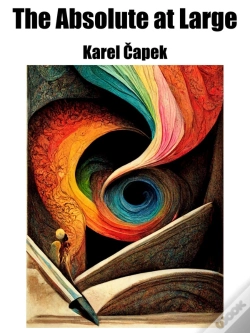
Absolute At Large eBook
language: english
Publisher:
Wildside Press LLC, January of 2023 ‧
see product details
1,31€
10% OFF
CARD
YjJFeWJVWnlhRTVvUTI5cE9URXlWa2RtWlZWVmRXUnpla0Z4ZFZkRFJ6Uk5lRTkwYUVwbGFHWjNaR0p5TURsa2JIUTRTREZDYVc1YVQycEtia2hTUTFrMFptdEZOVko2T1VSMWJHbzRVMlpOWlVocFIzSjVkV051ZGxWaFVuWXZRVlJqUVV0VGVITXlhWE13ZVRSNWNsUkxlQzlQU1dWeFVYRndXbFkwT1ZvMlEybHRaMUY0WW5GVWREWm5PV3cxUVdKbldYSlFSMU5wZEhkMFdWQlRRek5HUkVObVJsSktUemhNY2xwaFFVRlhha05LT1dWUlprazJTMUJ4TW5sbmFFbG1TSE5KTDFOamRqWTRWMGQzZDFaRmNtRnpiRFkxUjJkRWJYZHNNMFZsWVRSTGIyeHhlbUZKY1M5UU5VZG1TVTlOVlM5VE4xRnlVMFoyU3pOSlN6RlZOMFpaY3poVGRFc3hkVzlUYjFGdk5HaElWRXBPWmpNNFZtOUhTMjV3UlZsS1JXa3ZRa054YmpFNFVuTkVSR1ZOVW01RWIwNTZVa05wWjAxWlkxQnBhMDEyZEhKcmNFVm5iVGd4WnpsbWJrTnFZME4yZWxBd1lUTk9aR0ZHWWtWTkszVnJNM05OTWtSUlZqZHFNMFIxY21sa2VVdEZVWGhCU0Zsd2FWSnBSbFpFTlZjdldGQTJXbVJvY0hKQlpVaDZaV1pDYkdSbFVXbDFSbUpuVFVsTmJESmpkbU5WYkVsS1MxaG9OVlYzTWtSVWQyVnBkVzU0Y0VKV2FrMTVTRVoxU2sxVE9HeFpNMnBuTTA5YVV5OXBiMVl2UWpoRlVqVm5TRGhKVVUxNVJIb3ZSR05PY0VSa2F6aFBNbmxoVjBoVE0ydFlWbGgxYkRsUk1YaEZWMHhHV1hoSFRYbFRVV2xSYUV4b2FUSmpaV1pQU0ZneGEwRnVWbXByYTB4TWNHdzVMMnBKUlZaaU1IRmtaMFJ0UjNObFJIZHpUREF2VnpadFJHaGpjbkZsUmpCUVEwNW1NbkZQUlVocVF6QkJLMkZEY0dVclUyeEJTSFpYUjFwNk4xSXlaUzluVDBzdk0zYzBVSFJpWW1wRk5UVlhVa2hRYmxkRVRHcEhVVkJ2ZEhWVFdVWkdNbWx5UVdkTFRUVk1RMGR5Tmk5UWRVNDFaa0UxTkc5MVVHOW9OMmR4ZGtWTVFqaG5jRzlKWjNvcmJrUlpRamhzZVZFMloyMU9UVlJIV2xwbWRubFlUSHBRV0d0QmFFVTBXbE0wYURsVGNsb3piekExVmxaQmRsZE5VMEpsZDJjd2JHeERiVkkwUFE9PTozdEpZdTJqaTFCem9IS0E5ZEppWENRPT0=
IMMEDIATE AVAILABILITY
Ebook for ADE
SYNOPSIS
The Absolute at Large (Továrna na absolutno in the original Czech, literally translated as The Factory for the Absolute), is a science fiction novel written by Czech author Karel apek in 1922. The first sentence opens the story on New Year''s Day 1943 -- a future date at the time of writing -- and describes the fundamental transformations in society as the result of a new mystical source of virtually free energy.
DETeBook com proteção para wookreaderILS
| Property | Description |
|---|---|
| ISBN: | 9781667661117 |
| Publisher: | Wildside Press LLC |
| Release Date: | January of 2023 |
| Language: | English |
| Format: | eBook |
| Categories: |
eBooks in English
>
Fiction
>
Science fiction
|
| EAN: | 9781667661117 |
| Acessibilidade: | Ver características de acessibilidade indicadas pelo editor |
ABOUT THE AUTHOR
Karel Capek
Karel Capek (Malé Svatonovice, 9 de janeiro de 1890 - Praga, 25 de dezembro de 1938). Novelista, dramaturgo e encenador checo. Conhecido pela sua peça realizada em 1921, R. U. R. (Rossum's Universal Robots), a mais famosa, onde inventou a palavra ROBOT. Escreveu ainda a sátira "Power and Glory" e o drama "The World We Live In". Formou-se na Universidade de Praga. Foi também editor do jornal de Praga e ensaísta político.
Karel Capek é considerado o maior autor checo da primeira metade do século XX. Foi o maior novelista da Checoslováquia e representante do seu espírito democrático. As suas peças de teatro estrearam na Broadway pouco tempo depois da sua estreia em Praga e os seus livros foram traduzidos em várias línguas. Os seus textos são marcados por uma escrita clara e apelativa, que o torna excecional.
Morreu no dezembro anterior ao início da Segunda Guerra Mundial. A sua morte resulta de um período de uma pneumonia originada por uma greve de fome e recusa de viver no seu país, depois dos aliados terem rejeitado ajuda à Checoslováquia para a proteger de Hitler. A Gestapo classificou-o como inimigo público n.º 2. Depois da guerra o trabalho de Capek foi relutantemente aceite pelo regime comunista checo, já que enquanto em vida Capek sempre se recusou a acreditar na utopia comunista, como alternativa à ameaça nazi.
BY THE AUTHOR
-
10%A Fábrica do AbsolutoAntígona16,00€ 10% CARDfree shipping
-
20%A Guerra das SalamandrasAntígona14,40€
18,00€free shipping