

adicionar à lista de desejos
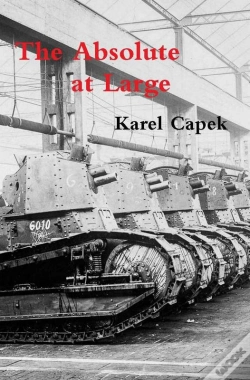
Absolute At Large eBook
language: english
Publisher:
Distributed By Ingram Spark, November of 2018 ‧
see product details
1,31€
10% OFF
CARD
TkVaa1YxSjJkVFZtVjJGbGFtOWxjMlpCVVdKdEwydGFjMHhFVUROVlJrOTBVVUp6YzI5ck5HRXZabEpRVURONU9DdDVhMjlGU21WWFVrWlhZbGxoU2xkaWVERmxVMFJyY1dKUFExaGFjME4yWldOeVdtaDRjbFJyTmxCaFdrUjJNRFJaU1ZCaVpWWTRZVGxrYnpSTU5tMUpVbkJJZVdjeFp6QkpNV1ZYUlRkcFlrWkpZekV2YW1vNFQyRndNbFpWZEVKUGVXZ3lZbWRvTUdVMmNtbEZTV1J4YlVoeFEzVlJabEpyTXpaVGNXTXlWSEp1Um5vclYweHJlRkpTY0d4V1FrUTFNRTk1Y1ZCNFpXbFBVV2RIWkRoSVJYTndRalJDVEdGdGFYUkZhRXBwWjNScGExazNNMlpLVVhWNllsZFdWMUpZUmxCTFdETklPR3RZY2tnNWJtOXhjWEpCWlhCSmRFWkJiV1k0VTNSSWJGZHVURGxQVEZWcFYyODJWbEV2WmpWcFl6RlJUbkZSVUhWNVdrZHBlRFJEYTFWYVZUQXlaRkkxVFc5S1p6QnlaVEp6Y3pGeVFWcG9Zak5xVTJaamVYY3hSekk1UmpWUmNFbzJjamxuVVZCR05GcDFWbkl4TkROMmRESjZZMUZ5VTJaNlkwWjFhMkpoY0dKb2VtZ3Jka2wwTURkNVN5OW5MM2t3WjJGWWFqYzRTMGhKVDJOaVVFRkliV0ZPYm5rNWFEVnBNQzlJSzNKNVNqaENTRWhqVERKd1VVMTRNbWxtYUhBNVRuQk9TelZKTURaeVJ6Sk1aakV4YlZKSFdsQlBaak5CUld4aE1qbFpUVlZTYW5KQ1NIVnBZa1JTWkcwd1RtVkhSakZPY0ZVcmNYSmhhMjFQVlc1RlYwRnJZbkZpY0d4MlRXUkNUbWhFUld4V2RqSmliV0ZoU2xGYVJ6WnNTMkpuY1VFeVEzaGtXbGxUUXpSMlZWQm1Ua2x6TmpoelJISllSRGxZUkV4eFpIVjNjbVJHUW1Nd05uUktVazhyUzAxRWIzVm9kalJIYXpkTlRtWkRSRlozVUhWdFpqQk5aazlSVkZFMk9YRjNZa2RVTjFWMFVFeEdiMncxWkVkWldHOTRLMkZRV1daNldUVnhRVk51VVVRNWRYaDJTV1ZCT1M5elFqTnlhRFZrV0VkemFYWjVTMnRtVEdkc01XdG9kMmxyTUZNdlQwNUxTbkJPZFRWeVZFdERNRTV4ZW5KbFlXOTVjR1k1SzFoWFJXZzBWekZDVEdKTWNqSkRjM2hQTkdOalNGcDVTV28zZWs5TUx6aHZWRWRCUFE9PTp4QUYvaUViK0JXeWN2Vm51YVZjZ09BPT0=
IMMEDIATE AVAILABILITY
Ebook for ADE
SYNOPSIS
This story centers on the invention of a reactor that can annihilate matter to produce cheap and abundant energy. Unfortunately, it produces something else as a by-product, the absolute. The absolute is a spiritual essence that according to some religious philosophies allegedly permeates all matter. It is associated with human religious experience, as unsuspecting humanity is to find out all too soon in the story. The widespread adoption of the reactors causes an enormous outpouring of pure absolute into the world. This leads to an outburst of religious and nationalist fervor, causing the greatest, most global war in history. R. D. Mullen called the novel "one of the genuine masterpieces of SF," but noted that due to its originality "it has surely had no great influence on popular SF."
DETeBook com proteção para wookreaderILS
| Property | Description |
|---|---|
| ISBN: | 9781773233130 |
| Publisher: | Distributed By Ingram Spark |
| Release Date: | November of 2018 |
| Language: | English |
| Pages: | 224 |
| Format: | eBook |
| Categories: |
eBooks in English
>
Fiction
>
Fiction
|
| EAN: | 9781773233130 |
| Acessibilidade: | Ver características de acessibilidade indicadas pelo editor |
ABOUT THE AUTHOR
Karel Capek
Karel Capek (Malé Svatonovice, 9 de janeiro de 1890 - Praga, 25 de dezembro de 1938). Novelista, dramaturgo e encenador checo. Conhecido pela sua peça realizada em 1921, R. U. R. (Rossum's Universal Robots), a mais famosa, onde inventou a palavra ROBOT. Escreveu ainda a sátira "Power and Glory" e o drama "The World We Live In". Formou-se na Universidade de Praga. Foi também editor do jornal de Praga e ensaísta político.
Karel Capek é considerado o maior autor checo da primeira metade do século XX. Foi o maior novelista da Checoslováquia e representante do seu espírito democrático. As suas peças de teatro estrearam na Broadway pouco tempo depois da sua estreia em Praga e os seus livros foram traduzidos em várias línguas. Os seus textos são marcados por uma escrita clara e apelativa, que o torna excecional.
Morreu no dezembro anterior ao início da Segunda Guerra Mundial. A sua morte resulta de um período de uma pneumonia originada por uma greve de fome e recusa de viver no seu país, depois dos aliados terem rejeitado ajuda à Checoslováquia para a proteger de Hitler. A Gestapo classificou-o como inimigo público n.º 2. Depois da guerra o trabalho de Capek foi relutantemente aceite pelo regime comunista checo, já que enquanto em vida Capek sempre se recusou a acreditar na utopia comunista, como alternativa à ameaça nazi.
BY THE AUTHOR
-
10%A Fábrica do AbsolutoAntígona16,00€ 10% CARDfree shipping
-
20%A Guerra das SalamandrasAntígona14,40€
18,00€free shipping