


adicionar à lista de desejos
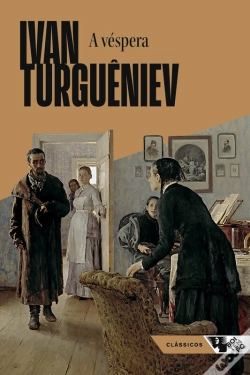
A Véspera eBook
language: brazilian portuguese
Publisher:
Boitempo Editorial, December of 2019 ‧
see product details
7,49€
10% OFF
CARD
ZVRGaGQwNTJjbWRwTURkV1ZXUlFXRTUxWlV4blltWk9NSFZsYXpGcFUzWXdLekJhZDBoWlZrTkNlVU0xWm14UmF6ZGlWek15ZDB0elVUTnFibXhvUlhCRVMwbzROeTl5VUZCb1pHUnFTRFYzVG13clprUkplVTVrV1VWdU5YQXpibEpvVGsxSEwwSkVSR3hyVkZWVlprMHhiMmxtTW1WVFVuazNjV2R6YjNOeFpXZFFOWGRzYmpKVVkwTk1RVGxJWTJsYVoxZDBOalpLTDFBNU5ucFpTbkpsWVhCbGJFMUVkVzVCTTBOUVNHSmplWEJ0TmtGeGVsbEtTemxQTTNCaFNHdzVXbHBVTVZjckwzTk9VbWgzTXpZMFVqUTFUbmsxZVV4amRVeEtlaTlwVjJkamFGcEdPV3NyWkdaeldUbEVkSFEwYm1GQ1ZrNVVibEJ5YjBSS05YSlNaM0I1V2tOaldVRmFUaXMwTWpObGFXY3hiRE5KZDBGTVRrcGFTVGxZYjJFd2VpOVpaVEpvWmpscVF6VnllR0kwTUhVMlpURlZjV1ZGT0ZSTVZrZ3plVnBCU0djMVpFUlJSWFJoYnk4NE5TdG1ORUpxWm5GT056QkROVGRGUTI0eVVYWllNRTByWkZCMmVrNHpSM1Z6WmpkNlYxRmhSRmhFUTJGdlMyTnJVVEUzUzBwRmExUm5lRTlVSzFJMWJGTmpVaXQ2ZFRWSmNsSmFXbmhHV1ZsYU0wSlVkVUphYVd0TVdXOVRRbU0wYWpjM1pIaFVlamh6VjBoNU5IaENTUzk0Y1dkWWRFRldiell3VEc5S056QTRjbWN5V2pZeGEwbHJlRlJzUTFwM2JIbHhTVGRuY1ZRd2NHSXZSRmxLY1hWNVl6WXhRV2RyZEZsSFRYbEhlbmxyVjBoUWNqRjNjbE13UzNKclFVRk5jVmR2TkVnd1JGa3dOVzl1WlhoeloyRm9lRWNyVG5SV1NUa3hlbUkyUjBSNVVrUklZM2N2TUVneVFWUjFhMXBPUlhGM2FtTmtla3hLUmt4blJ5dEhVbWhSVlRFd1dVazJiMk5DTWtwQk1VeEJhWFZoZDBZMWRpczBaM2t6VkN0RldGcG5hVXhCU0ZWTWJXSnBXbFp2V1hkTGFsbHJXSHBCV2tOWGVVNU1lVkpXWTFkbEt6QkdlVXBSVTFFeFZHVm9hRTVCUmk4MVFucGFOMnBuVVdvelNYZEZhRlZRTmxGNFdtSnFiV054ZW5GcloybHdaMUl5VjNGdlEwcE1WM1pKTXpSaE1sQk1TbVp2VmxBellrOXhjWGREUWxkeFJuZDBSV2xqUFE9PTpUTDJtWEdBbFFLWUVDMUo4eVpPd05nPT0=
IMMEDIATE AVAILABILITY
Ebook for WOOK READER
SYNOPSIS
Elena Stákhova é filha de uma mãe hipocondríaca e um pai ocioso e supérfluo, uma típica família aristocrata da Rússia do século XIX. No auge da juventude, divide sua atenção cotidiana entre dois jovens: o escultor de espírito livre Pavel Chúbin e o reservado estudante Andrei Bersiéniev. Às vésperas da Guerra da Crimeia, Elena é apresentada ao revolucionário búlgaro Dmítri Insárov e por ele se apaixona. A união em segredo de Elena com um estrangeiro e o plano do casal de juntar-se ao movimento pela independência da Bulgária decepciona sua mãe e enfurece seu pai, que esperava casá-la com um funcionário público monótono e satisfeito. Elena se diferencia de outras protagonistas femininas marcantes da época, como Emma Bovary ou Anna Kariênina, pela firmeza com que questiona sua posição e pela consciência dos direitos que deseja garantir numa sociedade russa em transformação. A véspera é o terceiro romance de um dos autores clássicos da literatura russa, Ivan Turguêniev. Em 2019, 160 anos depois de a obra ter sido escrita, a Boitempo lança uma tradução diretamente do russo deste romance inovador que está fora de catálogo há anos, com notas e posfácio das tradutoras Paula Vaz de Almeida e Ekaterina Vólkova Américo.
DETAILS
| Property | Description |
|---|---|
| ISBN: | 9788575596951 |
| Publisher: | Boitempo Editorial |
| Release Date: | December of 2019 |
| Language: | Brazilian Portuguese |
| Pages: | 200 |
| Format: | eBook |
| File Format and Compatibility: | |
| Categories: |
eBooks in Portuguese
>
Fiction
>
Fiction
|
| EAN: | 9788575596951 |
| Acessibilidade: | Ver características de acessibilidade indicadas pelo editor |
ABOUT THE AUTHOR
Ivan Turguéniev
Ivan Turgenev was born in Orel, in the Russian Empire, on November 9, 1818. His masterpiece, Fathers and Sons, is considered one of the great marks of the nineteenth century. At the age of 25, with the publication of Parasha , he obtained, for the first time, the attention of critics. With the novels Rudin, Gnedo, Dvorianskoe and Nakanune, leaves his literary mark with the merit of being the first Russian writer with considerable recognition in Western Europe. It is also known as the inventor of the term nihilist, which he applied to the protagonist of the novel Ottsy I Deti and that ended up reaching our days with the meaning of meaninglessness, purpose or response, applied to areas as diverse as art, the human sciences, the literature, ethics or morals. In 1862, following the publication of Ottsy I Deti and the controversy surrounding it, he leaves Russia and, after stints in the Germany and England, he settled in Bougival, on the outskirts of Paris, where he would end up for dying on September 3, 1883.
(see more)BY THE AUTHOR
-
Pais e Filhos10%Editorial Presença15,90€ 10% CARD
-
O Primeiro Amor10%Alma dos Livros12,15€
13,50€