

adicionar à lista de desejos
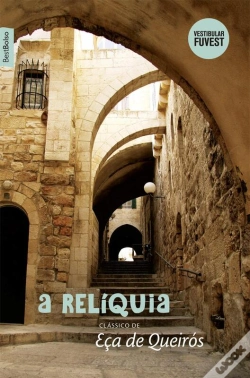
A Relíquia eBook
language: brazilian portuguese
Publisher:
Edições Best Bolso, July of 2016 ‧
see product details
3,99€
10% OFF
CARD
U1dKTlJsQXpURGxUZURsaldXOVhObWN6VWs1dVowSmljV3BNZHpOMlpXWTBOV2xDVTJ4aVdqRk5OMk5zUjNWUmRqZDVhbUZZYkVod1NqbHNMMjk2VDJGM05rWjVha1V6Y0hoTmVFcGthRko1VGtWM2NscHhaMHRMYkZNMmRYRXpSbFpWYWxWUFJYaDJkR0ZSTVZOdVpXdGlhV1JNYmtwS1NrOXlaMUVyTmxwelZXY3hVVkJ2VERGWlkxY3pTVGMxSzJkNk9FcDVRV3h2WWxoc1VUbDFkM2hKU1d0NWFGUlBNbGh6T1RCeFdqUnZRWE5UVGpkdVZYRkxNaTg0V2xKS1ZHZFpkWG95Vm1wUEwwMHhNV3h5Wmk5WldYSXdRVzF5YVRSTVFqRmtXbm92YWxjNFlucFhVSGd6VEcxeWREVmxVMmxpT1dKTlQyNUhkV1JEUjNsQlYyWklSREpxU0VwV05HZFpRMmhtY0dKUmVVdDRMMmRuVUdaTU1ITnphMlpoVWtSRk16ZFFiaTluVHpaaE1tNUJTR1ZDTkVjeVkxQjJkRzl3UVdsU2JtTlVjblV6ZEdwSVQxSlBjbkpRUmxSWEwyZ3ZVSEJwVTFaTWQwRk1ORFZNT0M5d05YcHRUa2hWUVRRNU9YVldXbFl2UVRCR1ZpOUdUMFZ3YkdKaU1WTnlSalJ1YUVzeU5YbExaRzlaTmpocmVYcG9aMEpHTm5SUFFYRkhjbWRGT0ZweldqaFdabFppYWxsR1lTOWFZa3hIU21zeWRrVklkR0YzTkV3MUwzWkVVVmhQTkd0dU9XTm9SbTA0T1VKYVpFdG5VV2xUUjFvM2QyaGlXRmRoVTFGTVRIaFFTVFZzVjFvMU4yYzRTR2xpZEhOMFVtaHlaMloxTmxSVWVUTnliM055ZGtkR2NISTJOVXBUTTBsWUwyMHpTRzQyYkZGWE9GSm5NVE0xZFVjdlEwZFNSeXRFZW1KdmNsUllSbVJwUTJoME1HbHpTM0JTV2s5SlVVUnRWbEl5TkVzMFIwRkVVRmc1UjBWR2NVWk5NM1ZNTjJkeVQyaEpjSEkxWlhFMVZWUllVRVpHV1dOYVJYUXJUbnBJVVVkSmRtVjNVVTlRT1VVME1VZEVlVWd6UW5WMVFrZFVPRkZPUldNMFZHVkViblpwV1ZCa05WWkthbXM0YVRnNE9XcDVZVVZTVEc5YVFYRXJTVkkzT0VwMVdYUmlUazR3U1hFeFNFWlhVbk14UzNKeVluVlVia3RzT1hjek0xaElORlpvUkRWTVlYTlFkbWRMYms5dVdWWTRSVmxhWkU0d1QydHFWWGhyUFE9PTpwWXpPSlZvOG1yREVaamNNZkVjVGRRPT0=
IMMEDIATE AVAILABILITY
Ebook for WOOK READER
SYNOPSIS
1887-2017: 130 ANOS DA PUBLICAÇÃO ORIGINAL DE A RELÍQUIA
Conhecido por livros de extrema importância na literatura, como O primo Basílio, O crime do padre Amaro e A cidade e as serras, o romancista português Eça de Queirós tem como característica marcante a crítica à sociedade burguesa. Não é diferente em A relíquia. O livro poderia ser triste, comovente e angustiado, mas, com a genialidade de Eça, as desventuras do protagonista Teodorico Raposo, construídas sob a ótica da malandragem, tornam-se muito bem-humoradas. Ainda criança, ele precisou aprender o jogo da adulação para garantir sua sobrevivência junto à D. Patrocínio, tia solteirona, beata e cruel – como são em geral os personagens marcados pelo fanatismo religioso na obra de Eça. Para atender à vontade da parenta, Raposo parte em romaria para Jerusalém e de lá precisa levar alguma santa relíquia que cure as doenças e aflições da mulher, a qual lhe garantiria acesso à herança da tia.
DETAILS
| Property | Description |
|---|---|
| ISBN: | 9788577995226 |
| Publisher: | Edições Best Bolso |
| Release Date: | July of 2016 |
| Language: | Brazilian Portuguese |
| Pages: | 288 |
| Format: | eBook |
| File Format and Compatibility: | |
| Categories: |
eBooks in Portuguese
>
Fiction
>
Fiction
|
| EAN: | 9788577995226 |
| Acessibilidade: | Ver características de acessibilidade indicadas pelo editor |
ABOUT THE AUTHOR
Eça de Queiroz
Eça de Queiroz was born on November 25, 1845 in Póvoa de Varzim and is considered one of the greatest novelists in all of Portuguese literature, the first and main Portuguese realist writer, a profound and insightful renovator of our literary prose.
He entered the Law Course in 1861, in Coimbra, where he lived with many of the future representatives of the Generation of 70. After finishing the course, he founded the newspaper
In 1872 he began his diplomatic career, during which he held the position of consul in Havana, Newcastle, Bristol and Paris. It was, therefore, with the critical detachment that the experience of life abroad allowed him to conceive most of his novelistic work, dedicated to the criticism of Portuguese social life and from which O Primo Bazilio, O Crime do Padre Amaro, A Relíquia and Os Maias stand out, the latter considered his masterpiece. He died on August 16, 1900, in Paris.
BY THE AUTHOR
-
Os Maias10%Porto Editora11,10€ 10% CARD
-
Os Maias10%Livros do Brasil12,20€ 10% CARD