


adicionar à lista de desejos
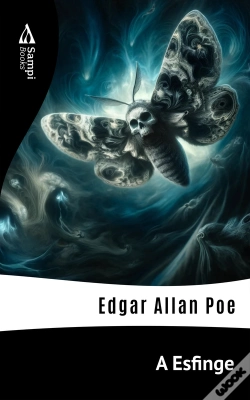
A Esfinge eBook
language: brazilian portuguese
Publisher:
SAMPI Books, March of 2025 ‧
see product details
0,19€
10% OFF
CARD
Tm1wYVdVUTRSWGRKYWxGSFZFdDZPRWhtUm5ScVJETllaRWRHVDNCTk5YSTRlVm92TTJscFRHZHFhVkJySzFZd05WQlJXVmRGYnpSMmIxTnZNbFZuVEZsb1VVWlphQzkxUVRrM05XcGhVMFpFUzFsUVFubFFLMmxVVVhrM1JVVTFVREFyWWxGV1MyMUZVbWhZVG5CSVYzSTFWWGRCYWpKRVExTmhhRU4wYVhsNFFrbGpiWEF2ZFZJdmRGUk9TblF6WldRM05WaGxNbVpvTUhKMlZsTlhRVlJVWlhKNk4xZHljelZKTXpsM2QxTXlNR1ZzVDBJM1EySlZjWEZLVFdsdmVsUjJaMFI1YlhsVWVuZHllamMxWld4c2RUSXdjbXR5Tm1aRmFHbDJRa2xVUm14WU1YZHZNMDE0VFVOdFIxUXZjSGRsT0RocFJYVmhWSHBxYTAwMmVXdEtaelZ5UzJWbFVucHlTWEJYTldwb1ltczVTVVprWWprMmRuSnRla2g1VTNGUGNuazJlR3ByT1cxMlMwNXhlSEZZTkdSTFRUTjVjbll2WkVFMVkzbGpWRWMyZVdKUlZESjVkR1pKWVVGR1psaEVibTFvZWtONFNuSmhkVmhxZUhsVlJrbHVkR2cyV1hGM09VWndZWEpITnpFeGNtYzFTbVZZYUhsUU5FRklkMDlMYmtKQ1ZHSlhhR3B2Vm5Ka1lVVlBLMWhKZVd0RlFWQXhiMG8yZEdNMFVGaERRM05RWkcxbWVYTTVhM3BvTnpJM2FXSndkMjl2TmpSQlZuUlhRVTVUU0VKUlUzWlFNRTgyZG1kVGVHbENXVGhYVjFkWmJEQllSa2x2YzBWSmNGRTJNbXd5WWxCYWFrcDZkVE5TZUhsc1EwWkpkR0Z4WldJdk9VTjNNV2M0TTNCUWIxRndjR0pqWlcxSlRTOHJOVTQyVEN0U05GTkpWa3RrVWxOYVlXODVXRXNyVDAxdlVHNUxXR1ZtYmxOMGVISldRblEwZW1ZMFVtUkdjbnA0T1ZWcWJsWjVLM1UwZW5GU1RtaGxOR2gyV1ZoaFVEaHFUbGRtUkVWa00wSkhiREJYVmtFeVZGQlFTemw1YjBOa1IwdEhSMWxZUVRSeVZVaGhRM0JDTjJwcmJqWktiVTF4ZVZSTFpXOWlhRXB2V2taQlptMXdibUZSVld4SVIwNHpielJFVFdSMmMzZERNR2xGU1hBMWFuSnpXVTFRYzJJd1IxWnZlamh1T1VwQlRUVm9RWEk0VldKbWVGWXJTSFJPVldaQ1VtTjJjWFp3YVVsT1YxcDNhWE5RVDJ4TVVHRnVkVUpuUFE9PTowOGdiQVFzRnpsdnp2TERVblhPZTlnPT0=
IMMEDIATE AVAILABILITY
Ebook for WOOK READER
SYNOPSIS
Em meio a uma epidemia mortal de cólera, o narrador se retira para o campo, na esperança de escapar dos horrores que se desenrolam na cidade. No entanto, suas tentativas de paz são perturbadas quando ele testemunha uma criatura monstruosa rastejando por uma encosta distante. Tomado pelo terror, ele se esforça para compreender o significado dessa aparição aterrorizante, temendo que ela seja um prenúncio de desgraça.
DETAILS
| Property | Description |
|---|---|
| ISBN: | 9786561336161 |
| Publisher: | SAMPI Books |
| Release Date: | March of 2025 |
| Language: | Brazilian Portuguese |
| Pages: | 6 |
| Format: | eBook |
| File Format and Compatibility: | |
| Categories: |
eBooks in Portuguese
>
Fiction
>
Fiction
|
| EAN: | 9786561336161 |
| Acessibilidade: | Ver características de acessibilidade indicadas pelo editor |
ABOUT THE AUTHOR
Edgar Allan Poe
American writer born on January 19, 1809, in Boston, and died on October 7, 1849. Son of two Baltimore actors, David Poe Junior and Elizabeth Arnold Poe, he was orphaned at only two years old and learned to survive on his own from an early age. He was adopted by a wealthy merchant family from Richmond, from whom he received the surname Allan.
Between 1815 and 1820, the Allan family lived in England and Scotland, where Poe received a traditional education, before returning to Richmond. Poe went to the University of Virginia in 1826, where he studied Greek, Latin, French, Spanish, and Italian, but dropped out eleven months later due to his addiction to gambling and alcohol. He then decided to go to Boston, where in 1827 he published a collection of early poems inspired by Byron. Tamerlane and other poems.
In 1829 he published his first volume of poems, titled Al Aaraaf, Tamerlane and Minor Poems, where the influence of John Milton and Thomas More is noted. He then went to New York, where he published another volume, containing some of his best poems and where the influence of Keats, Shelley, and Coleridge is evident.
In 1835 he debuted as the newspaper's director. Southern Literary MessengerIn Richmond, he would become known as a literary critic, but was dismissed from his position supposedly because of his drinking problem. Alcohol would, in fact, become the stigma that would mark his entire life until his death. That same year he married his thirteen-year-old cousin, Virginia Clemm, and the couple decided to settle in New York, where they did not stay long. It was in Philadelphia that Poe achieved fame through several volumes of poems and stories of mystery and terror. In 1838 he wrote The Narrative of Arthur Gordon Pym (The Narrative of Arthur Gordon Pym), a work of prose in which he combined real facts with his wildest fantasies. In 1839 he became co-director of Gentleman Magazine by Burton in Philadelphia, and in that same year he wrote several works that made him famous for his style of literature linked to the macabre and the supernatural. These are: William Wilson and the Fall of the House of Usher (The Fall of the House of UsherThe first detective story only appeared in 1841, in the magazine. Graham's Ladies and Gentlemen's Magazine, under the name The Murders in the Rue Morgue (The Murders in the Rue Morgue), and in 1843 Poe received his first literary prize with the work The Gold BugIn 1844 he returned to New York and became deputy director of Mirror of New YorkThe poem appeared in the January 29, 1845 edition of this newspaper. The Raven (The Raven), with which Poe reached the peak of his national fame.
Two years later his wife Virginia died, but Poe remarried, to Elmira Royster, in 1849. However, before that, Poe published Eureka, a work that gave rise to much controversy from some critics of the time and which is considered a transcendental dissertation on the universe, highly praised by some and detested by others.
It is back in his father's homeland that Poe begins to show signs that the problem of alcoholism was already, in a way, irreversible. In fact, it was at the origin of the poet's death.
Poe's work is a mirror of his troubled life and his antisocial habits and attitudes, which led him to have a writing style that went beyond conventional standards. If on the one hand he was a victim of certain circumstances that were beyond his control, such as the fact that he was orphaned at the age of two, on the other hand he became a slave to a problem - alcohol - which would aggravate his already unstable, unpredictable and uncontrollable personality.
Edgar Allan Poe. In Infopédia [Online]. Porto: Porto Editora, 2003-2009.
BY THE AUTHOR
-
Histórias Extraordinárias10%BIS5,95€ 10% CARD
-
Todos os Contos - Edgar Allan Poe10%Temas e Debates24,40€ 10% CARDfree shipping